
Last updated November 16, 2026
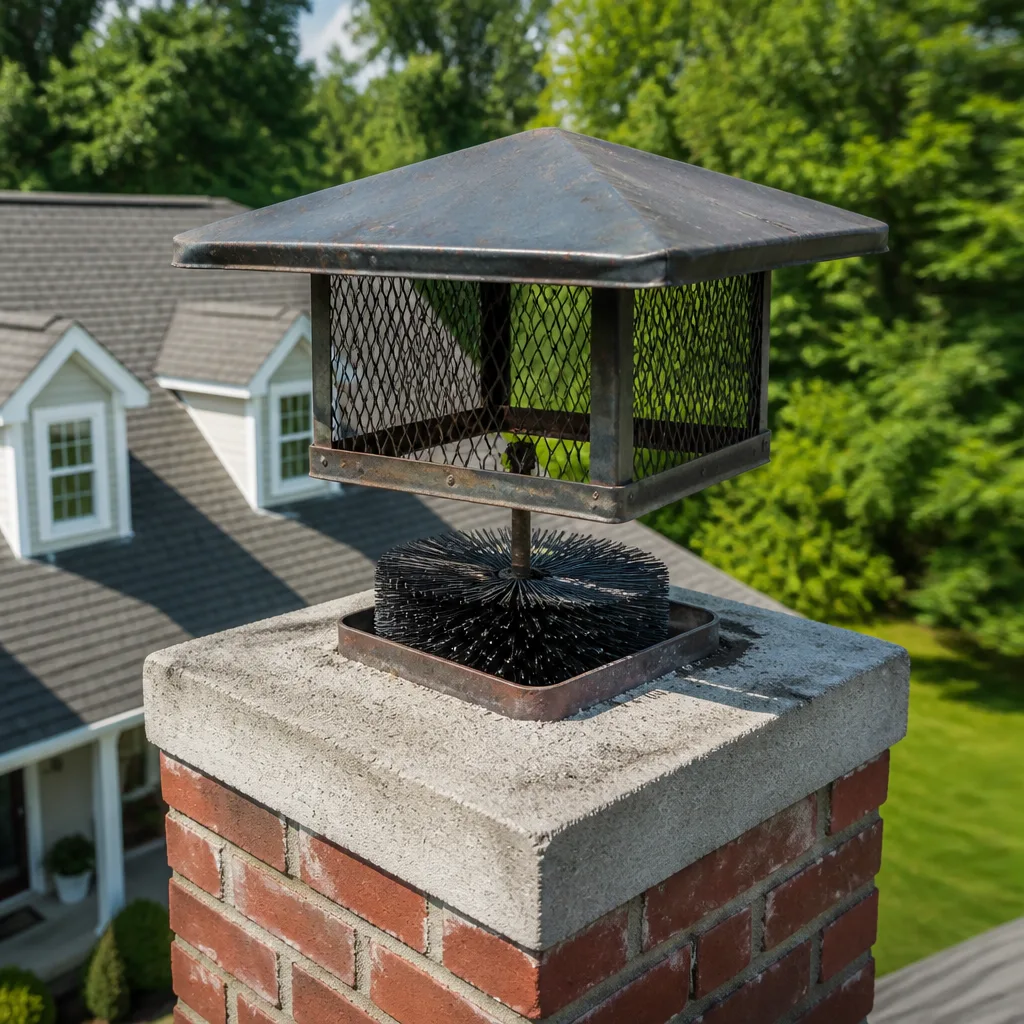 Sweep & inspection
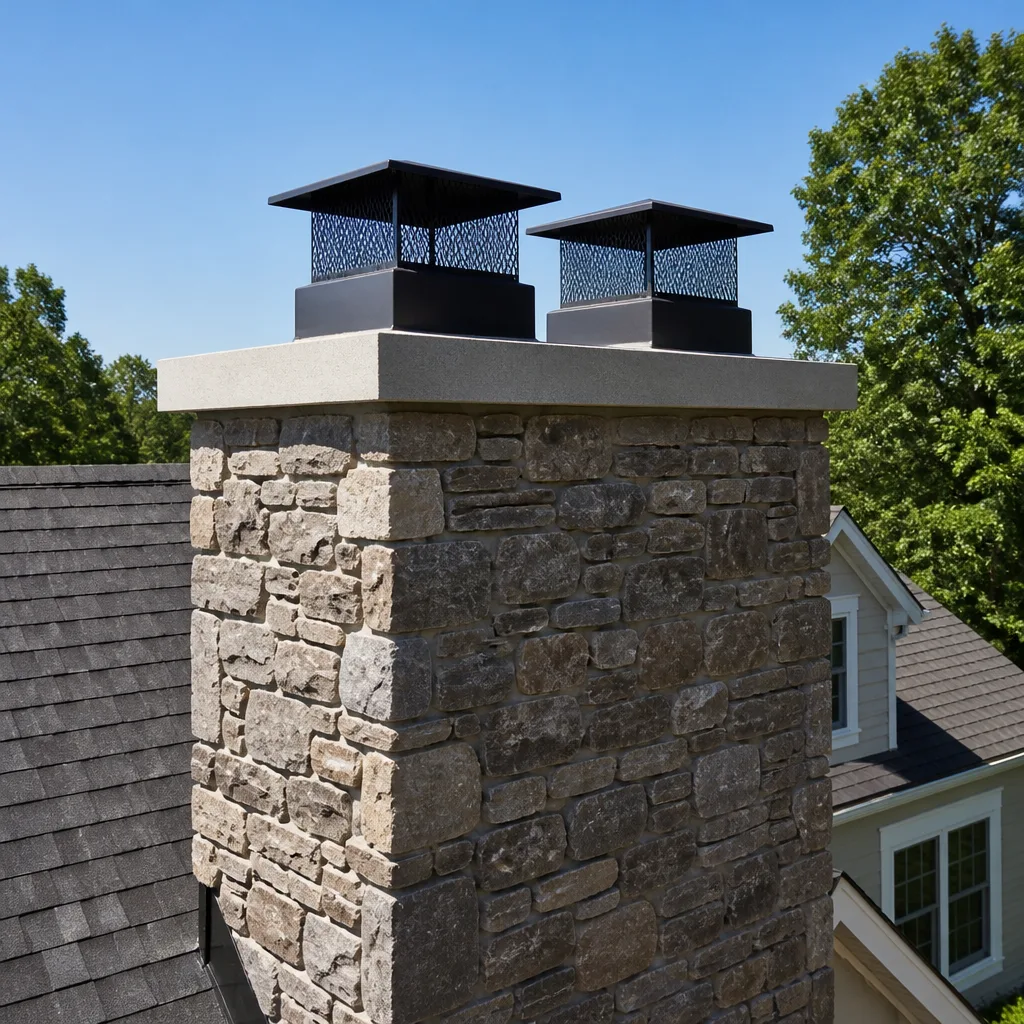 Caps & crowns
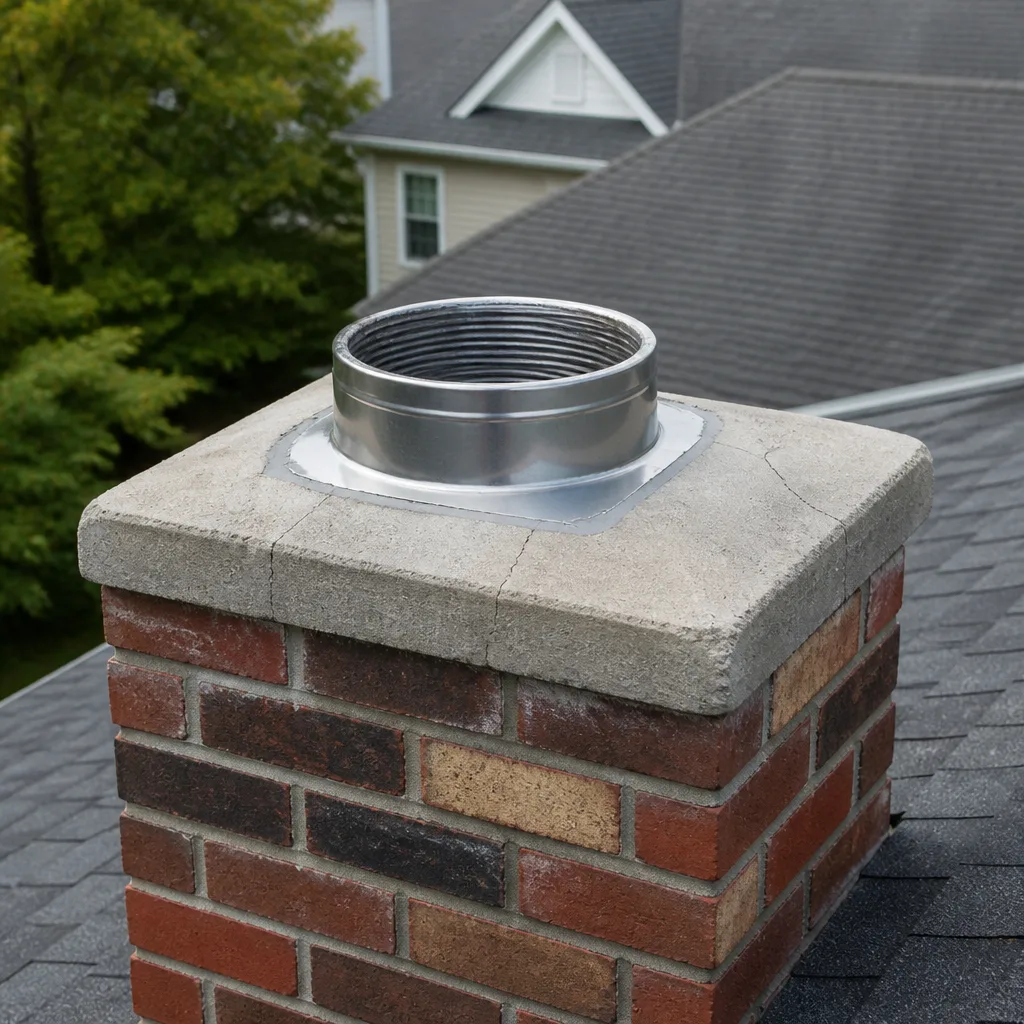 Flue relining
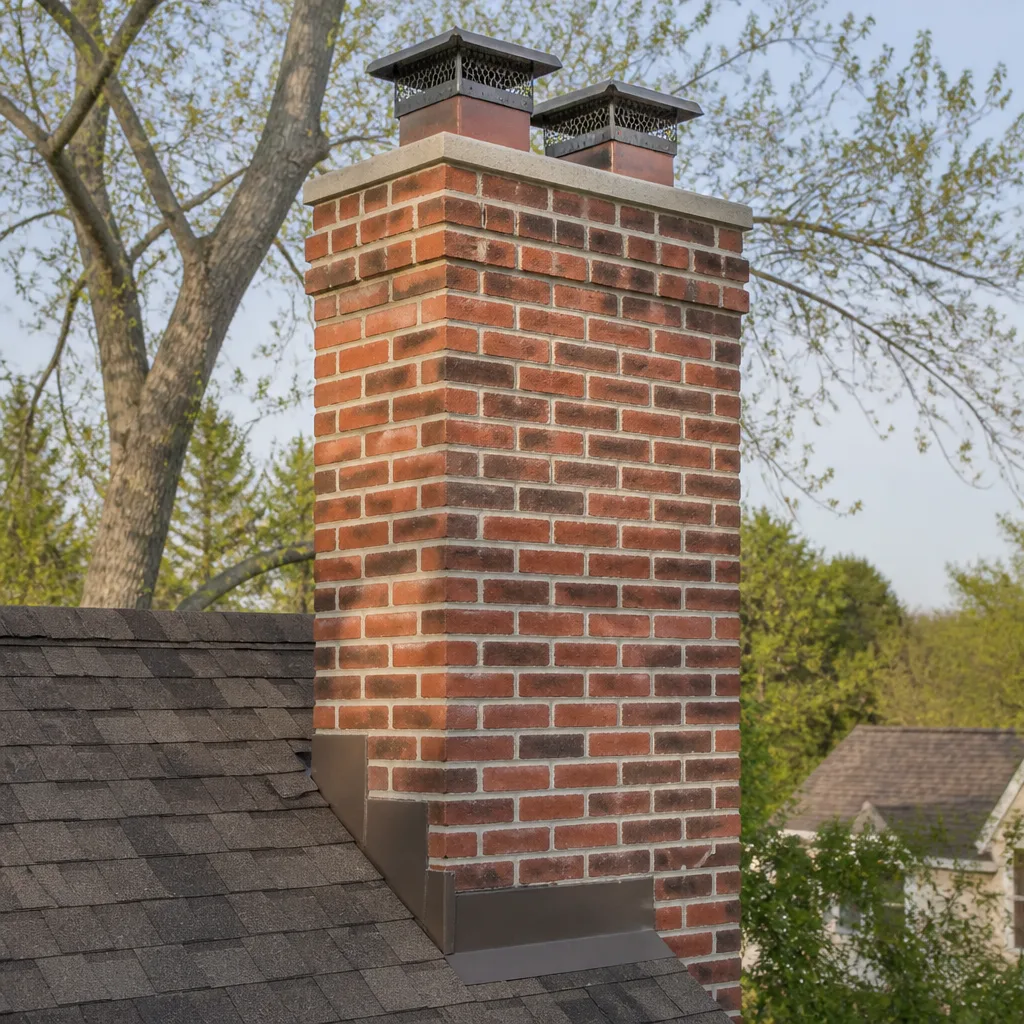 Masonry repair
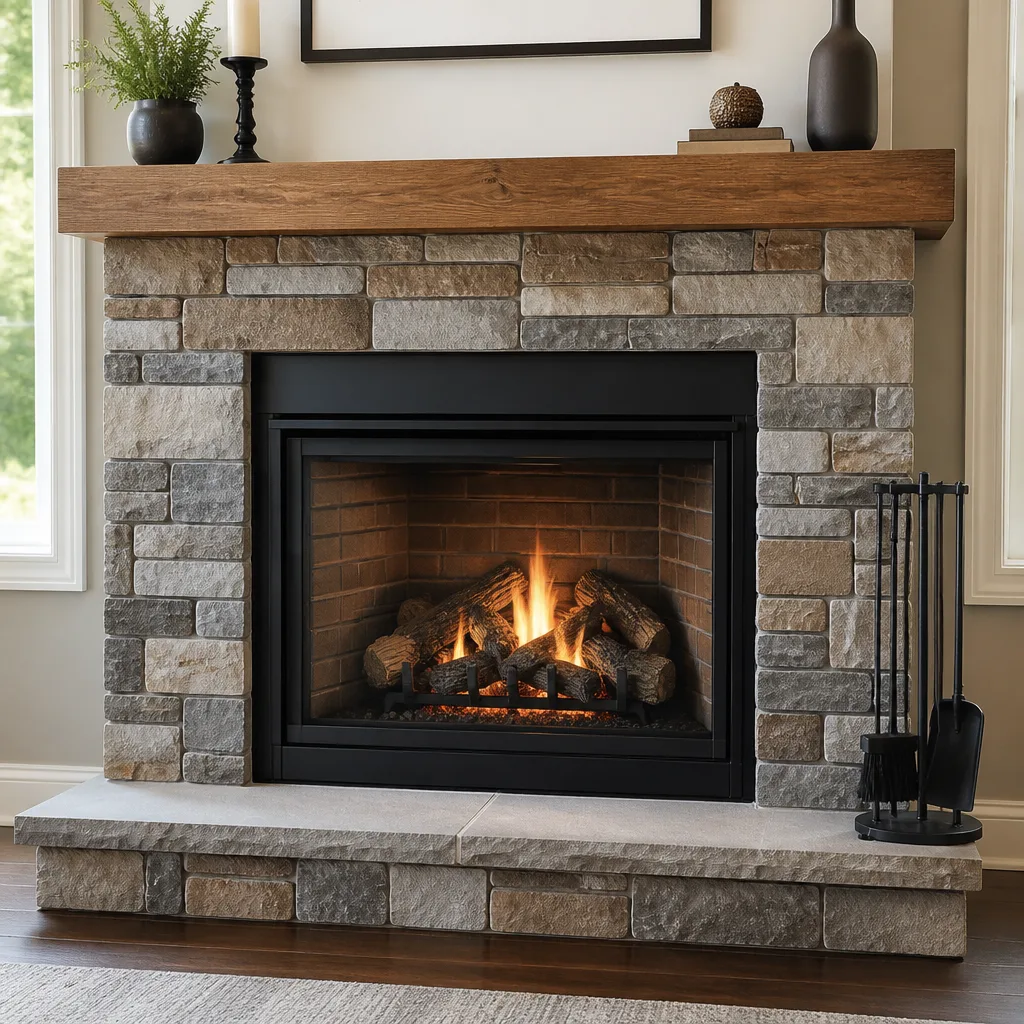 Gas fireplace service
Level 1 sweep and inspection to the NFPA 211 annual standard - flue, crown, cap, and flashing checked and photographed
Chimney sweep logs do not sweep chimneys. They loosen some creosote - which then falls where a brush and vacuum still have to collect it.
Chimney Cleaning Warning Signs: An Everett Homeowner’s Reference Guide
Most homeowners assume a chimney problem announces itself with a roar of flames or a house full of smoke. In practice, the warnings are quieter and earlier. A faint acrid smell in July. A patch of white powder on the firebrick. A streak of rust on the chase that’s been there so long you stopped seeing it. By the time a chimney fire gets loud, the damage is already done and the repair bill is measured in four figures. This guide teaches you to read the signs your own chimney is sending so you can call a sweep at the right moment, not after an emergency. We’ll cover smells, visual cues inside the firebox, draft problems, and what the outside of your chimney tells you from the yard. Everything here applies to wood-burning fireplaces, inserts, and gas appliances in Everett.
Quick Answer
The main chimney cleaning warning signs are a strong campfire or creosote smell inside the house when the fireplace isn’t burning, visible soot or white staining on the firebox walls, smoke rolling into the room on startup, and exterior clues like spalling brick, rust streaks, or crumbling mortar. Any of these means creosote buildup, a draft problem, or moisture intrusion, and all three are worth a professional look before you light another fire. Schedule a sweep and inspection as soon as you notice any one of them.
Styles & brands we work with
- Sweep & inspection
- Caps & crowns
- Flue relining
- Masonry repair
- Gas fireplace service
Table of Contents
- The smell index: what each odor tells you
- Reading your firebox: visual warning signs inside
- Decoding draft problems
- Exterior warning signs you can spot from the yard
- Which signs mean ‘schedule soon’ and which mean ‘stop using the fireplace’
- Why Everett homes see these signs sooner
- Creosote stages and what they mean for your sweep
- Inspection versus sweep: which one your warning sign needs
The Smell Index: What Each Odor Tells You
Your nose is the most sensitive diagnostic tool in the house. Chimney problems communicate through smell long before they’re visible, and the specific odor narrows down the cause. In our experience, homeowners who can name what they smell give us a faster diagnosis when they call.
Here’s what each smell usually points to:
- Campfire or creosote smell with no fire burning: This is the signature of a draft reversal. Air is pushing down the flue instead of up, carrying the smell of older creosote back into the room. In a tightly sealed, energy-efficient home, that downward flow can pull combustion byproducts into living space, including carbon monoxide.
- Acrid, bitter, or sharp chemical smell: Often creosote glazing or a stage-three creosote deposit that has baked onto the flue walls. Acrid smells tend to get worse after a hot fire and can linger for hours.
- Damp, musty, earthy smell: Moisture inside the flue or chimney chase. Water is getting in somewhere, either through a failed crown, a cracked flue tile, or missing flashing. Musty smells after heavy Everett rain are a familiar pattern.
- Burning plastic or rubber smell: Almost always an electrical issue, not a chimney issue. If you smell burning plastic near the fireplace or chimney chase, treat it as a possible electrical problem and stop using the fireplace until it’s checked.
- Sulfur or rotten-egg smell: Could be a gas leak if you have a gas appliance connected, which requires immediate action. Call your gas utility and leave the house. Do not write it off as a fireplace quirk.
Smell alone doesn’t confirm a diagnosis. It narrows the search. A professional inspection tells you what’s actually building up inside the flue and whether it needs a sweeps visit or something more involved. If you don’t already have a chimney sweep lined up, that’s the step to take next.
Reading Your Firebox: Visual Warning Signs Inside
The inside of your firebox and the throat above the damper are where creosote, moisture damage, and combustion problems leave their marks first. Every owner should know how to look. You’re not inspecting the chimney with a flashlight; you’re reading the surface patterns.
Shine a light up at the firebox walls and the smoke chamber area above the damper. Look for:
- White, chalky powder (efflorescence). That’s salt pushed to the surface of the brick from water migrating through it. It means moisture is in the masonry. Look at the roof and the crown first.
- Black, glossy, tar-like deposits. This is stage-three creosote, the glazed kind that ignites at lower temperatures than flaky creosote. If you see this in your firebox, do not light another fire until a sweep has cleaned it.
- Orange-tinted soot or rust-colored streaks. Often a sign of condensation and acidic moisture eating the steel or masonry. In gas appliances, orange staining can also indicate improper combustion.
- Loose or missing mortar in the firebrick joints. The firebrick is what protects the masonry behind it from the firebox heat. Missing mortar means the brickwork is taking direct thermal stress.
- Flakes of black soot on the firebox floor. Fine flaking creosote is normal between sweeps. Big, curled flakes falling off the walls mean it’s time.
- Cracked or broken firebrick. Cracks wider than a hairline need a masonry look. Hairline cracks are normal thermal cycles, but wide gaps let heat reach the chimney structure.
The throat, damper, and smoke shelf are all part of the same system. When you look up there, look for soot buildup on the smoke shelf. If you’re not comfortable with the angle, a professional sweep can read the throat and firebox during a routine cleaning and tell you what they found with a photo document.
Decoding Draft Problems
Draft problems are the most common cause of chimney complaints we hear about in Everett homes, and they’re the most easily misdiagnosed by homeowners. Three distinct draft issues create three different patterns, and each needs a different first step.
Smoke rollout on startup. A puff of smoke when you first light a fire is normal if it stops within about a minute. If it keeps rolling for several minutes or fills the room, the chimney isn’t warmed enough or the flue is partially blocked. Creosote buildup, a bird nest, or a collapsed tile can all do this.
Chronic backdrafting. Smoke won’t go up at all, or the fire dies even though there’s fuel and air. That’s often a pressure problem. Everett’s newer homes are built tight for energy efficiency, and when they don’t have make-up air for combustion, the fireplace competes with the range hood and bath fans for air. The chimney pulls from wherever it can, sometimes down the flue instead of up.
Cold-fireplace odor. The fireplace smells like campfire when nothing is burning, especially on warmer days or in summer. This is the same draft reversal pattern from the smell index. Warm outside air is heavier than cool chimney air, so the flow flips and creosote smells come back down.
Once you know which of these three patterns your fireplace shows, you’ve already narrowed the problem list down significantly. A chimney sweep can confirm which one is happening and whether the fix is a cleaning, an adjustment, or a relining using a product like DuraFlex.
Exterior Warning Signs You Can Spot From the Yard
Walk outside and look up at the chimney from ten or fifteen feet back. The outside of the chimney broadcasts problems the inside can’t, especially in the Pacific Northwest where rain, freeze cycles, and wind-driven moisture work on exterior masonry year after year.
Here’s what to check from the ground:
- Spalling brick faces. Brick flakes or chunks are peeling off. That’s moisture entering the brick and freezing inside it. Each freeze-thaw cycle pops off the outer face.
- White staining on the chase. Efflorescence again, this time on the exterior. Water is migrating through the masonry. It won’t stop on its own and usually starts at the crown.
- Rust streaks on the chase or flashing. Stainless rain caps and flashing can rust over time, and rust streaks are a good indicator of failed flashing that’s been sending water into the chimney structure. Rust on the flue pipes themselves is more serious.
- Missing or crumbling mortar joints. Run your eye up the corners. Mortar that’s recessed, cracked, or missing means the brickwork is losing its weatherproofing. Repointing is usually straightforward if it’s caught early.
- Tilted or cracked chimney crown. The crown is the concrete cap at the top. Cracks let water straight into the flue structure, which is how many interior moisture problems start.
- Missing or damaged cap and screen. No cap means rain, birds, and squirrels have direct access to the flue. A cap is one of the cheapest fixes on the list and the most effective at preventing water intrusion.
- Staining or algae growth on the chimney face. Dark green or black streaks near the chase corners often mean water is pooling where it shouldn’t. Moss on brickwork is a sign of persistent moisture.
Exterior checks aren’t a substitute for an inspection, but they’re useful. When a homeowner calls us and can describe the exterior in plain terms, the estimate visit is faster and the recommendation is more precise. Weatherproofing products from Gelco and Famco are part of how we seal a chimney that’s shown exterior signs. For the full exterior picture, it’s worth reading our chimney repair page.
Which Signs Mean ‘Schedule Soon’ and Which Mean ‘Stop Using the Fireplace’
Not every warning sign is an emergency, but not every sign can wait either. Here’s a clear framework for reading severity.
Schedule soon (call within the next couple of weeks):
- Light soot or creosote flakes inside the firebox
- Exterior white staining or green algae
- Missing or damaged cap
- Minor mortar erosion
- A cold-fireplace smell that comes and goes
Stop using the fireplace and call first (call before lighting another fire):
- Glossy, tar-like black creosote visible inside the firebox or throat
- Chronic smoke rollout on every fire
- Rust streaks on the flue pipe
- White powder (efflorescence) on firebrick with noticeable deterioration
- Spalling brick faces on the chase
Stop using immediately (call now, and if you smell gas or see flames outside the chimney, call 911):
- Visible chimney fire, or a roaring, popping, or vibrating flue
- Smoke backing into the room on every fire no matter the weather
- Cracked or missing firebrick showing large gaps, or a visible crack running through the masonry
- Carbon monoxide detector going off
- A burning plastic smell near the chimney with no obvious source
One useful rule: warning signs that are cosmetic (staining, missing caps, minor erosion) can wait for a scheduled visit. Warning signs that involve fire risk, CO, or a draft that won’t correct itself are a stop-using-today call. When the sign is somewhere in between, the free estimate lets a technician read the chimney and tell you plainly which side it falls on.
Why Everett Homes See These Signs Sooner
Everett’s climate is hard on chimneys. That’s not a scare tactic, it’s a weather fact. Long, wet winters, wind-driven rain, and freeze cycles on rooftops do more moisture damage to chimney masonry each year than a drier climate does in several. Neighborhoods around the waterfront, in the older pockets of north Everett, and in the tree-heavy areas of south Everett all see the exterior signs on this list recurring faster than inland neighborhoods do.
Two other local factors push toward frequent warning signs:
- Energy-efficient construction. Newer homes in Everett are built tight. That’s good for heating bills and bad for fireplace draft if the home doesn’t have make-up air for combustion. Sealed homes also hold odors and combustion byproducts longer, so the smell index is more amplified here.
- Older housing stock. Many Everett homes have chimneys that were built before current construction methods, and many have gone through multiple remodel cycles. Aftermarket modifications are a common source of misaligned flue tiles and compromised draft.
Homeowners in Everett also have to think about their homeowner’s insurance. National codes and many insurers expect an annual chimney inspection and a sweep at the frequency your usage calls for. Bringing in a specialist for a documented sweep and inspection keeps your coverage questions easy to answer. That’s part of why we treat chimney work as a safety trade and not a value-added service.
Creosote Stages and What They Mean for Your Sweep
Creosote is the residue left behind by wood smoke, and not all creosote is the same. It builds up in three distinct stages, and the stage determines how the cleaning has to happen.
Stage one: soot and flaky creosote. Black, powdery, or lightly flaking deposits. This is normal buildup between sweeps. A standard chimney sweep removes it with brushes and a vacuum system.
Stage two: crusty, brittle creosote. Harder, rougher, and often curving off the flue walls. Stage two responds to standard rotary sweeping in most cases, but the cleanup takes longer and inspection matters more, because stage-two deposits can hide deterioration underneath.
Stage three: glazed, tar-like creosote. This is the dangerous one. Stage three is glossy, baked-on, and ignites at lower temperatures than the lighter stages. It’s the main fuel source for chimney fires. If you or your sweep finds stage-three creosote, the fireplace should be clean before it’s used again. Sweeping may need a more aggressive method, and an inspection should confirm the flue lining is intact.
An Olympia Chimney liner or a DuraFlex liner often comes up as an option when repeated stage-three creosote points to a flue that isn’t drafting or isn’t the right size for the appliance. Full relining goes at the root cause instead of just re-sweeping the same buildup every year. HeatShield is another option we look at when the chimney structure needs restoration rather than simple sweeping. To understand how a routine sweep fits into all this, our Chimney Sweep Everett page walks through what a typical visit includes.
Inspection Versus Sweep: Which One Your Warning Sign Needs
A sweep cleans. An inspection evaluates. They’re different services and they catch different problems. Deciding which you need starts with the warning sign you found.
Here’s how we sort it:
- Odor, soot, or flakes only: A standard chimney sweep plus a level-one inspection (visual from the fireplace and from the top) usually covers it. This is the routine annual visit for most homeowners.
- Draft problems, chronic rollout, or smoke on startup: A sweep plus a more detailed inspection, including a camera look at the flue, is the standard approach. Creosote may not be the culprit; the smoke chamber, flue size, or make-up air may be.
- Firebox or exterior damage: A level-two inspection with a camera is the right move. This locates cracks, spalling, and moisture entry so the repair can be scoped correctly.
- Recent chimney fire or suspected stage-three creosote: Level-two inspection before the fireplace is used again. The flue lining must be confirmed intact.
When we visit, we do the sweep and inspection together so you don’t have to schedule twice. Our technicians have up to 15 years of experience, and we bring the right tools for both jobs in one call. The point is to give you a clear, photo-documented picture of what’s actually going on in the flue, not a list of suggested add-ons. If you haven’t had a professional look at your chimney in a while, our chimney sweep service is the standard starting point for most homes in Everett.
Common Mistakes to Avoid
- Assuming no smell means no problem. Creosote can accumulate for years before it gives off an odor. If you haven’t had a sweep in a while, the lack of smell tells you nothing.
- Burning wet or green wood. Wet wood smolders, and smoldering wood is what creates the most creosote. In Everett’s wet climate, wood that isn’t stored covered and off the ground stays damp long after you’d think it was dry.
- Burning paper, cardboard, or trash. Those flaming scraps send burning material up the flue and ignite creosote deposits. It’s one of the most common causes of chimney fires we see, and it’s completely avoidable.
- Ignoring draft problems because “it’s always done that.” Chronic backdrafting in a sealed home is a CO risk, not just a nuisance. Get it diagnosed.
- Waiting for the annual inspection until after a warning sign. A regular inspection catches liner and moisture problems while they’re cheap. Waiting turns a sweep into a repair.
- Calling a general handyman for chimney work. Chimney repair and relining require specific training and materials. We use professional-grade products from brands like HeatShield, DuraFlex, and Copperfield because the materials behind a repair matter as much as the labor.
- Trusting a sweep that doesn’t show evidence. If a technician tells you the liner is failing but won’t show you the camera footage or photo record, get a second look. You should see the evidence before you approve the work.
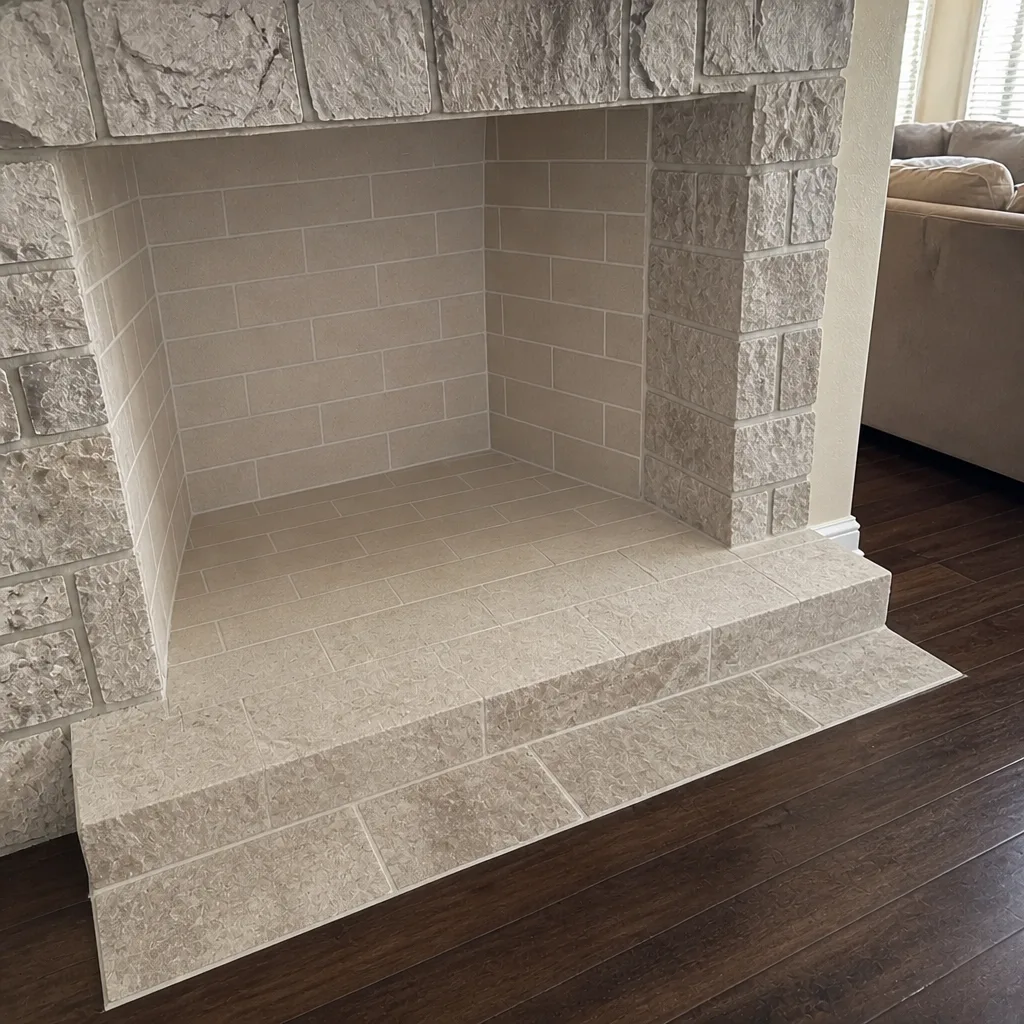
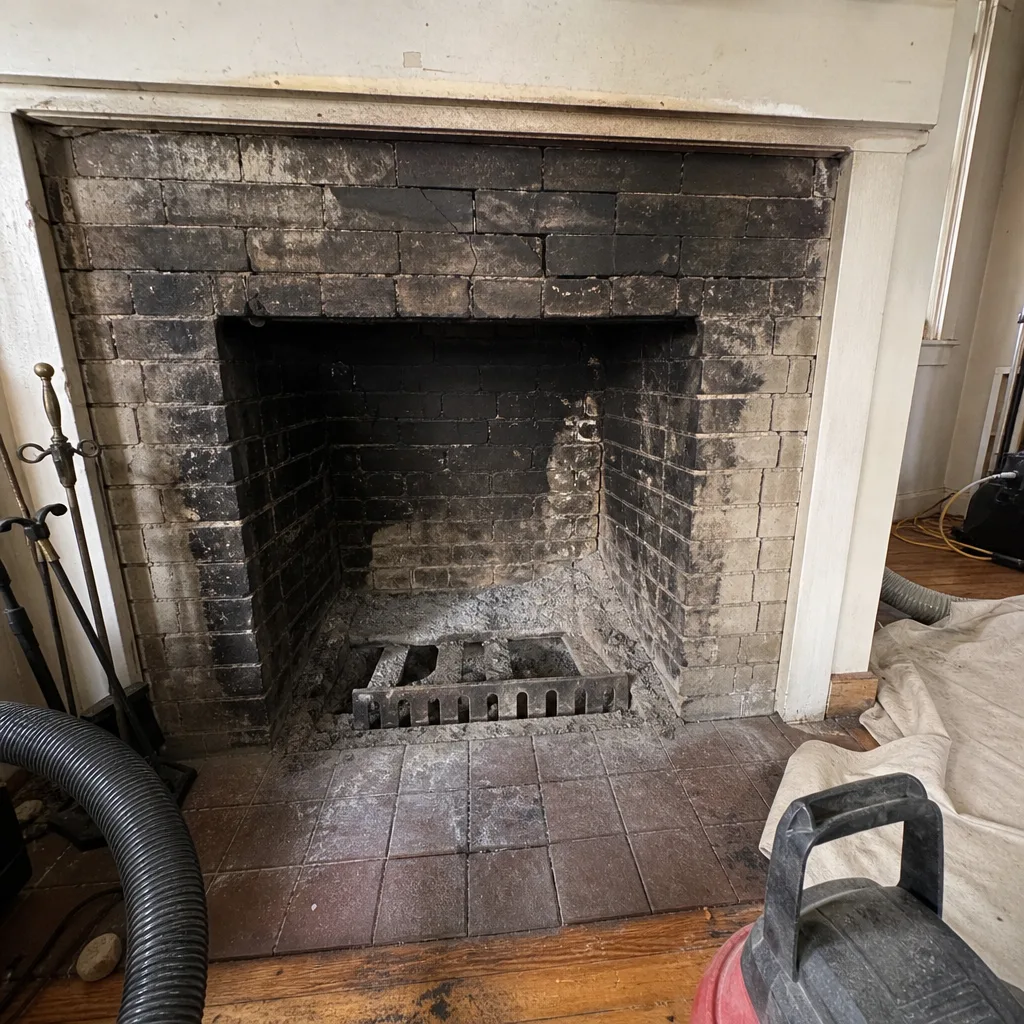
See the difference
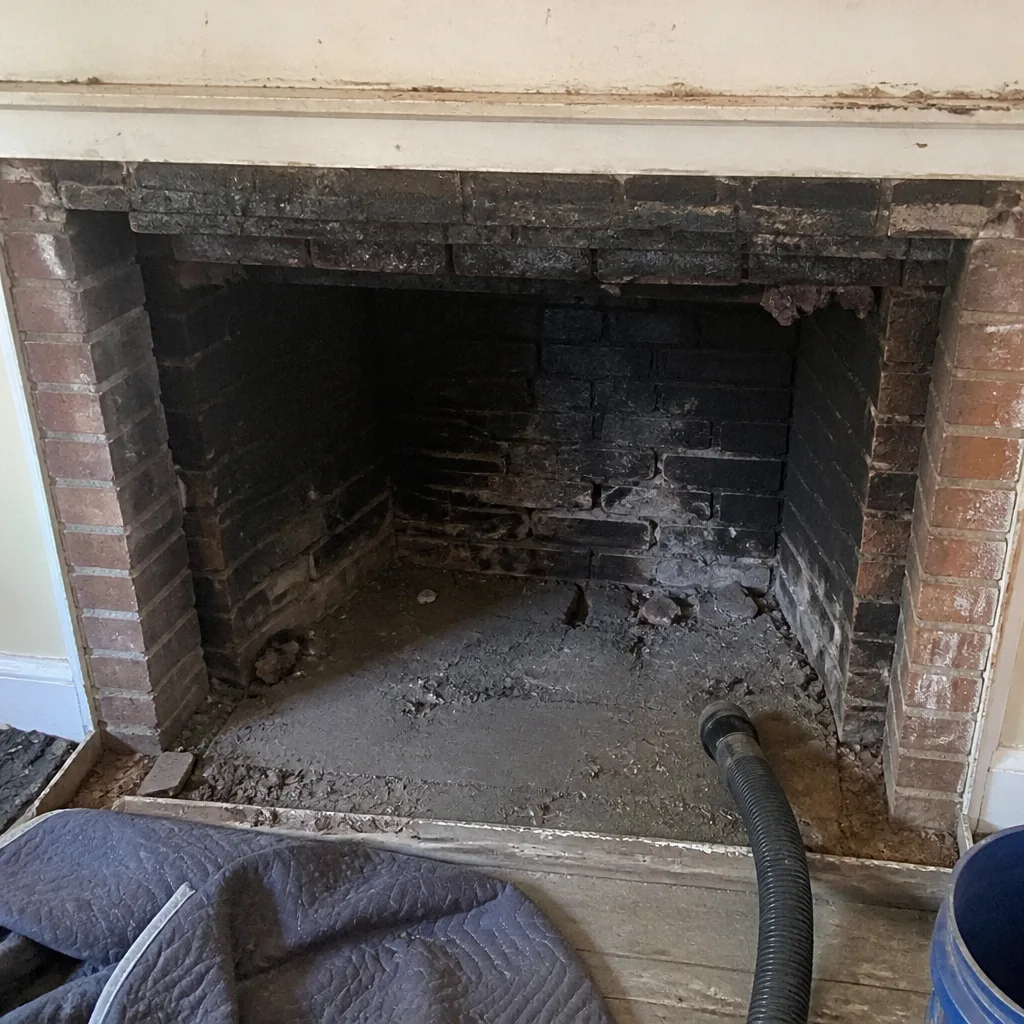 Before
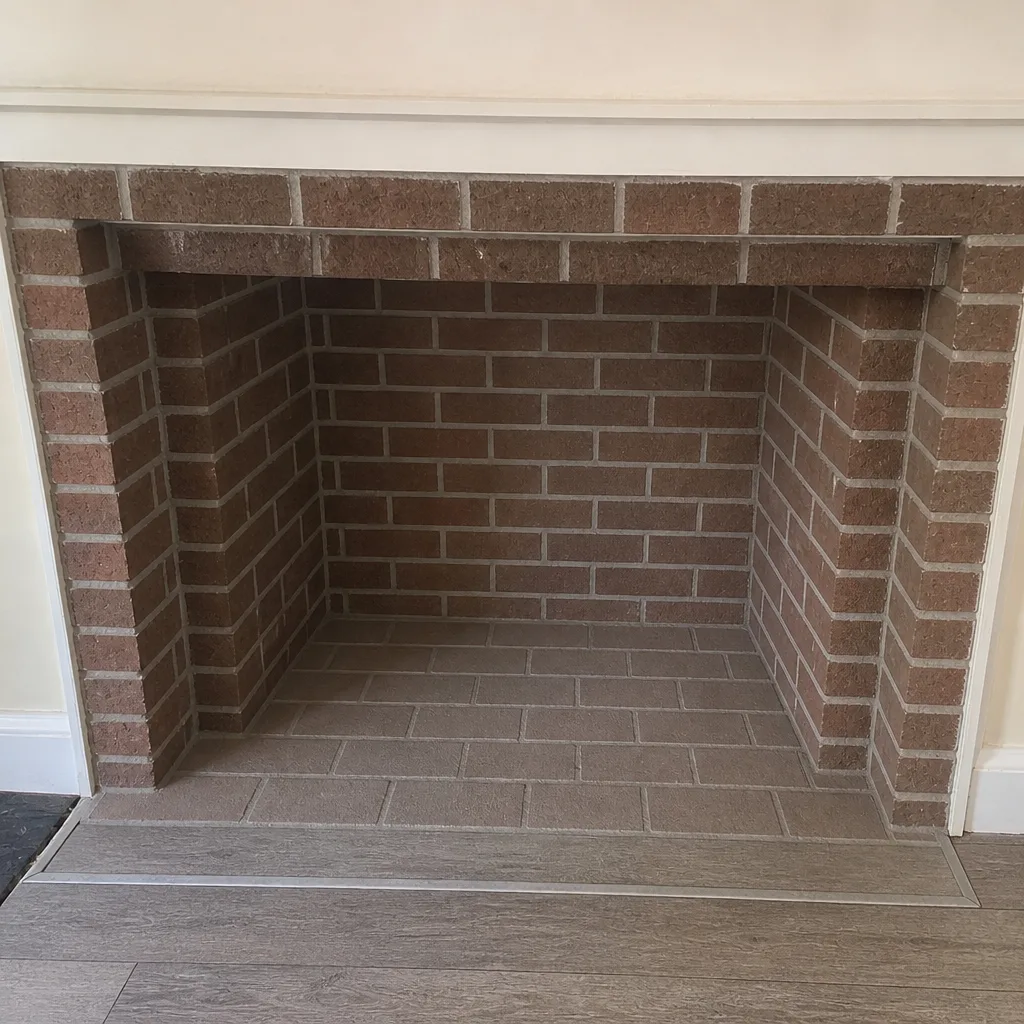 After
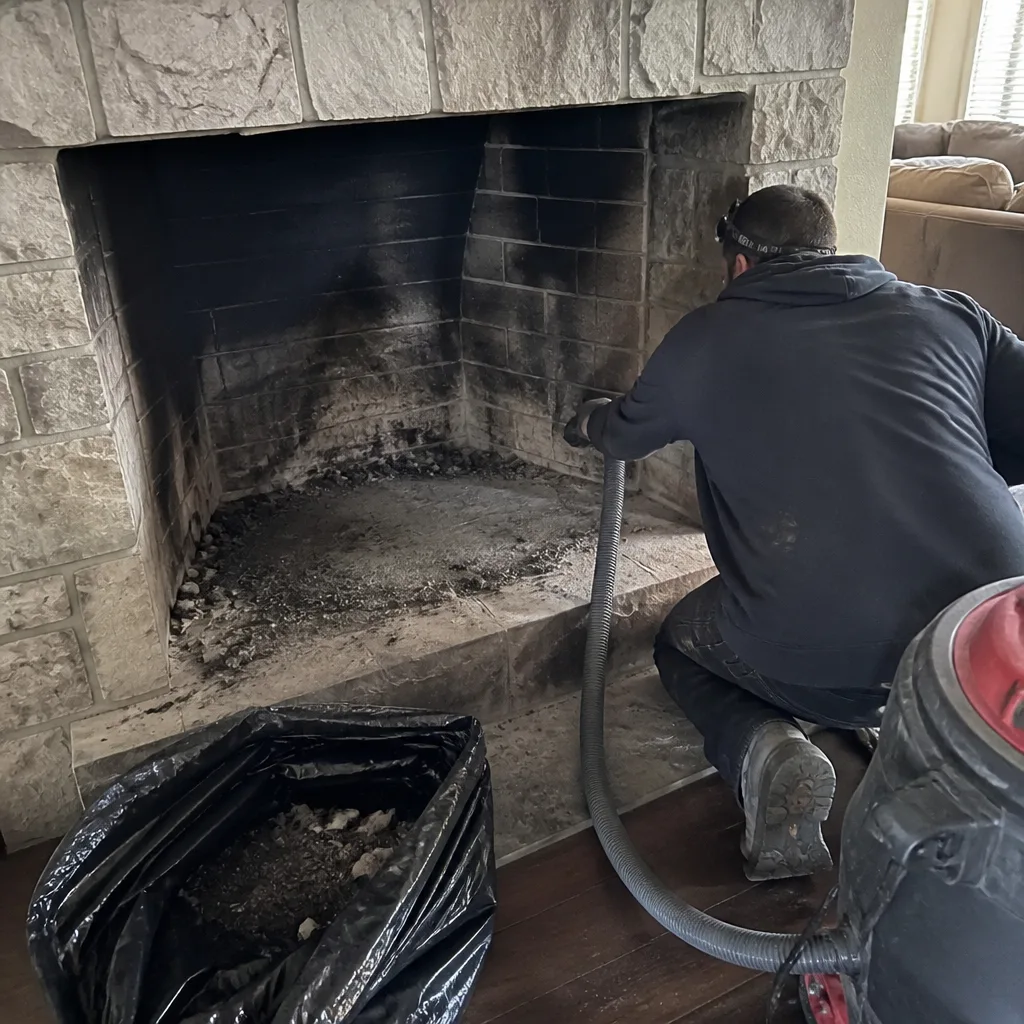 Before
 After
 Before
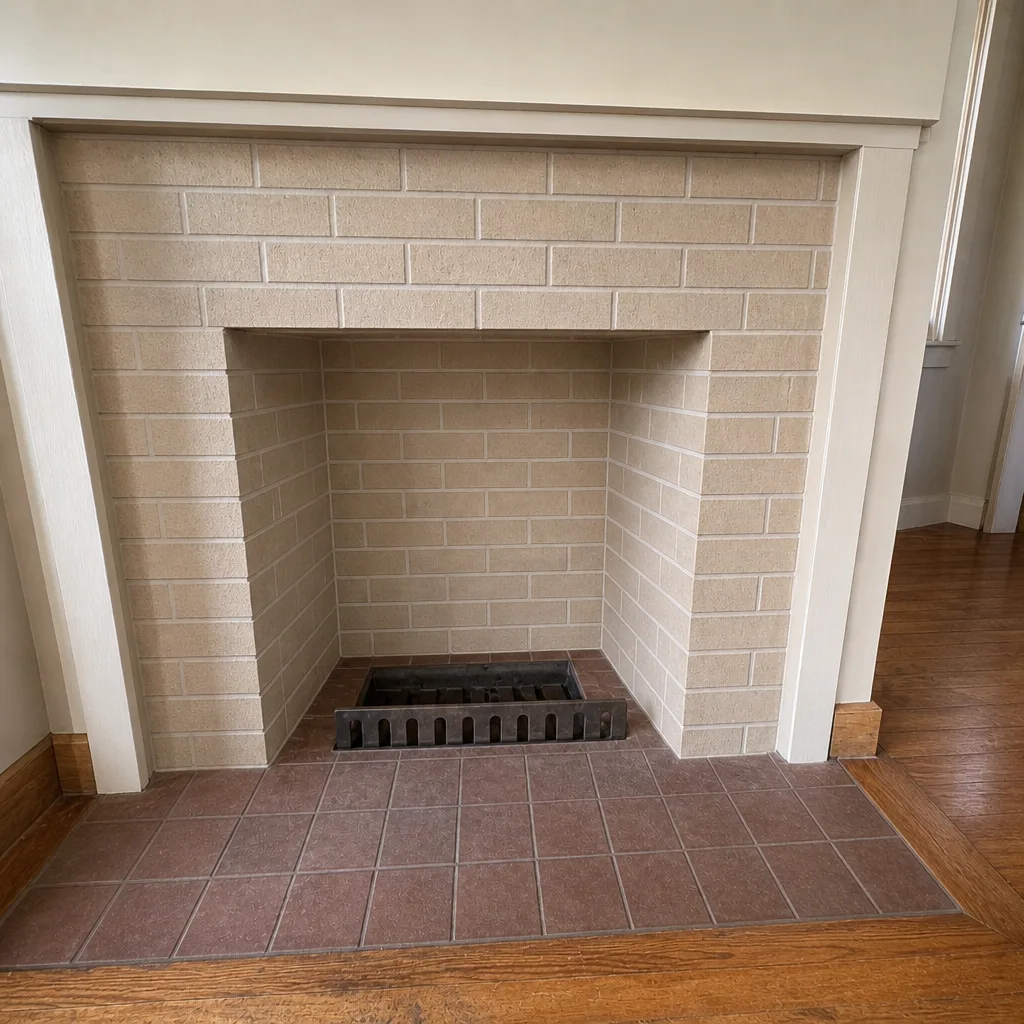 After
When to Call a Professional
Call a professional if you smell a campfire odor inside the house when nothing is burning, if smoke rolls into the room on startup, or if you see stage-three creosote, cracked firebrick, spalling brick, or rust streaks on the flue. Call sooner if you’ve had a chimney fire, if your CO detector has triggered, or if the chimney is showing instability. Any of the “stop using” signs on this page means the fireplace stays off until a specialist has looked at it. Our sweeps and inspections are always scheduled with a photo record of what we found so you can see the evidence for yourself before approving any repair. Chimney Sweep Everett offers free estimates in Everett, and we can be reached at (888) 545-1163. We answer 24/7. Fast dispatch from 7am to 7pm, Sunday through Friday.
Frequently Asked Questions
The clearest sign is visible soot or creosote buildup inside the firebox, or a strong campfire smell inside the house when no fire is burning. A sweep is also due if you’ve burned more than a cord of wood since the last cleaning, or if it’s been about a year since your last inspection. Smoking on startup and flakes of creosote falling into the firebox are two more indicators. If more than one of those applies, don’t wait. Call (888) 545-1163 and we’ll set up a sweep and inspection together.
It means air is flowing down the flue instead of up, and it’s carrying the smell of older creosote deposits back into the room. On warmer days or during summer, the chimney’s cool air is heavier than the room air, so the draft reverses. In Everett’s sealed, energy-efficient homes, this can also mean combustion byproducts are finding their way inside. It’s a real warning sign, not just a nuisance, and it’s worth checking the flue is clear before you light another fire. Call us for an inspection and we’ll tell you what’s driving it.
Not until an inspection confirms what’s causing it. White staining (efflorescence) means water is migrating through the masonry, and using the fireplace while it’s wet drives steam into the brick and accelerates the damage. The fireplace can often be returned to service after weatherproofing and repairs, but we don’t recommend lighting it while the source of the water is still active. Call us for a free estimate so we can trace where the moisture is coming from.
Moisture intrusion and creosote buildup are the two most common in Everett. Long, wet winters push wind-driven rain against the chimney chase, and any gap in the crown, flashing, or mortar lets water in. On the firebox side, wet wood and infrequent sweeping are the usual paths to creosote accumulation. Draft problems are the third pattern, and they show up in sealed newer homes especially. Any of the three is worth an inspection.
No. Smoke rollout on startup is common with a cold chimney or a partially blocked flue, and it doesn’t automatically mean a fire risk. What does raise the risk is a chimney fire that’s already happened, visible glazed creosote, or a flue that’s been compromised by heat damage. A sweep and inspection will tell you which one you’re dealing with. If your smoke rollout happens on every fire no matter what, call for an inspection and stop using the fireplace until we’ve had a look.
For most homes, an annual inspection and sweep at the frequency your usage calls for is the standard. Homes that burn wood regularly, burn wet wood, or use the fireplace as a primary heat source may need a sweep more often than an annual visit. In Everett’s wet climate, we recommend a quick exterior check from the yard at the same time each year, and a full inspection any time a warning sign from this guide shows up. Call (888) 545-1163 to set up the annual visit, and we’ll tell you what the flue actually needs based on what we see, not what’s convenient to sell.
The Bottom Line
Most chimney warning signs are readable from inside your own home, and the earlier you read them, the cheaper the fix. The campfire smell when nothing’s burning, the white powder on the firebrick, the smoke on startup, the rust streak on the chase: those are your chimney telling you something. The severity framework in this guide gives you a clear “schedule soon” versus “stop using” line, and knowing which one you’re on takes the guesswork out of calling. For Everett homeowners, the wet climate means exterior checks matter as much as firebox checks. If you see any of the warning signs in this guide, get it diagnosed by a chimney specialist rather than a generalist. The team at Chimney Sweep Everett handles sweeping, inspection, and repair with professional-grade materials from brands like HeatShield, DuraFlex, Copperfield, and Olympia Chimney. Call (888) 545-1163 for a free estimate. We answer 24/7. Fast dispatch from 7am to 7pm, Sunday through Friday.
Written by the team at Chimney Sweep Everett.