
Last updated November 16, 2026
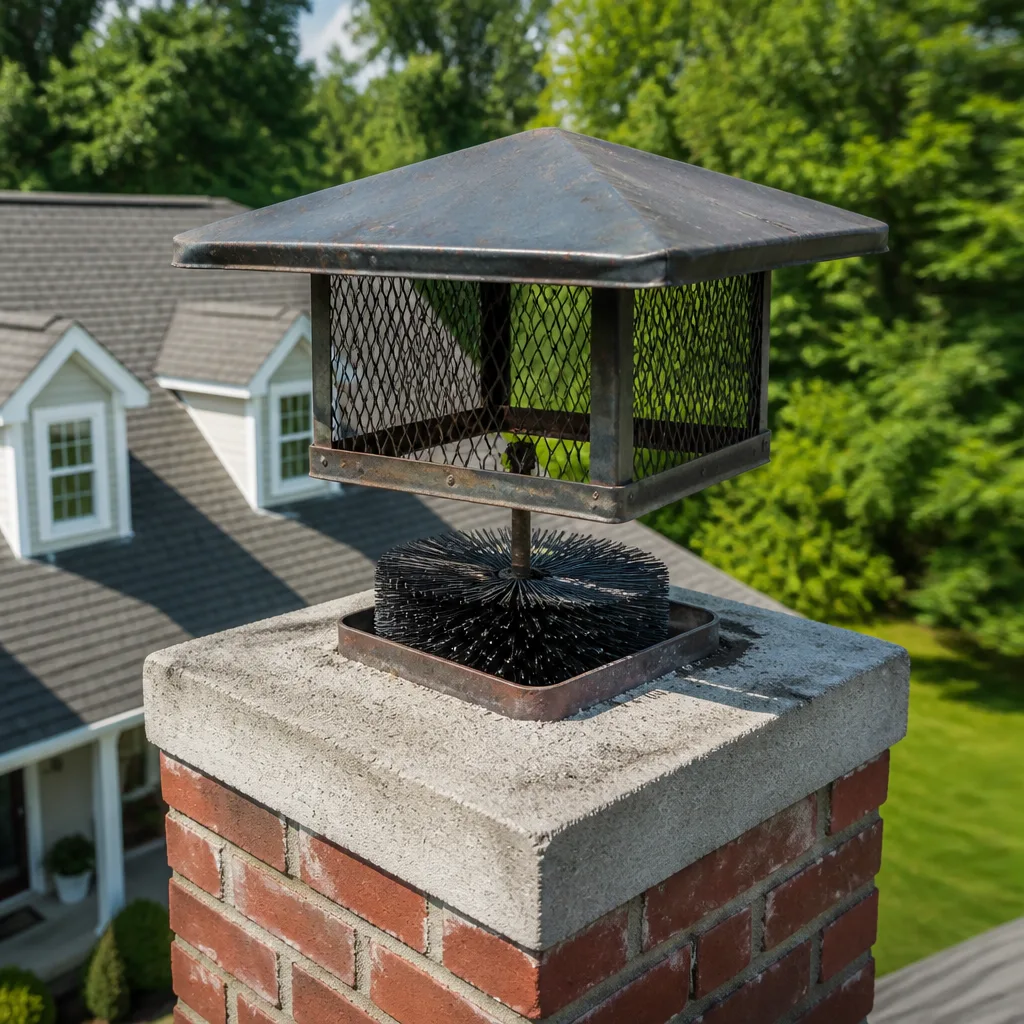 Sweep & inspection
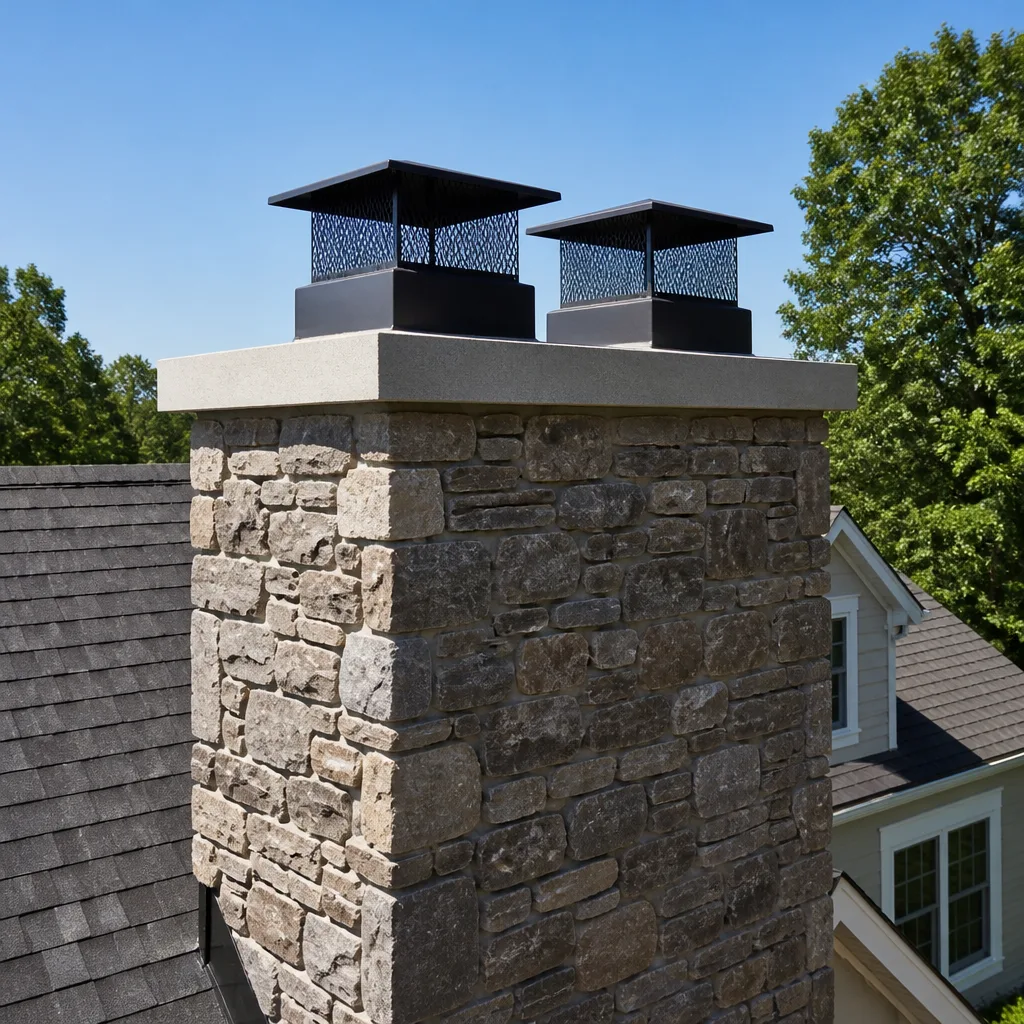 Caps & crowns
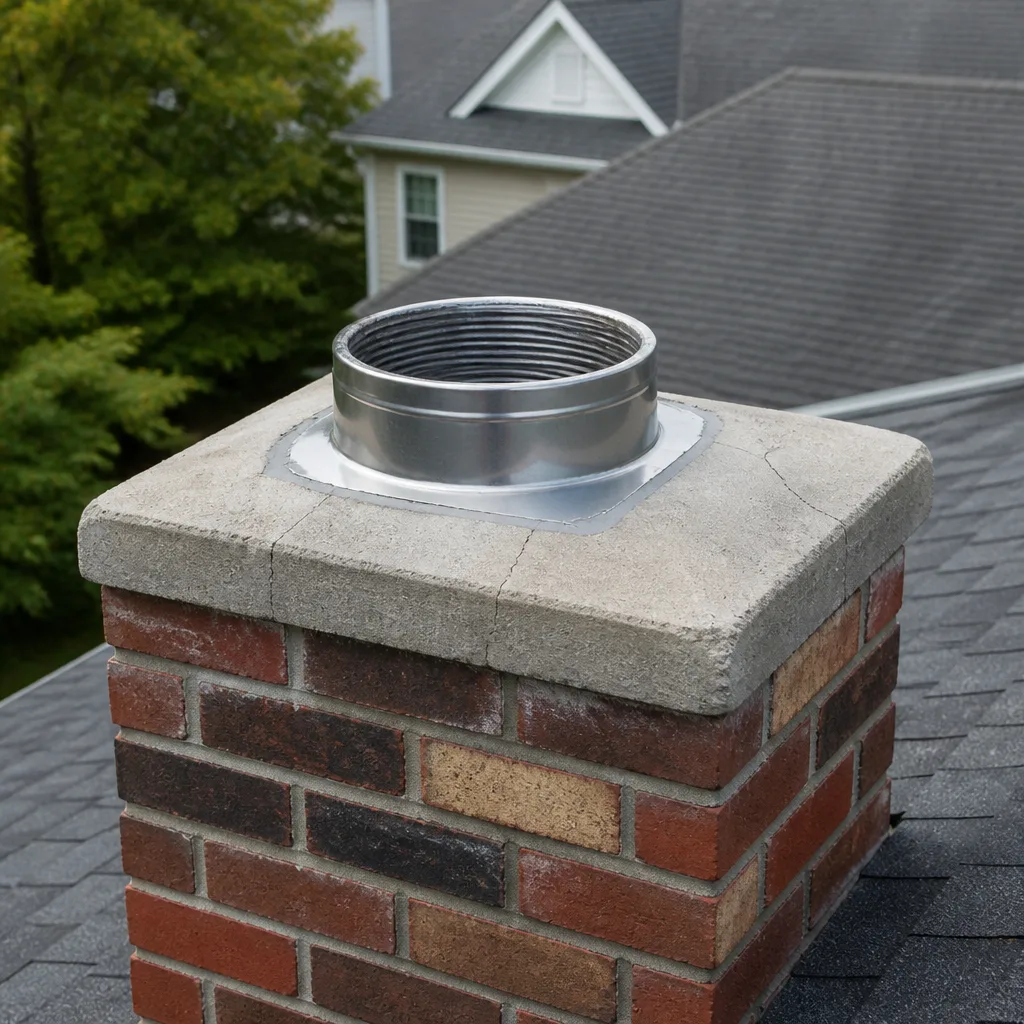 Flue relining
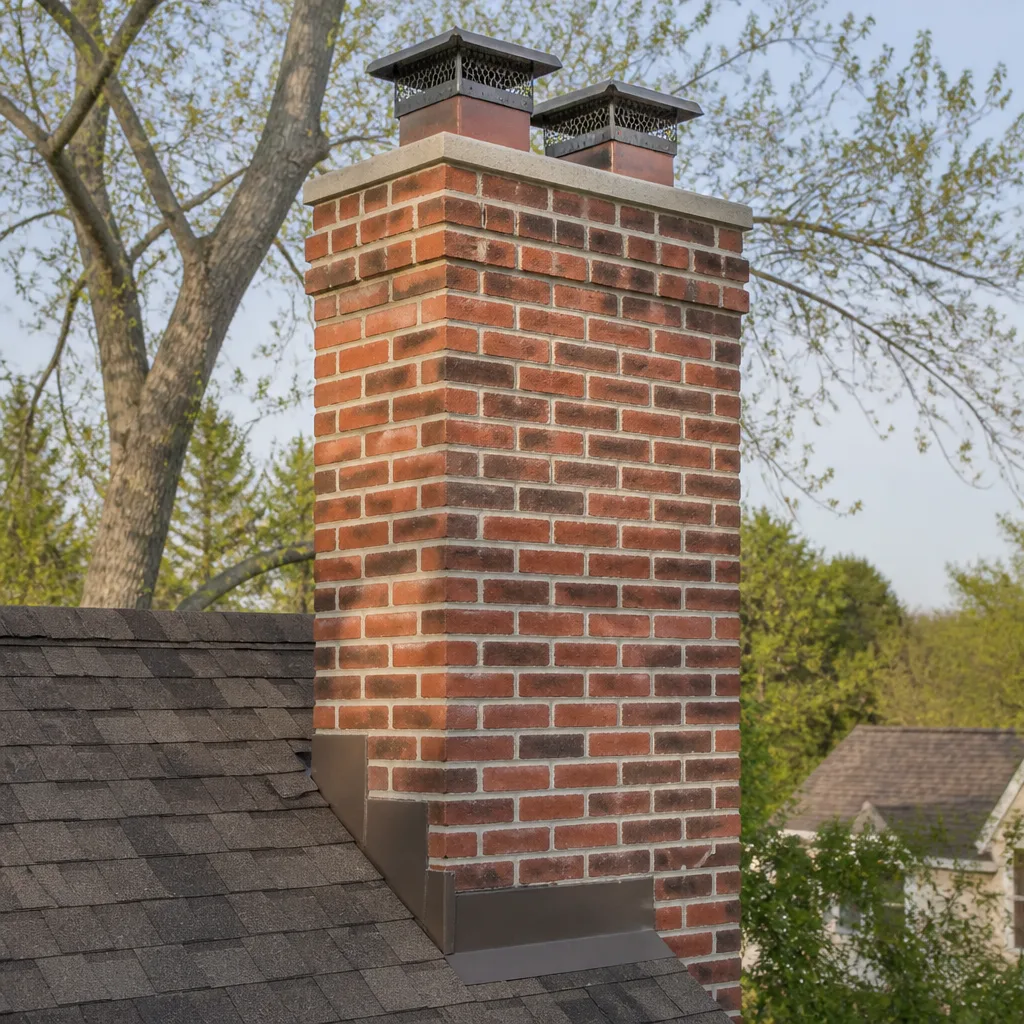 Masonry repair
 Gas fireplace service
Level 1 sweep and inspection to the NFPA 211 annual standard - flue, crown, cap, and flashing checked and photographed
Chimney sweep logs do not sweep chimneys. They loosen some creosote - which then falls where a brush and vacuum still have to collect it.
Chimney Sweep Maintenance Checklist for Everett Homeowners
Most homeowners think of chimney upkeep as one appointment a year: call someone, get it swept, forget about it. That single sweep matters, but it misses the bigger picture. The chimney is a stack of connected parts, and the cheapest repair you’ll ever make is the one you catch early. The chimney cap is the most neglected item on any maintenance list, yet its failure is what triggers the most cascading damage we see: rotted smoke chambers, cracked flue tiles, and spalled brick that all trace back to water getting in where it shouldn’t. This guide walks you through the five failure points behind the most expensive repairs, what to check in September before your first fire and again in March after the wet season, and the red flags that mean stop using the fireplace until a pro clears it. It’s written for Everett homes and Everett weather.
Quick Answer
A chimney maintenance checklist for an Everett homeowner covers six components (cap, crown, flashing, liner, firebox, damper), two seasonal checkpoints (September before first fire, March after the wet season), and a written maintenance log kept for insurance. A professional chimney sweep and camera inspection once a year handles the parts you can’t safely see. Everything else on the checklist you can observe from the ground and note for your technician.
Styles & brands we work with
- Sweep & inspection
- Caps & crowns
- Flue relining
- Masonry repair
- Gas fireplace service
Table of Contents
- Why Everett Chimneys Need Their Own Checklist
- The Six-Point Maintenance Checklist
- What a Homeowner Can Check vs. What Needs a Pro
- Seasonal Timing for Everett: September and March
- Red Flags: Do Not Use the Fireplace Until Cleared
- How to Keep a Maintenance Log That Satisfies Insurers
- How Often Should an Everett Chimney Be Serviced?
- Common Mistakes to Avoid
Why Everett Chimneys Need Their Own Checklist
Everett sits in the Puget Sound lowlands, and that location shapes everything about how a chimney ages here. The region gets most of its rain between October and April, and a chimney in this climate spends half the year wet and the other half drying out. Water is the slow mover that does the damage. It gets behind the cap, into the crown, around the flashing, down the flue, and into the brick. Each wet season compounds the last, which is why the checklist in this guide repeats the same components twice a year instead of once.
There are two more local wrinkles worth naming. First, our housing stock: much of Everett was built mid-century, and many homes in neighborhoods like Bayside, Riverside, and the older blocks near the waterfront have original brick chimneys that were never built with a modern rain cap or a properly sloped crown. Second, wood smoke: Everett gets cold enough between November and February that wood-burning fireplaces and inserts do real duty, which means real creosote. Creosote is the tar-like residue left when smoke cools, and it comes in three grades, from light soot through glazed, hard deposits. The glazed kind is what chimney fires feed on.
Everett also runs on gas in a lot of homes. Gas appliances don’t build creosote, but they still vent through a flue, and they still produce water vapor as a combustion byproduct. A flue sized for a wood fire is often oversized for a gas appliance, which means the exhaust cools before it exits and condenses inside the chimney. That condensation eats liners and rusts dampers. Gas chimneys need maintenance too, just a different kind.
Between the wet climate, the older brick stock, and the mixed wood-and-gas inventory, a generic national checklist doesn’t serve an Everett home well. What follows is built for our weather, our housing, and our fire season.
The Six-Point Maintenance Checklist
Here’s the checklist in order, with what to look for at each item. Do these in September and again in March. The camera work in the liner and firebox items is where a professional comes in, and if you’d like the annual sweep that anchors the whole list, our Chimney Sweep Everett page covers how it’s booked and what’s included.
- Chimney cap. This is the metal or masonry top piece that keeps rain, animals, and debris out of the flue. Check the mesh sides for holes and rust, confirm it’s still sitting level and attached, and look for gaps between the cap and the flue opening. A missing or failed cap is the number-one cause of water damage in the smoke chamber and liner. This is the item that pays for itself faster than any other on the list.
- Crown. The crown is the sloped concrete or mortar shelf at the top of the chimney that sheds water away from the flue. Look for visible cracks, chunks missing at the edge, plant growth, or a crown that’s flat and puddling. A cracked crown lets water run in around the flue tile, and it cracks more with every freeze. Left alone, it’s the beginning of the spalled brick and rotted smoke chamber chain.
- Flashing. The metal seal where the chimney passes through the roof. From the ground, use binoculars and check for lifting or rusted metal, gaps, or a bead of sealant that’s cracked and peeling. Flashing failures let water into the attic and roof deck, and they show up indoors as ceiling stains near the chimney, well before anything is visible on the roof.
- Liner. The flue liner is the pipe or clay tile lining inside the chimney that carries exhaust up and out. From the ground you can see the top of the flue tile at the cap: check for cracked, missing, or flaking tile. The rest of the liner needs a professional camera inspection. Cracks, gaps between tile sections, and deteriorated mortar joints let hot gases and creosote get between the liner and the surrounding brick. This is a safety item, not a cosmetic one.
- Firebox. The firebox is the chamber where the fire actually burns. Look inside after the fire is completely cold: check the firebrick panels and the mortar joints between them for cracks wider than a hairline, loose or broken bricks, and gaps where the firebox meets the face. When a firebox is compromised, heat can reach framing or masonry it was never meant to touch. A professional camera inspection picks up what a ground-level look can’t.
- Damper. The metal plate inside the flue that opens for a fire and closes when you’re done. Check that it opens fully and seals reasonably well when closed. A damper that won’t close the whole way turns the chimney into a cold-air chute, and in Everett’s wet months, an open or stuck damper lets humid air and rain-fed moisture into the flue.
Six items, one of them (the cap) doing more to prevent repair bills than any other. If you’re going to be disciplined about only part of the list, be disciplined about that one.
What a Homeowner Can Check vs. What Needs a Pro
The line between what you can check and what needs a pro comes down to two things: how high it is, and how deep it is. Anything at roof level or above, and anything inside the flue, belongs to a trained professional with a camera. Do not climb your own roof to inspect a chimney. Roof falls and chimney-top falls are among the most serious injuries in home maintenance, and a wet Everett roof deck is one of the worst places to take that risk. Use binoculars from the yard instead.
Safe to observe from the ground:
- Top of the cap with binoculars: rust, missing mesh, tilt, gaps.
- Crown condition: cracks, missing chunks, plant growth, whether it looks sloped or flat.
- Flashing: lifting metal, cracked sealant, gaps at the roof line.
- Top of the flue tile: cracked, missing, or flaking tile visible at the cap.
- Exterior brick: spalling (flaking faces), efflorescence (white salt-like staining), missing mortar, dark streaks that could be soot or water.
- Interior signs: ceiling or wall stains near the chimney, a smoky smell on damp days, rust or flakes in the firebox, soot falling onto the hearth.
Requires a professional inspection:
- The full length of the liner and the smoke chamber (needs a camera).
- Creosote level inside the flue (needs sweeping and a visual check).
- Firebox and firebrick integrity below the surface line.
- Damper operation under actual load and the flue collar behind it.
- Flashing where it meets the roof surface and under the shingles.
When we inspect, the point is not to sell you work you may not need. When we recommend a chimney repair, we show you the camera evidence and the photo report first, so you can see the crack, the missing mortar, or the failed joint for yourself. If a problem can safely wait a season, we say so. A specialist who only ever finds emergencies isn’t inspecting, they’re pitching.
Seasonal Timing for Everett: September and March
The two touchpoints that matter in Everett are September and March, and they exist for different reasons. September is about getting ready before the burning season starts. March is about assessing what the wet season did.
September: Before the First Fire
The case for a September sweep is simple: the house has been closed up through a wet, humid year, and the first fire of October or November will pull whatever creosote is in the flue through a fresh draft. Fires are easier to start, drafts are cleaner, and if there’s a creosote problem, you find out before the first cold night when everybody in Everett is trying to book a sweep. September is also when our appointment calendars are still open. October, much less. Book the sweep in early September and you’re ahead of the season.
- Book a professional chimney sweep and inspection for the first half of the month.
- Ground-level binoculars check on cap, crown, and flashing.
- Interior check for stains, soot, or odor from the summer’s humidity.
- Test the damper with the fire cold, both opening and full closing.
- Have any repair the inspection flagged done now, not in November.
March: After the Wet Season
March is the counterpart. April through October in Everett is our dryer stretch, but by March the chimney has absorbed a winter’s worth of rain and produced a winter’s worth of smoke. This is the time to look for what the season left behind: new cracks in the crown, fresh spalling on exterior brick, efflorescence on the outside of the stack, soot streaks around the chimney cap, rust inside the firebox, or lifting flashing. If repairs get caught in March, they can be done during the dry months, which is the right season for exterior work on brick and mortar. If they wait until October, they get done in the rain or not at all.
By mid-March in Everett, this is also the point where a homeowner notices interior clues: a smoky smell on rainy days, a persistent moisture smell in a room with the chimney on an exterior wall, soot dusting on the hearth. Any of those mean it’s time to call.
Red Flags: Do Not Use the Fireplace Until Cleared
Most chimney advice is conditional. This section is not. If you see any of the following, stop using the fireplace now, keep the damper closed, and don’t light another fire until a professional inspector clears the system. There’s no “probably fine” on this list.
- You can see a crack, gap, chunk missing, or crumbling mortar in the flue tile as far as you can see it, or through the damper. The liner is the safety barrier. A compromised liner lets fire and carbon monoxide reach the structure.
- The firebox has cracks wider than a hairline, loose bricks, or missing mortar between the firebrick. Heat paths around a broken firebox get to wood framing you can’t see.
- Creosote is visible and looks glazed, shiny, or like tar. Glazed creosote is the stage that feeds a chimney fire. Don’t burn another fire until a sweep clears it.
- There’s soot soiling, a smoky smell, or water inside the firebox, on the smoke chamber, or in the flue. All of these can mean the flue is blocked, cracked, or wet enough that a fire will draft poorly or back up.
- The damper won’t open, or won’t open fully. A fire with a stuck-closed or partly closed damper pushes smoke and carbon monoxide back into the room.
- Flakes of soot or creosote are falling down into the firebox. That’s a sign of heavy buildup above, and it can ignite.
- You’re seeing carbon monoxide symptoms with a fire burning: headaches, dizziness, nausea, drowsiness, or a detector alarm. Get everyone out, call 911, and treat the chimney as suspect until inspected. Carbon monoxide is a real hazard of a compromised flue.
We know “stop using your fireplace” during an Everett cold snap is a big ask. A sweep and camera inspection is fast, and once you’ve got the photo report and a clean flue, you can burn without wondering. Call (888) 545-1163 to book.
How to Keep a Maintenance Log That Satisfies Insurers
Most homeowners who get their chimney swept every year don’t keep records, and then discover, when they file a claim, that the insurer wants documentation. It’s easier than it sounds. A maintenance log for Washington State insurance purposes is just a dated record of what was done, who did it, and what the report showed, plus the original inspection report and photos from each visit.
Here’s a format that works:
- Date and type of service. Sweep, inspection, or repair, and the date it was done.
- Provider. Company name and contact. Keep the invoice or receipt attached.
- Findings. A sentence or two on what the technician found (creosote level, liner condition, crown and cap condition). If they gave you a written camera report, keep it.
- Repairs done. What was repaired, and what materials.
- Recommendations and timeframes. What the technician suggested, and when they said it should be done.
- Photos. Any before/after photos from the inspection, saved with the entry.
Keep the log in one place. A folder in the house and a scanned copy in the cloud works. When you sell an Everett home, a documented maintenance history is a strong selling point in a market where buyers are asking specifically about the condition of older chimneys. When you file a chimney-related claim, it’s the difference between a straightforward review and a contested one. When our technicians do a sweep or inspection, the camera report and photo report come with it, so the documentation is already built into the visit.
How Often Should an Everett Chimney Be Serviced?
Once a year, for most Everett homes that use a wood fireplace regularly or burn through the winter. That’s also the industry standard. Here’s how the timing breaks down by use:
- Wood fireplace used regularly, November through February: annual sweep and inspection, in September if possible.
- Wood fireplace used a few times a year: a professional inspection at least once every two years, and a sweep whenever creosote buildup warrants it.
- Gas fireplace or gas furnace venting through a chimney: an inspection at least annually. Gas flues don’t creosote up, but condensation, rust, and vent condition still matter.
- Any chimney after a chimney fire: an immediate inspection, no matter when the last one was.
- Any chimney with a new-to-you home: an inspection before the first fire, no exceptions. You have no idea what the previous owner’s maintenance record looks like.
The frequency question is mostly a professional judgment call on inspection. If the flue camera shows light soot and a healthy liner, you’ll usually get a “see you next year.” If the report shows cracked tiles or glazed creosote, the next visit comes sooner, and the work behind it is why a proper Everett chimney professional with full repair capability is worth having on the job. We handle sweep, inspection, and repair with one team, so a flag on the camera report doesn’t hand you a referral list to work through.
One more note on frequency: don’t sweep off the schedule and then skip the inspection. The sweep clears the creosote and soot, but the inspection finds the cracked crown and the failing flashing. The two go together.
Common Mistakes to Avoid
- Treating the cap as an optional accessory. A missing or rusted-out cap is the most common beginning of the expensive damage chain in this climate. The cap is the first line of defense against Everett’s rain, and it’s also the cheapest part to replace.
- Climbing the roof to “take a quick look.” We hear this from homeowners every wet season. A wet roof deck in Everett is one of the most slippery surfaces on the property, and a fall is a far bigger problem than a cracked crown. Use binoculars from the ground.
- Waiting for a problem before booking the sweep. A September sweep before the fire season costs a fraction of a repair done in a hurry in November. An annual inspection is not a sales call; it’s how you avoid one.
- Skipping the March check. Once the fireplace is out of season, it’s out of mind. That’s the season when the wet-weather clues are most visible, and when repairs can still be scheduled in dry weather.
- Burning unseasoned wood to save a few dollars. Green or wet wood smokes more, deposits more creosote, and sends more moisture up the flue. In Everett’s damp climate, wood that’s been sitting stacked outside all year is often not dry enough to burn clean.
- Fixing a symptom, not the cause. A spray-on waterproofing over cracked brick, a new can of sealant around the flashing, or a vinyl repair cap over a rusted-out metal cap treats the surface. If the crown is cracked, the liner is failing, or the flashing has lifted under the shingles, the leak continues.
- No maintenance log. A surprising number of insurance questions get answered with “I’m sure it was done, I just don’t have the paperwork.” If a claim comes up, a dated log with the camera report and invoice settles the question.
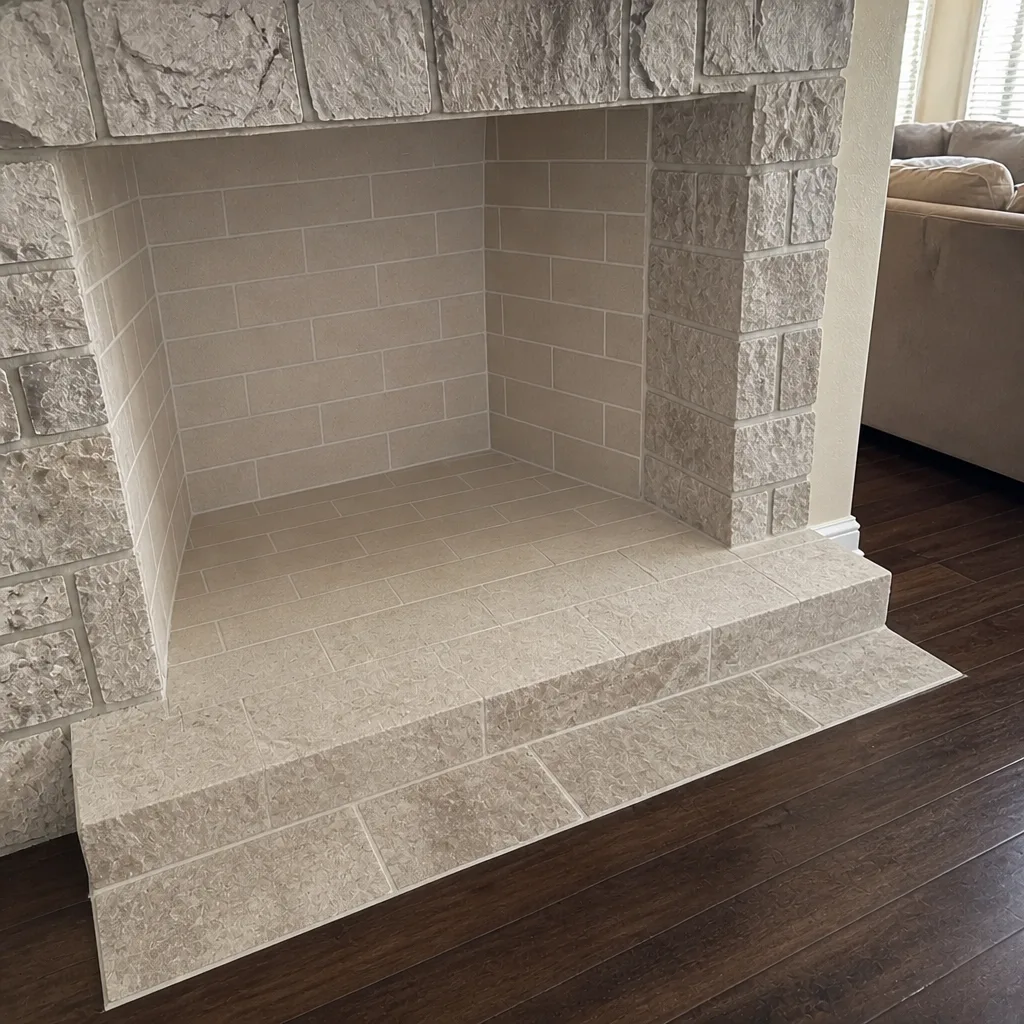
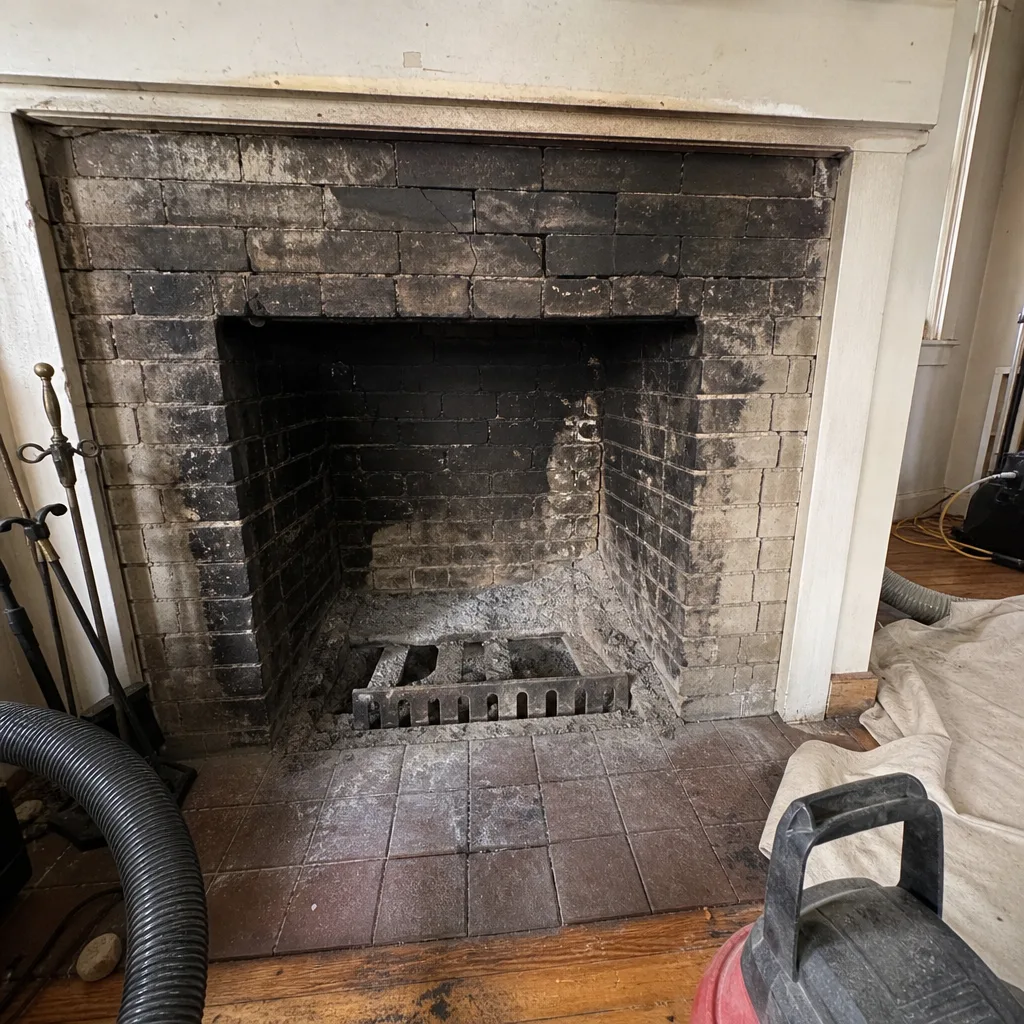
See the difference
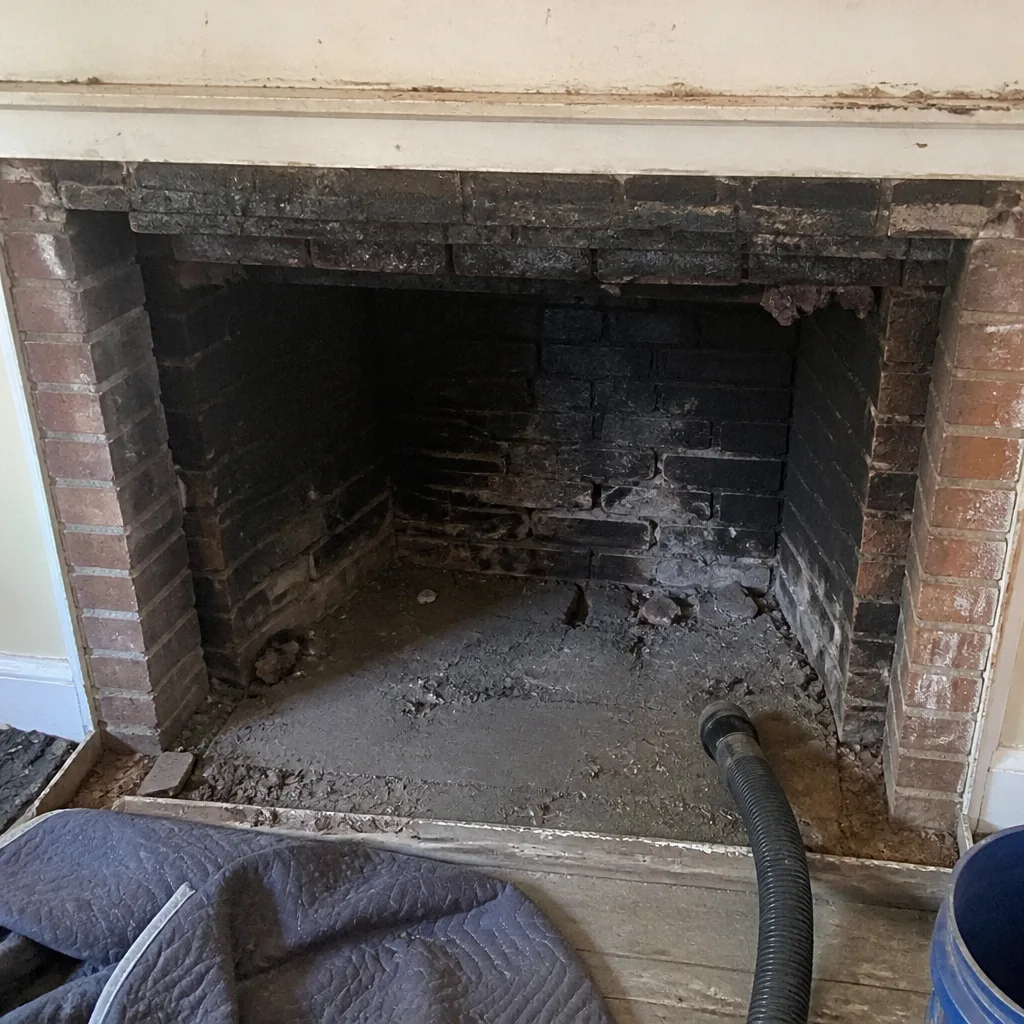 Before
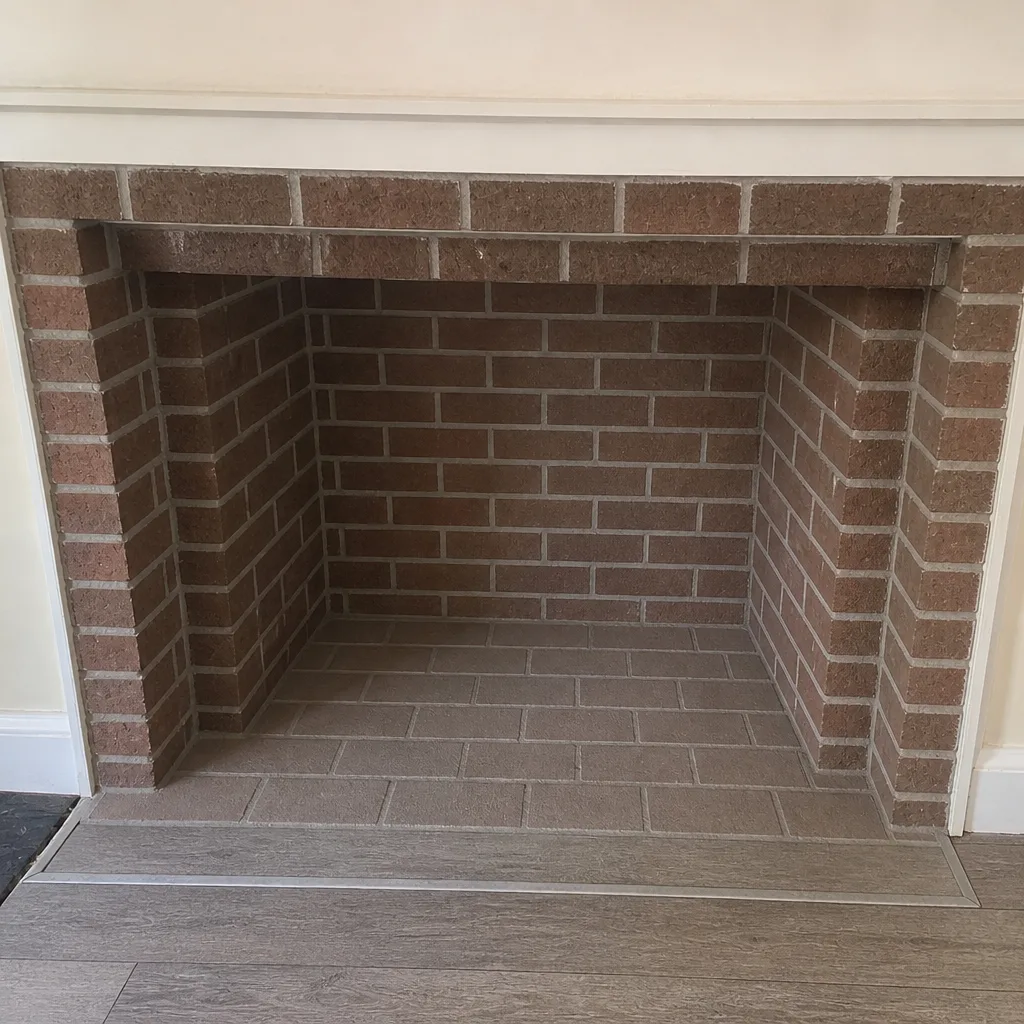 After
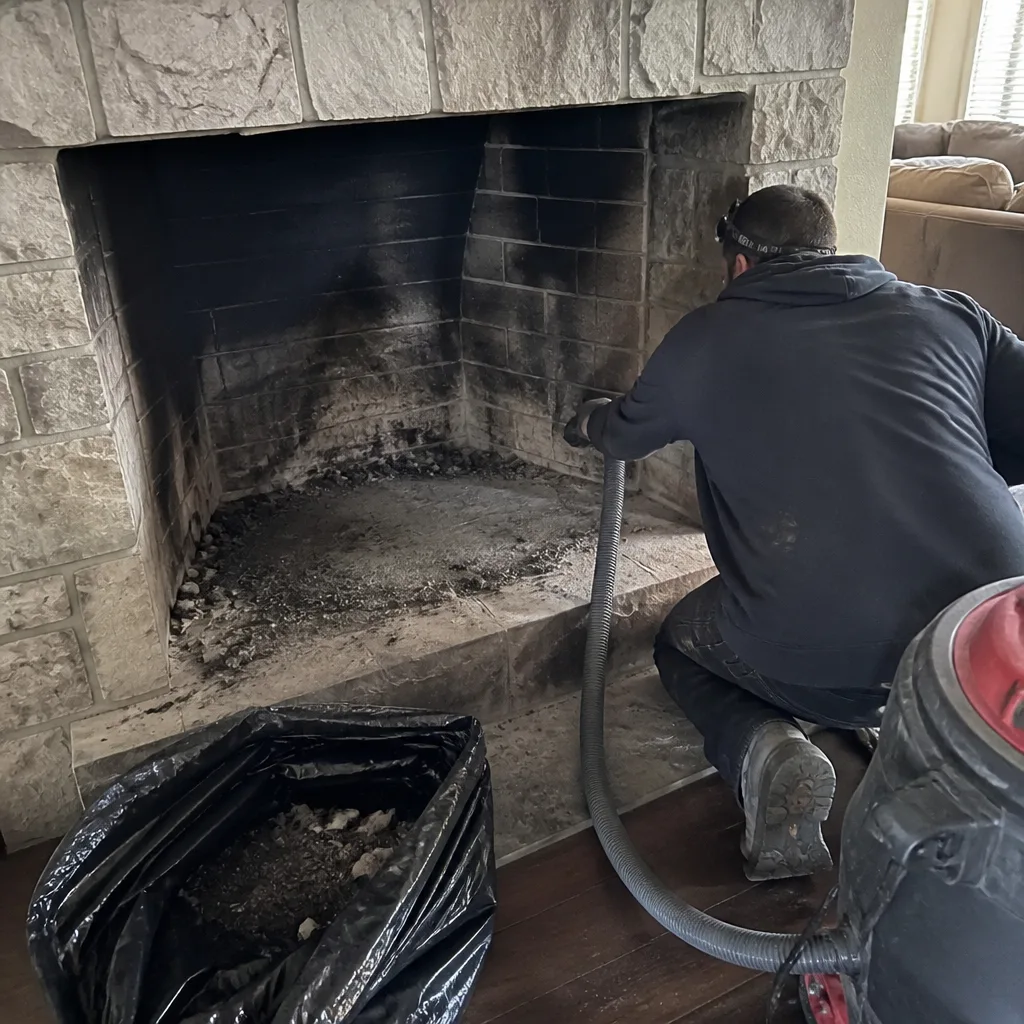 Before
 After
 Before
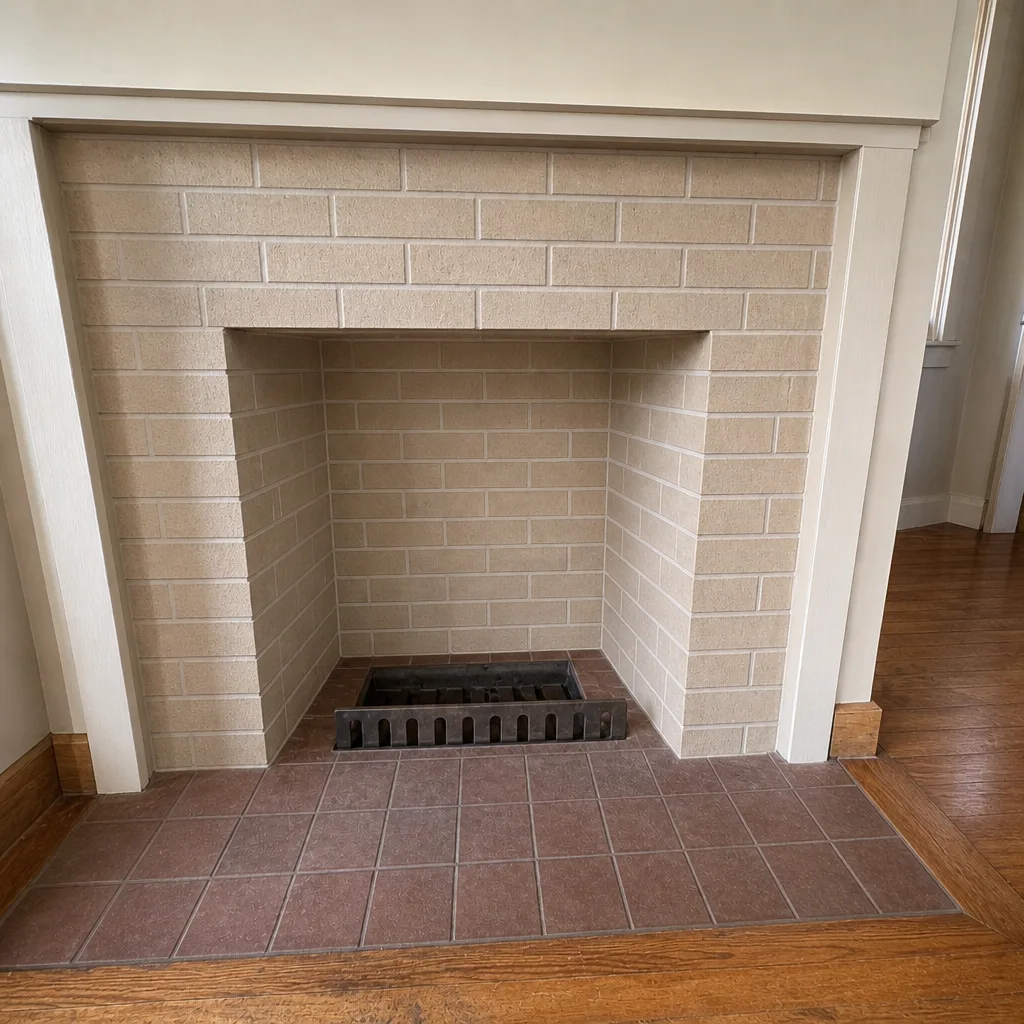 After
When to Call a Professional
Call a professional if any item on the red-flag list applies, if the firebox and flue haven’t been inspected in more than a year, if you’re buying or selling an Everett home with a wood-burning fireplace, if you’ve had a chimney fire (even a small one), if you’re seeing soot or a smoky smell inside the house, or if the top of the flue or crown looks visibly damaged from the ground. The chimney is a safety system, and a camera inspection is the only way to see what’s inside it. If our sweep or inspection turns up a repair, we’ll show you the evidence and use professional-grade materials from brands chimney specialists trust, including HeatShield for structural liner restoration, DuraFlex for full relining, and Gelco and Copperfield for weatherproofing and exterior protection. One team handles your sweep, inspection, and repair, which means no outsourcing, no gaps, and no referral list. Chimney Sweep Everett offers free estimates in Everett. Call (888) 545-1163. We answer 24/7. Fast dispatch from 7am to 7pm, Sunday through Friday.
Frequently Asked Questions
Most chimney sweeps in Everett run in the range of $150 to $350 for a straightforward cleaning, with the final price set per job by a written estimate. A standard sweep of a wood-burning flue sits at the lower end; a sweep plus inspection plus a creosote-removal treatment for glazed buildup runs higher. The estimate is free, and the written estimate sets the final price, so you know the cost before we book. Call (888) 545-1163 for an exact quote.
Only if the inspection finds that the current liner has failed: cracked or separated tiles, deteriorated joints between tile sections, or a flue that’s come apart. The liner is the safety barrier that keeps fire, creosote, and carbon monoxide from reaching the surrounding structure. When it’s compromised, relining is the fix. When it isn’t, we say so. You should not agree to a liner replacement without seeing the camera evidence and the photo report, and that’s exactly what we provide. If your liner has cracks but the structure is intact, HeatShield’s structural restoration can often address it at the joint level rather than a full reline; if a full reline is warranted, DuraFlex systems are what we install. Call (888) 545-1163 and we’ll show you what’s actually in your flue.
Annually for most Everett homes with a regularly used wood fireplace, and annually for gas flues too, since gas venting still needs inspection. A wood fireplace used only a few times a year can often go with an inspection at least every two years, with a sweep whenever creosote buildup warrants. The best habit is to book the sweep in September before the burning season and do a March ground-level check after the wet season. Call (888) 545-1163 to schedule your annual visit.
The risk that matters most is a chimney fire fed by creosote buildup, followed by carbon monoxide from a compromised liner reaching your home. On the damage side, the chain that shows up in Everett most often starts with a failed cap or crown and continues as water damage: rotted smoke chambers, cracked flue tiles, and spalled brick. None of it happens overnight, and all of it is cheaper to prevent than to repair. If the last inspection was more than a year ago, book one.
You can check a lot from the ground, and you should: cap, crown, flashing, the top of the flue tile with binoculars, and interior clues like stains and soot. What you can’t do from the ground is inspect the liner and firebox, which needs a camera. Do not climb the roof to do it, especially in Everett’s wet months, when the deck and flashing are slick. Call (888) 545-1163 and we’ll bring the camera.
A documented maintenance record helps, and insurers often ask for one when a chimney-related claim comes up. A dated log with the inspection report, the camera photo report, the invoice, and any repairs done is what settles the question. Keep it with the house records. In Everett’s older-home inventory, where brick chimneys are common, an inspection before the first fire of a new ownership is worth doing for the same reason. Call (888) 545-1163 to book a sweep and inspection that produces the documentation.
The Bottom Line
The five failure points behind the most expensive chimney repairs in Everett are all preventable, and none of them require any specialized work beyond what’s on a yearly list. Check the cap, crown, and flashing from the ground with binoculars each September and March. Book a professional sweep and camera inspection once a year. Keep a log with the inspection report and photos. Stop using the fireplace without discussion if any red flag comes up, and have it cleared by a professional. The chimney cap deserves the most attention because it’s the smallest part doing the biggest share of the protection. Everything else follows from keeping the water out and the creosote down. Call (888) 545-1163 for a free estimate on your sweep, inspection, or the repair that comes out of it.
Written by the team at Chimney Sweep Everett.