
Last updated November 16, 2026
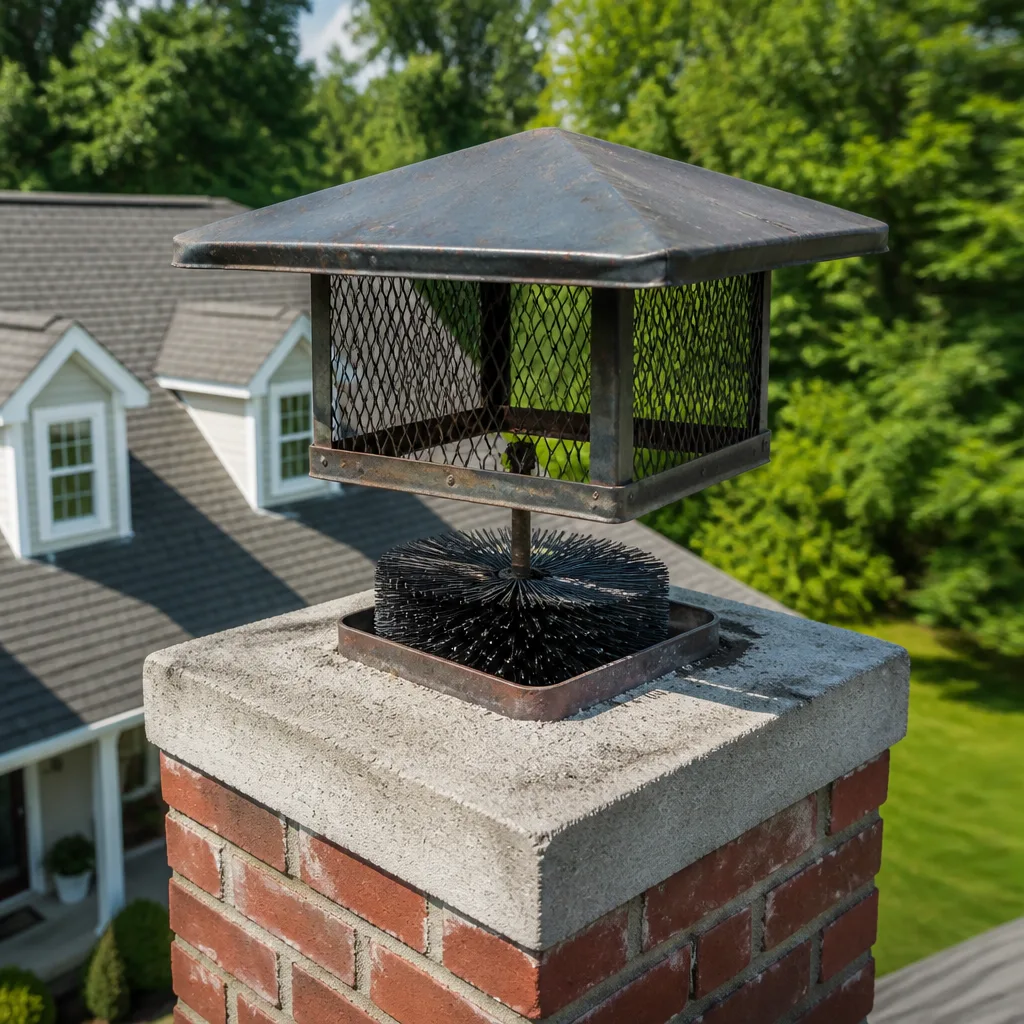 Sweep & inspection
 Caps & crowns
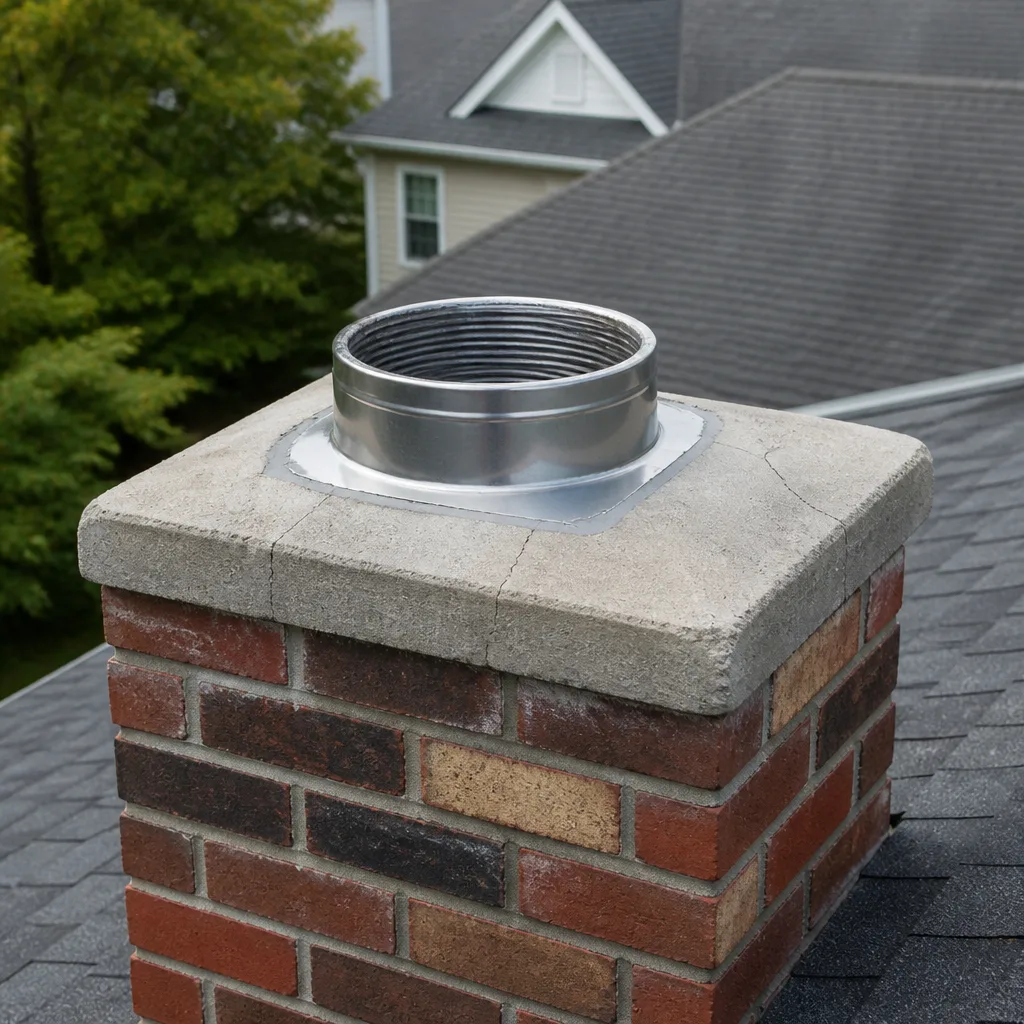 Flue relining
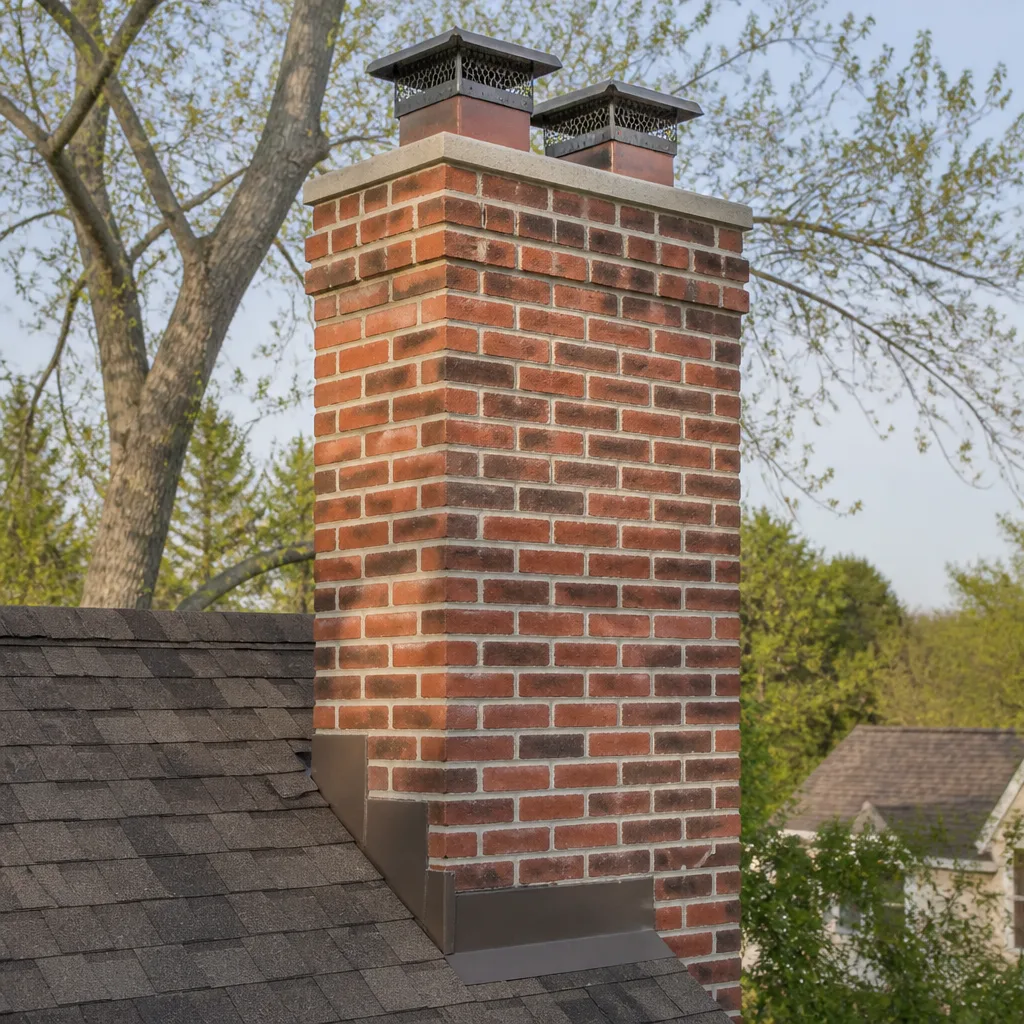 Masonry repair
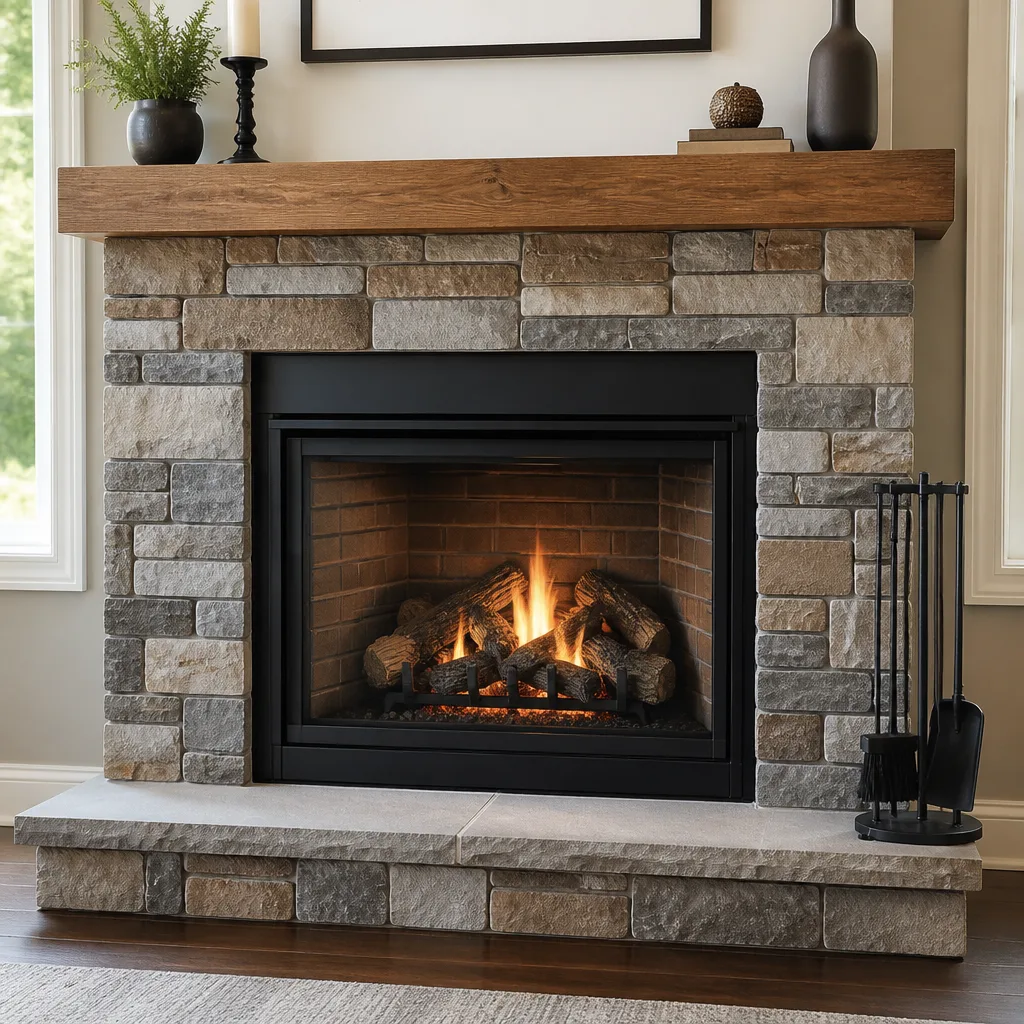 Gas fireplace service
Level 1 sweep and inspection to the NFPA 211 annual standard - flue, crown, cap, and flashing checked and photographed
Chimney sweep logs do not sweep chimneys. They loosen some creosote - which then falls where a brush and vacuum still have to collect it.
Choosing the Right Chimney Cleaning Brand: A Buyer’s Guide for Everett
Most homeowners pick a chimney company by reading reviews and comparing quotes. That’s backwards. When a sweep tells you they’ll “seal your crown” or “treat your liner,” the thing they reach for next matters more than any star rating: CrownCoat or hardware-store concrete, HeatShield or generic refractory cement, a rotary brush system or a hand brush on a rod. How long that repair lasts, and whether it holds through an Everett winter, comes down to the material behind the labor. This guide covers the brands that matter in chimney work, what each one actually does, and the one question that tells you more about a contractor than a hundred reviews.
Quick Answer
The right chimney cleaning brand depends on the job: rotary systems like Gardus RodTech remove glazed creosote that standard brushing can’t touch, chemical treatments like Rutland Creosote Remover or Anti-Creo-Soot are used before mechanical cleaning when creosote has hardened, and repair products like CrownCoat and HeatShield determine whether a crown or liner fix survives freeze-thaw cycles. A company that can name the brands it uses – DuraFlex, HeatShield, Famco, Copperfield, Olympia Chimney, Gelco – for brushes, sealants, and liners is showing you its material standards before you ever pay a deposit.
Styles & brands we work with
- Sweep & inspection
- Caps & crowns
- Flue relining
- Masonry repair
- Gas fireplace service
Table of Contents
- Why Brand Choice Matters More Than Reviews
- Brush Systems: Standard Brushing vs. Rotary Cleaning
- Chemical Treatments: When Creosote Needs More Than a Brush
- Crowns and Caps: Sealants vs. Rigid Cement
- Liner Repair vs. Replacement: HeatShield and Stainless Systems
- What to Ask Your Contractor (and What the Answer Reveals)
- Why This Matters More in Everett Than in Drier Climates
- Common Mistakes to Avoid
- When to Call a Professional
Why Brand Choice Matters More Than Reviews
A chimney sweep can do a flawless job with a cheap brush and a repair can look perfect on day one with the wrong sealant. Reviews capture the visit, not the material. Twelve months later, when the crown has cracked and water is finding its way into the flue, the review doesn’t help. Brand names do.
Chimney work runs on a small set of professional-grade product lines that most homeowners never hear about. The pros know them because they’re specified in industry training and they behave predictably under heat, moisture, and freeze-thaw. Walking into a job with a plan built around those products is a different trade than showing up with a bucket of patching compound and calling it done.
In our experience, the brand question sorts contractors into three groups:
- The generalist who does chimneys as a side job and reaches for whatever’s at the hardware store. The chimney doesn’t get a specialized product because the contractor doesn’t know one exists.
- The middle tier who knows the trade well but works with whatever the supplier had in stock. Materials quality swings by job.
- The specialist who works with recognized industry brands by default – DuraFlex liners, HeatShield structural repair, Famco and Copperfield caps, Gelco and Olympia Chimney components – because that’s the standard the work is measured against.
The point isn’t to demand a brand name as proof of quality. It’s that a contractor who can answer the question is one who has thought about it. If they can’t, that tells you something too. Brand knowledge is a proxy for how seriously a company takes the trade. For a home in Everett with a chimney that takes a real beating from wet weather, that seriousness is the difference between a repair that holds and one that doesn’t.
Brush Systems: Standard Brushing vs. Rotary Cleaning
Not all creosote comes off with a brush. Standard hand brushing – the classic poly brush on flexible rods – handles loose soot and light Stage 1 creosote without trouble. It’s the right tool for a well-maintained flue that gets swept on schedule. Where standard brushing hits a wall is glazed Stage 2 creosote, the hard, shiny, tar-like deposit that forms when a fire burns cool or the wood is unseasoned.
Rotary cleaning systems, like Gardus RodTech, run a spinning brush head on a flexible whip. The rotation does work a push-pull brush can’t: it scuffs and breaks the surface of glazed creosote instead of sliding over it. For a flue that’s been neglected or is burning poorly seasoned wood, the difference isn’t subtle.
What rotary cleaning achieves
- Removes glazed Stage 2 creosote that a standard brush glides over without contact.
- Cleans the full circumference of an irregular or offset flue more consistently than a stiff brush.
- Loosens deposits that a manual brush will wake up but won’t fully break free.
Where standard brushes still belong
Routine sweeping on a clean, well-maintained flue. Rotary isn’t a cure-all – it’s the right tool when the flue calls for it. Rutland makes standard brush and rod lines many sweeps use for the routine job, and that’s appropriate. The mistake is throwing a standard brush at a Stage 2 problem and calling the flue clean. That’s when a chimney sweep in Everett needs to say out loud that the job is bigger than a routine sweep.
What this looks like on a typical job
- The sweep inspects the flue before brushing, not after, using a camera.
- They identify the creosote stage – loose soot, hardened Stage 2, or glazed Stage 3.
- Standard brushing on a routine flue, or rotary systems where glazed deposits are present.
- Chemical pre-treatment first in severe cases (covered next).
- A post-clean camera check confirms the flue is clear, not just that the brush went up and came back down.
The tool is matched to the deposit. A sweep who reaches for the same brush every time on every flue is doing the same job no matter what the chimney actually looks like.
Chemical Treatments: When Creosote Needs More Than a Brush
A brush alone can’t fix severe creosote. When deposits have hardened past the point where mechanical cleaning will break them free, chemical treatment has to happen first. This is the step most homeowners never hear about, and it’s the one that separates a sweep who understands creosote chemistry from a sweep who runs a brush up and down.
Rutland Creosote Remover vs. Anti-Creo-Soot (ACS)
Rutland Creosote Remover is a powder designed to be applied to a hot fire. It works by reacting with creosote deposits over repeated burns, softening them so they can later be brushed away. It’s a gradual treatment, used across a handful of fires. Anti-Creo-Soot (ACS) is a liquid spray applied directly to the flue surfaces; it also softens creosote so mechanical cleaning is effective. Both products have a role, but the choice comes down to how severe the deposit is and whether the fireplace is safe to burn in the meantime.
- Rutland powder is typically used as an ongoing treatment for moderate creosote while the fireplace is still in normal use.
- ACS liquid is often applied to a flue that’s too glazed to brush effectively, as a pre-treatment before the mechanical clean.
- Neither is a substitute for mechanical cleaning. The chemicals soften the creosote; the brush still has to remove it.
How the sequence usually goes
- A camera inspection determines how severe the creosote is and whether it’s safe to burn in the meantime.
- The right product is chosen – powder applied to fires over time, or a liquid pre-treatment before a mechanical sweep.
- The fireplace sits out of use while the treatment reacts.
- The mechanical sweep follows, breaking free what the treatment softened.
- A camera check confirms the flue is clear.
What we tell homeowners in Everett: a sweep who never mentions chemical treatment is a sweep who’s either only seeing lightly-used flues or ignoring the problem. If your chimney has been burning a while without a cleaning, ask the question directly.
Crowns and Caps: Sealants vs. Rigid Cement
A chimney crown is that slab of concrete at the top that sheds water away from the flue. When it cracks, water gets in, and by the time a homeowner notices a ceiling stain inside the house, the damage has been growing for a while. What often happens next is the wrong repair: a hardware-store cement patched over the crack that cracks again within a season.
Why rigid patching fails here
Everett sits in a climate that freezes and thaws repeatedly through the winter. The crown expands on a mild afternoon and contracts overnight. A rigid patching compound has almost no ability to flex with that movement. The crack opens, the patch releases, and the cycle starts over. Each cycle, water gets a bit deeper.
What elastomeric sealants do differently
Crown sealants like CrownCoat are formulated to flex with the movements the crown actually experiences. They bond to the surface, stay slightly elastic across a temperature range, and keep the water out instead of cracking under the first freeze. That’s the difference between a repair that lasts one season and one that lasts.
What a proper crown job involves
- Cleaning the crown of loose debris and old failed patch material.
- Assessing whether the crown can be sealed or needs replacement.
- Applying the sealant product over the surface and down over the edges, not just in the crack.
- Ensuring the chimney cap and flue top are properly sealed and fitted with a recognized cap brand like Copperfield or Famco.
Chimney caps matter for the same reason. A well-fitted cap from a recognized manufacturer keeps rain, snow, and animals out; a poorly fitted one or a missing one drives water into the flue and accelerates deterioration from the top down. The cap is the first line of defense, and the crown product is the second. Both are worth asking about by name.
Liner Repair vs. Replacement: HeatShield and Stainless Systems
Not every failed liner needs to come out. The choice between repair and replacement depends on what’s actually wrong.
When HeatShield Cerfractory is the right answer
HeatShield is a structural repair system for masonry chimneys with deteriorated mortar joints in the clay tile liner. It’s applied as a compound that fills the gaps and restores the flue’s integrity from the inside. If the tiles themselves are intact and the joints are the problem, HeatShield can restore the flue without demolition. That’s meaningfully different from a sweep who only knows how to clean – HeatShield application is structural work, not surface-level maintenance.
When a stainless liner system is the right answer
If the original liner is missing, cracked beyond repair, or the wrong size for the appliance, no amount of joint repair fixes it. That’s when a stainless liner system is installed. DuraFlex, Olympia Chimney, and Rockford Chimney make stainless liner systems that go into the flue to provide a new, seamless interior surface. This addresses the root cause – draft problems, deterioration, unsafe clearances – not the symptoms.
How to tell which one you need
- Clay tiles intact, joints deteriorated: HeatShield Cerfractory system.
- Missing liner, tiles cracked, or wrong size for the appliance: stainless liner system.
- Minor joint deterioration with no other issue: HeatShield restores the flue.
- Old, dangerous, unlined chimney serving a wood stove or gas appliance: full stainless liner installation.
The decision should come from a camera inspection with photos the homeowner can see, not from a technician who eyeballed the box. HeatShield application is a structural restoration skill; full relining is a full-service skill. Both land on the same team when the company is a dedicated chimney specialist, not a generalist who outsources anything above a sweep. When you need chimney repair, the brand in the toolkit tells you whether the fix meets the standard or just patches what’s visible.
What to Ask Your Contractor (and What the Answer Reveals)
One question sorts the field faster than a stack of reviews: “What brand are you using for that repair?”
Watch how they answer. A contractor who names a product without hesitation and can explain why they chose it is working from a professional standard. A contractor who says “we use whatever works” or “we’ll figure that out on the day” is telling you what their material standards are, and it isn’t a high one.
Questions worth having on hand
- What brand sealant do you use for crown repairs? Expect CrownCoat or a comparable elastomeric product – not “concrete.”
- Do you use rotary brush systems or standard brushing? Expect both, and expect them to explain when each applies.
- Which liner system do you install? Expect DuraFlex, Olympia Chimney, Rockford, or another recognized manufacturer – not “we make one.”
- Is HeatShield part of your repair capability? If mortar joint repair is on the table, HeatShield application has to be in the toolkit.
- What creosote treatment do you use? Expect Rutland or ACS – not a shrug.
- Will the inspection include photos? A camera inspection and photo report should be included, not sold extra.
What a good answer sounds like
It sounds like a contractor who knows the trade’s brands by first name, knows when each applies, and doesn’t need to look up the answer on a phone. It also sounds like someone comfortable saying “that job doesn’t need a repair right now – it can wait.” A specialist who tells you when work can wait is telling you that their recommendations are driven by what the chimney needs, not the calendar. That’s the company you want handling your sweep, inspection, and any chimney sweep or repair on the same visit.
Why This Matters More in Everett Than in Drier Climates
Western Washington’s wet, freeze-thaw climate is hard on chimneys. A crown that would soldier on for years in a dry climate can crack after a couple of winters here; a marginal mortar joint deteriorates faster when water finds it, freezes, and opens it further. That’s why the material question isn’t academic in Everett. It’s the difference between a repair that holds and one that fails within the first freeze.
Wood-burning chimneys around neighborhoods like Bayside, Riverside, and the older homes near downtown often run into a second issue: the flue was sized decades ago for a fireplace that doesn’t match the appliance burning today. Creosote builds faster when the appliance size and the flue don’t line up, and rotary systems and chemical pre-treatments become part of a routine sweep instead of an occasional exception. If you’re trying to figure out whether your Everett home needs a reline, an inspection with photos is the starting point, not a sales conversation.
Everett also sees a lot of homes with original masonry chimneys that have never been resurfaced or sealed. Gelco products handle weatherproofing and exterior protection, which matters because a chimney’s most common enemy here is the water that gets into mortar from the outside. A chimney that never got proper exterior protection, or hasn’t had it re-applied, is losing integrity one freeze-thaw cycle at a time. That’s not a scare – it’s a predictable timeline. The right sealant slows it, and a later schedule pushes back the repair.
So while brand knowledge is universal to the trade, the consequences of skipping it are sharper here. A cheap patch job in a dry climate might last a season or two. In Everett, it won’t make it through the first winter with any confidence.
Common Mistakes to Avoid
- Choosing the cheapest bid without asking what brands are used. The lowest quote is often the lowest-grade material. In a wet climate, that gap becomes visible within a season.
- Patching a cracked crown with rigid cement. It looks fine for a few weeks and then cracks in the next freeze. CrownCoat and similar elastomeric products exist because rigid cement doesn’t flex, and here the crown flexes constantly through winter.
- Skipping the camera inspection and trusting a visual check. A flashlight from below can’t see mortar joint failure or glazed creosote higher in the flue. Ask for photos, not a summary.
- Replacing a liner that could have been repaired. If the tiles are intact and the joints are the issue, HeatShield can restore the flue without demolition. A company that only sells replacements isn’t going to offer the cheaper fix.
- Chemical treating when mechanical cleaning was the right answer. The other direction. Chemical treatment is a pre-treatment for severe creosote, not a maintenance routine for a clean flue.
- Hiring a general handyman or a roofing/HVAC company that “also does chimneys.” Chimney work is a specialty. A company whose main business is elsewhere isn’t using a chimney-specific product line – it’s using what’s nearby.
- Ignoring the cap. A missing or poorly fitted cap lets water, snow, and animals in all winter. It’s a cheap part with large consequences, and a professional-grade cap from Copperfield or Famco is a different proposition than a universal sheet-metal cover.
When to Call a Professional
Call a professional for any of the following: your last sweep was more than a year ago and you burn wood regularly, you’ve noticed a smell of smoke indoors when the fireplace is lit, you’ve had a chimney fire or a sudden draft problem, water is staining the ceiling or running down the inside of the firebox, the crown is visibly cracked, or you’ve had a home inspection flag anything in the chimney. Those are all jobs that need a trained eye and the right tools, not a patch job from whoever’s available. Gas appliance work is in the same category – carbon monoxide risk is not something to troubleshoot from a video. Chimney Sweep Everett offers free estimates in Everett – call (888) 545-1163. Our technicians have up to 15 years of experience, and we work with professional-grade brands because the materials behind a repair matter as much as the labor.
See the difference
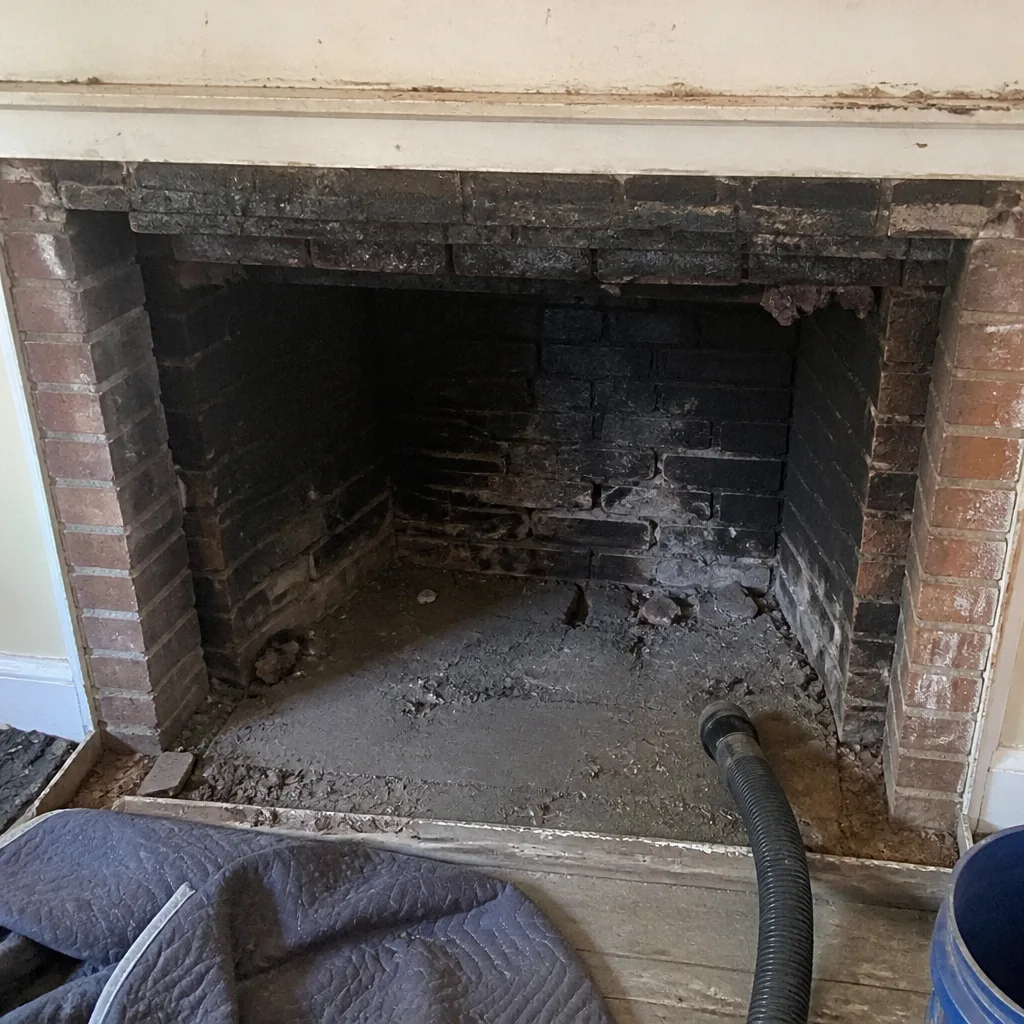 Before
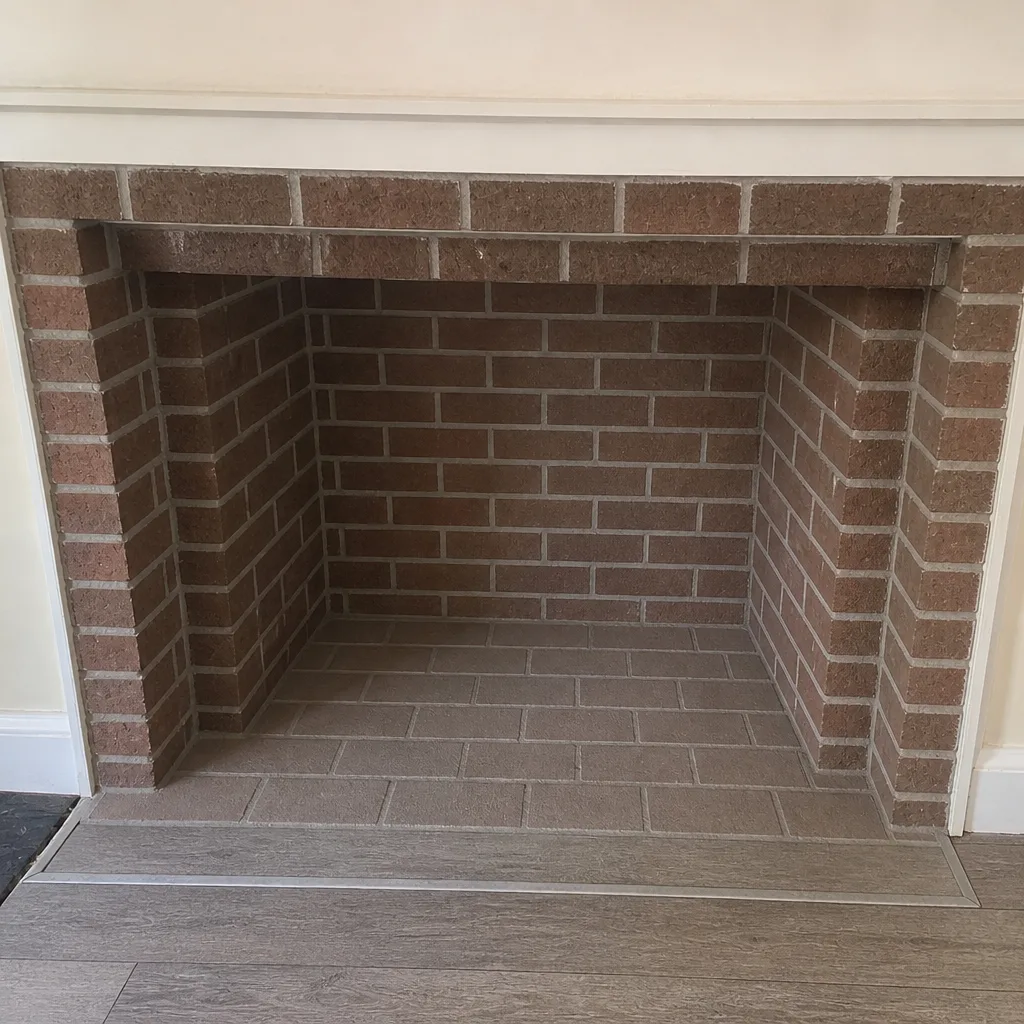 After
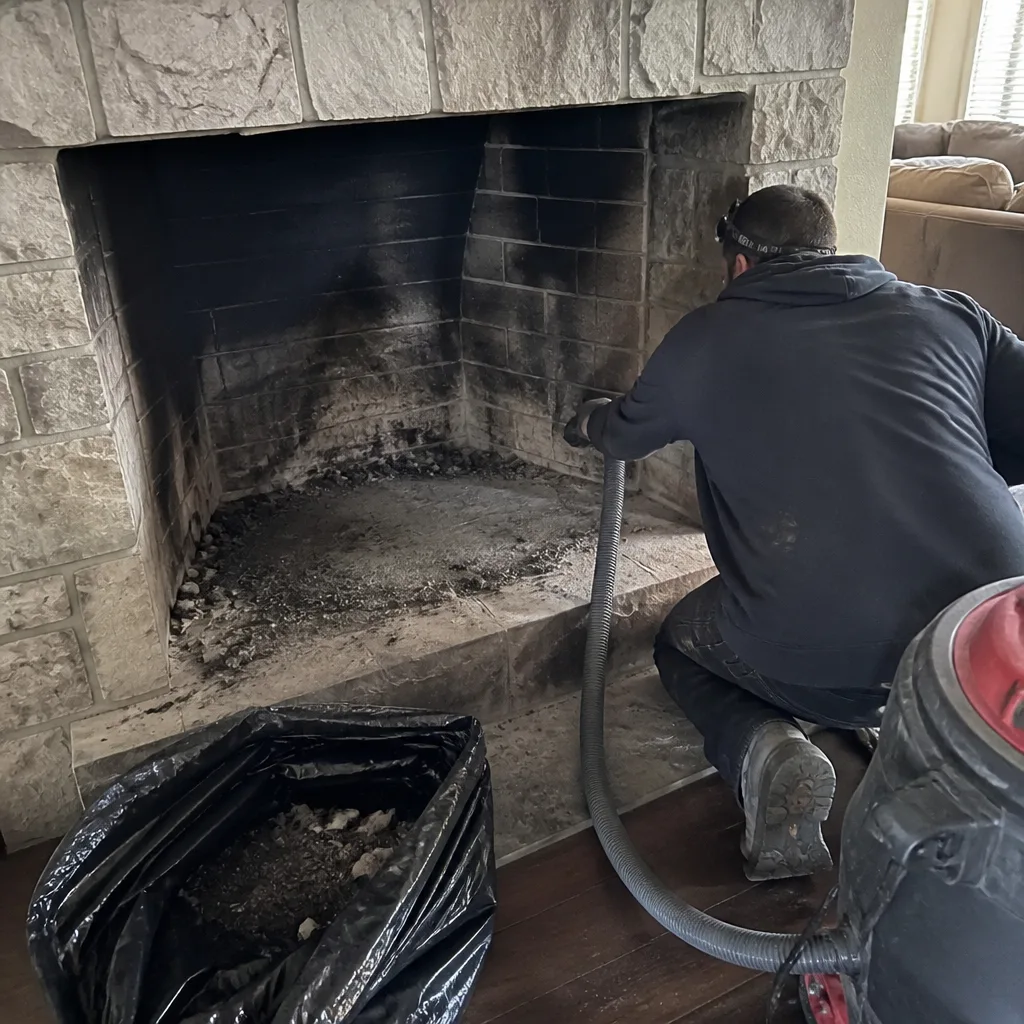 Before
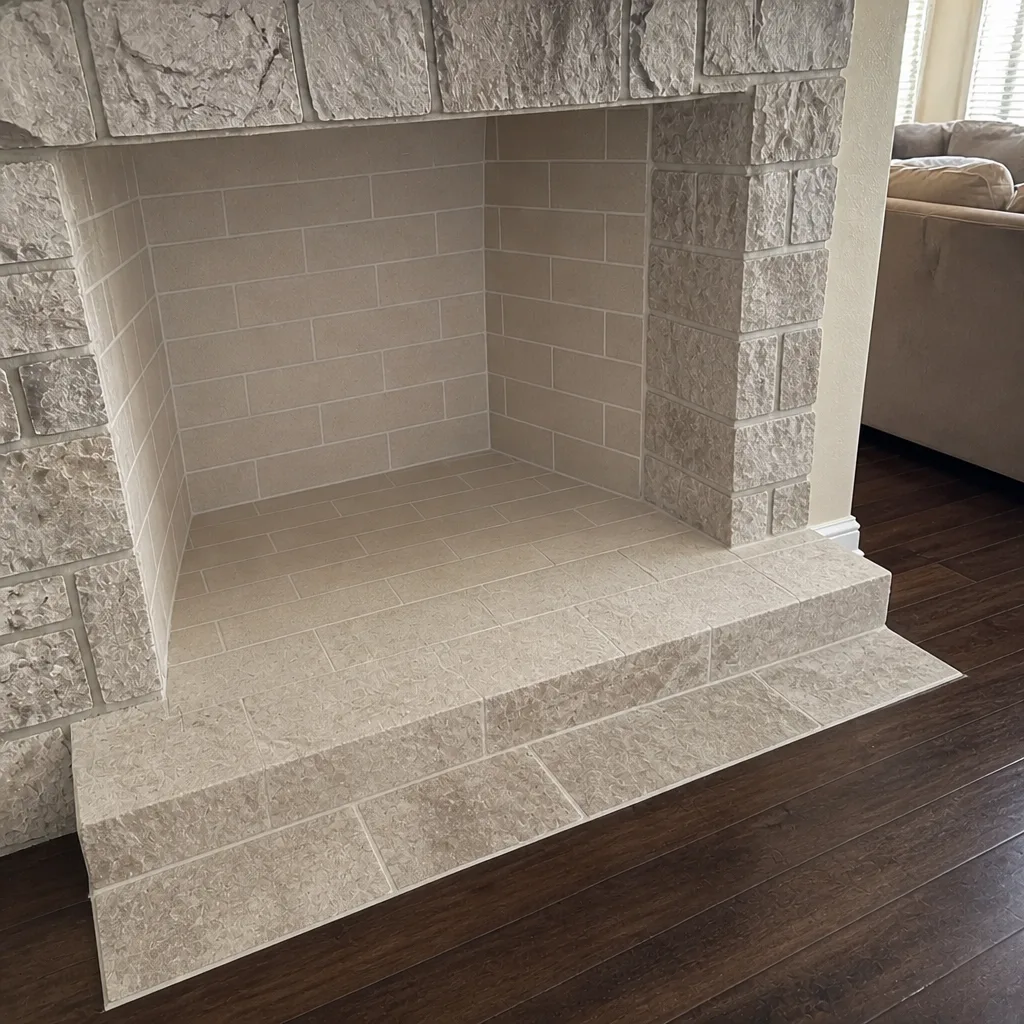 After
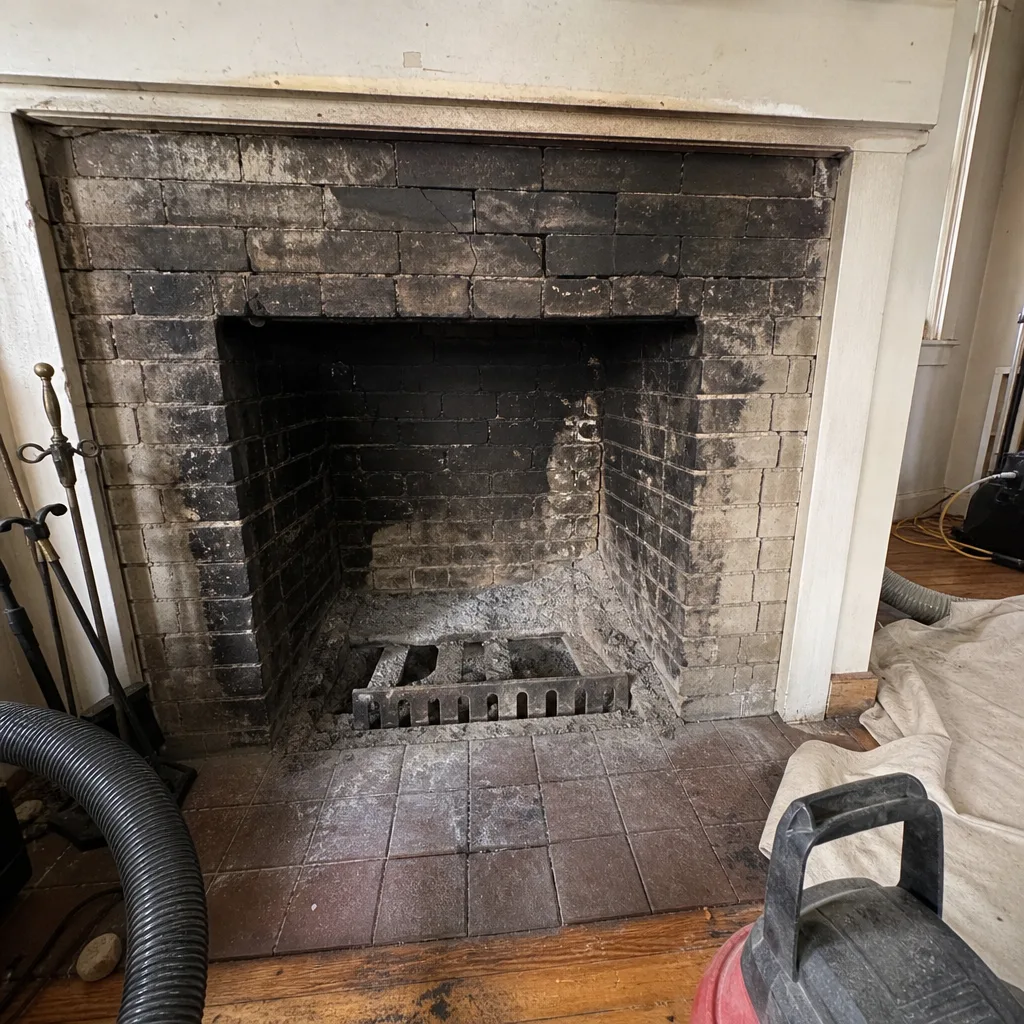 Before
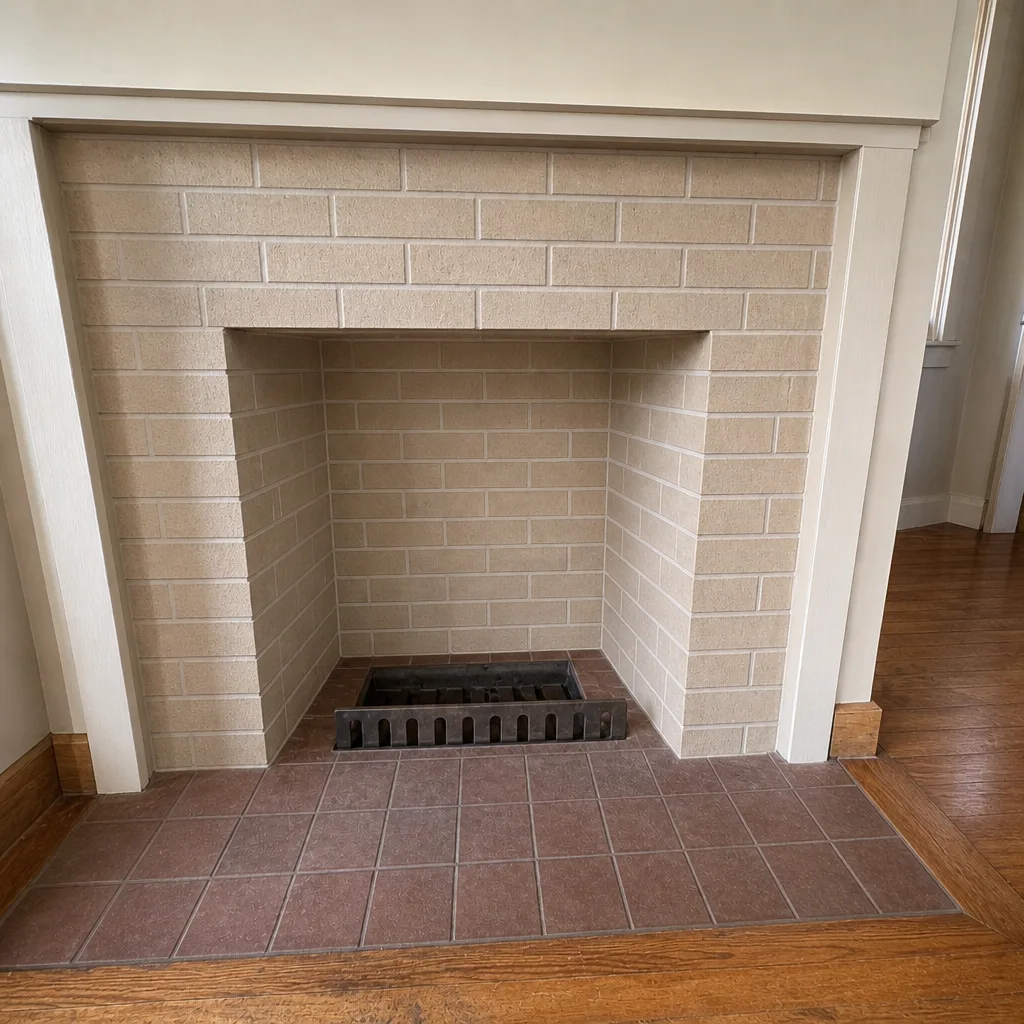 After
Frequently Asked Questions
Ask directly, and ask by category: what sealant for crowns, what brush system, what liner, what creosote treatment. A chimney specialist will answer without hesitation and explain why they chose each product. If the answer is vague – “we use what works” or “we’ll see when we’re up there” – that’s the answer you needed to hear.
Because Everett’s winters freeze and thaw repeatedly, and rigid patching cement doesn’t flex. Elastomeric sealants like CrownCoat move with the crown through that cycle and keep the water out. A rigid patch looks fine on day one and fails in the first hard freeze.
Neither is universally “better.” Rotary systems like Gardus RodTech remove glazed Stage 2 creosote that a standard brush slides over, so they’re the right tool when deposits are glazed. Standard brushes are the right tool on a well-maintained flue that gets swept on schedule. The proper comparison is which tool matches the flue in front of the technician, not which one wins in general.
If the clay tiles are intact and only the mortar joints are deteriorated, HeatShield can often restore the flue without replacing it. If the liner is missing, cracked beyond repair, or the wrong size for the appliance, a stainless liner system like DuraFlex or Olympia Chimney is the right answer. The diagnosis comes from a camera inspection with photos you can look at yourself.
Rutland Creosote Remover powder, applied to hot fires over time, and Anti-Creo-Soot liquid, applied to the flue before mechanical cleaning. They’re used when creosote has hardened past the point a brush alone will break it free. The chemical softens; the brush still has to do the removal.
Once a year for a regularly used wood-burning fireplace, and more often if you burn frequently or notice poor draft. Everett’s wet climate accelerates exterior deterioration – cracks, mortar failure, crown issues – which a yearly inspection catches early. If it’s been long enough that you can’t remember the last sweep, that’s the answer.
Our repair and restoration work uses professional-grade industry brands: DuraFlex, HeatShield, Gelco, Olympia Chimney, Famco, and Copperfield. We name them because the materials behind a repair matter as much as the labor, and we want homeowners in Everett to know exactly what’s going into their chimney.
The Bottom Line
The brand question is the most useful question a homeowner in Everett can ask about chimney work. Brush systems tell you whether a contractor can handle glazed creosote; chemical treatments tell you whether they understand creosote chemistry; crown sealants and caps tell you whether the repair will survive the local winter; HeatShield capability and stainless liner systems tell you whether full structural work is in their toolkit. A contractor who names professional-grade brands without hesitation is the one who has thought about the trade. If the answer is vague, keep asking – or call a specialist. If your chimney needs a sweep, an inspection, or repair, call Chimney Sweep Everett at (888) 545-1163 for a free estimate. We answer 24/7. Fast dispatch from 7am to 7pm, Sunday through Friday.
Written by the team at Chimney Sweep Everett.