
Last updated November 16, 2026
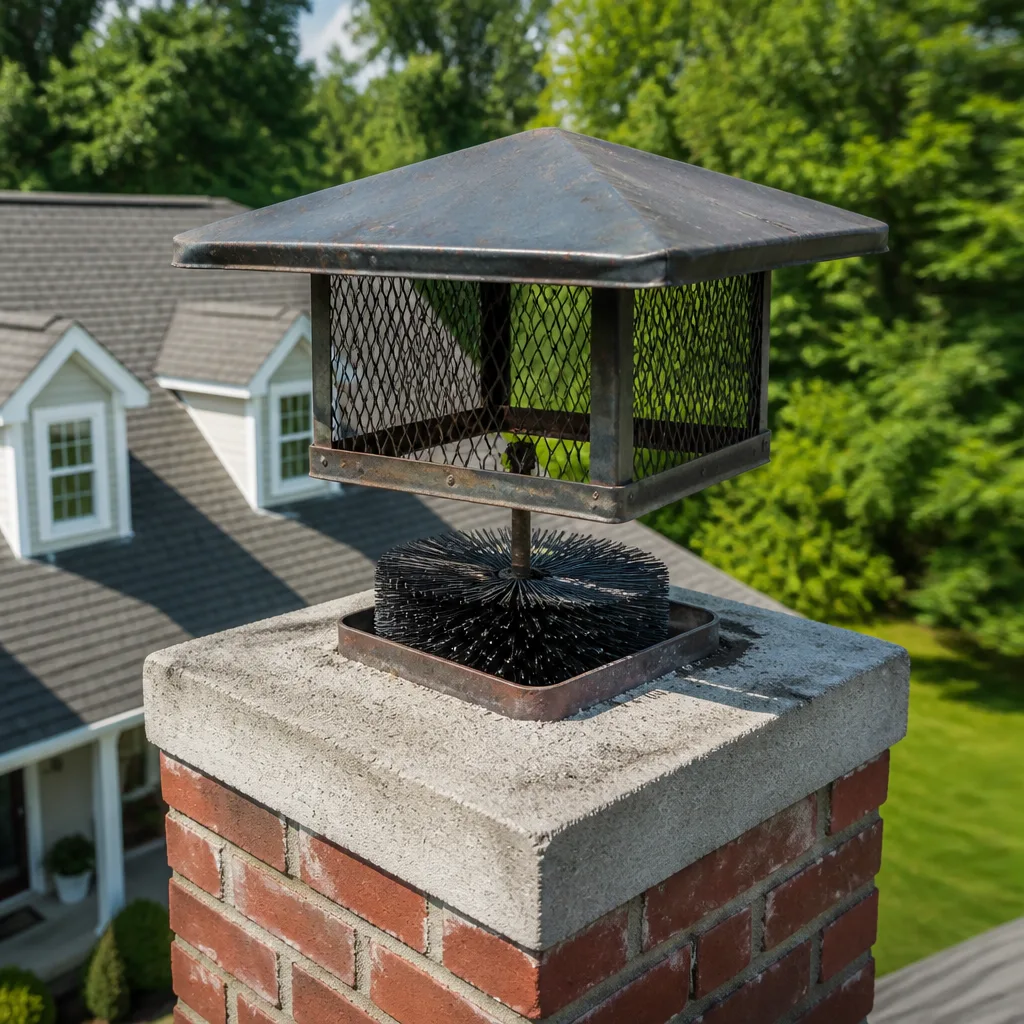 Sweep & inspection
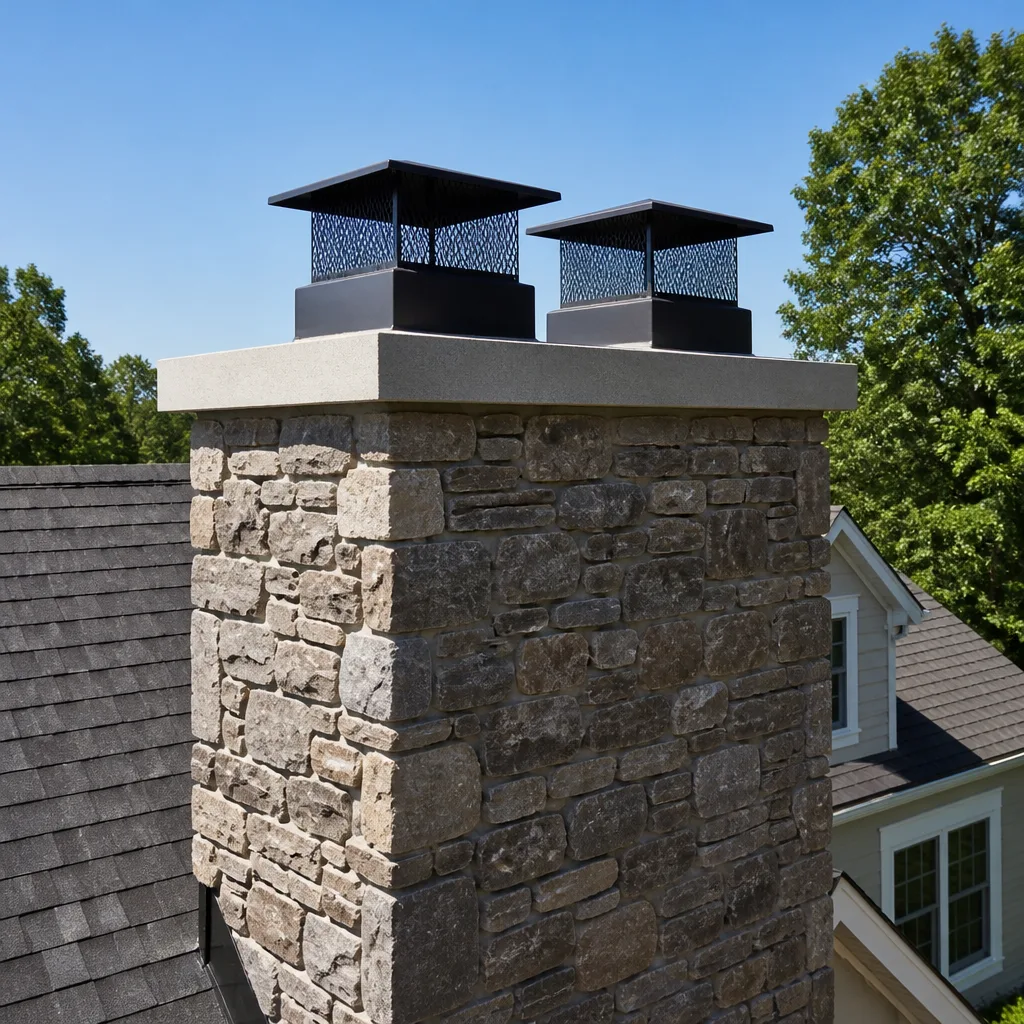 Caps & crowns
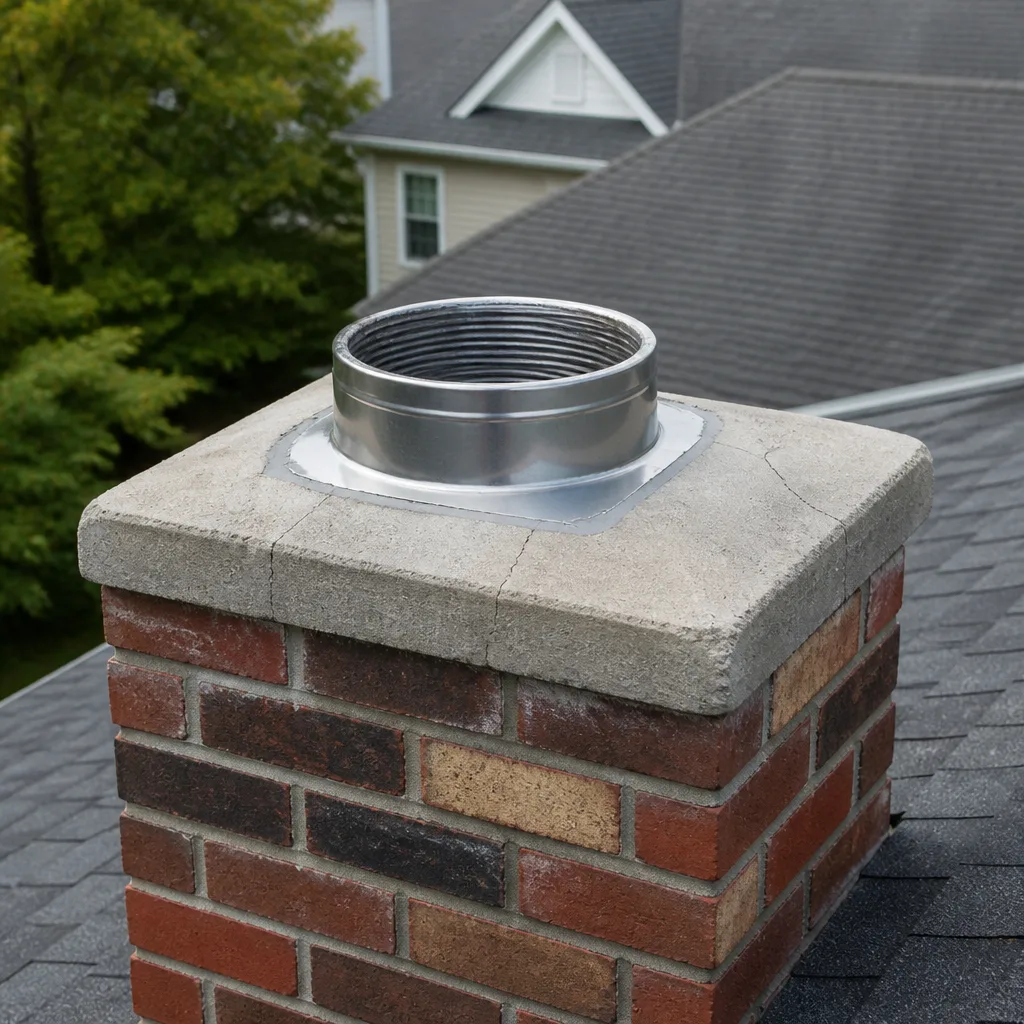 Flue relining
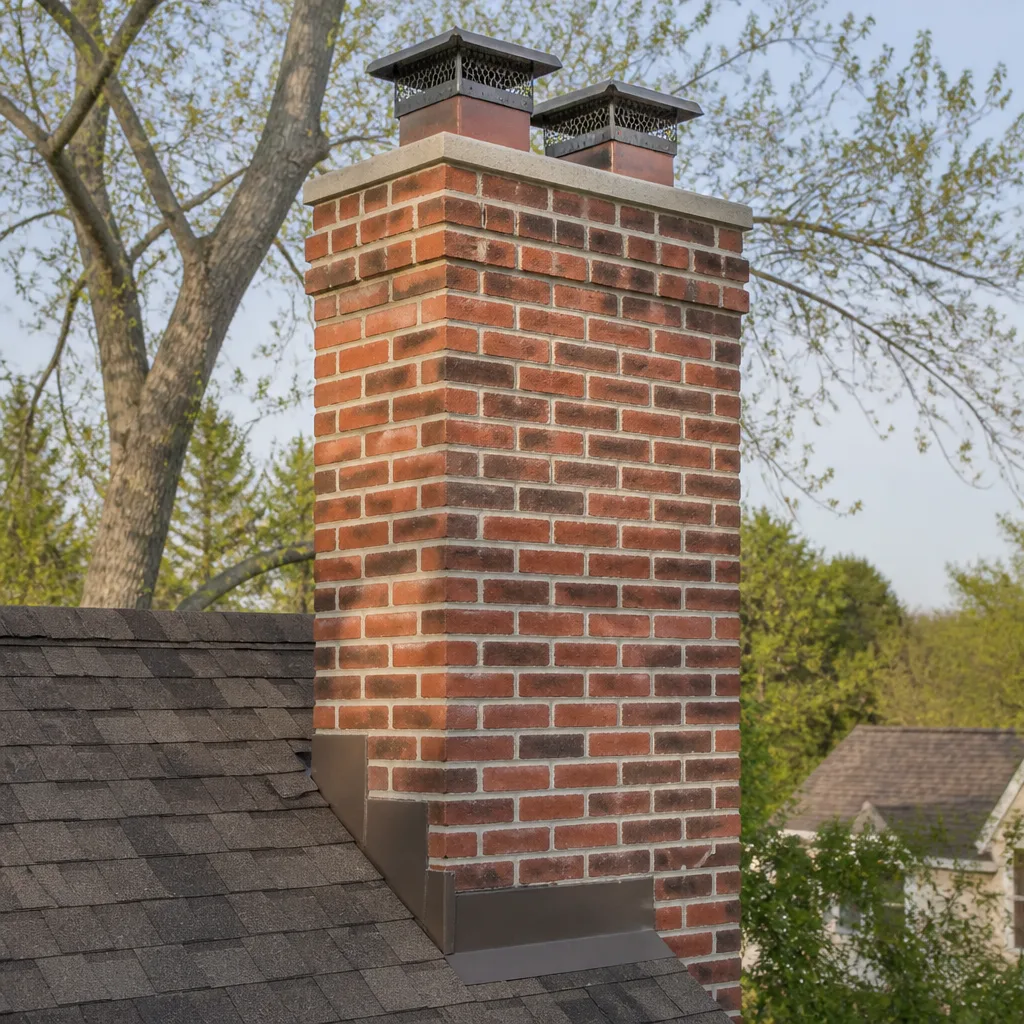 Masonry repair
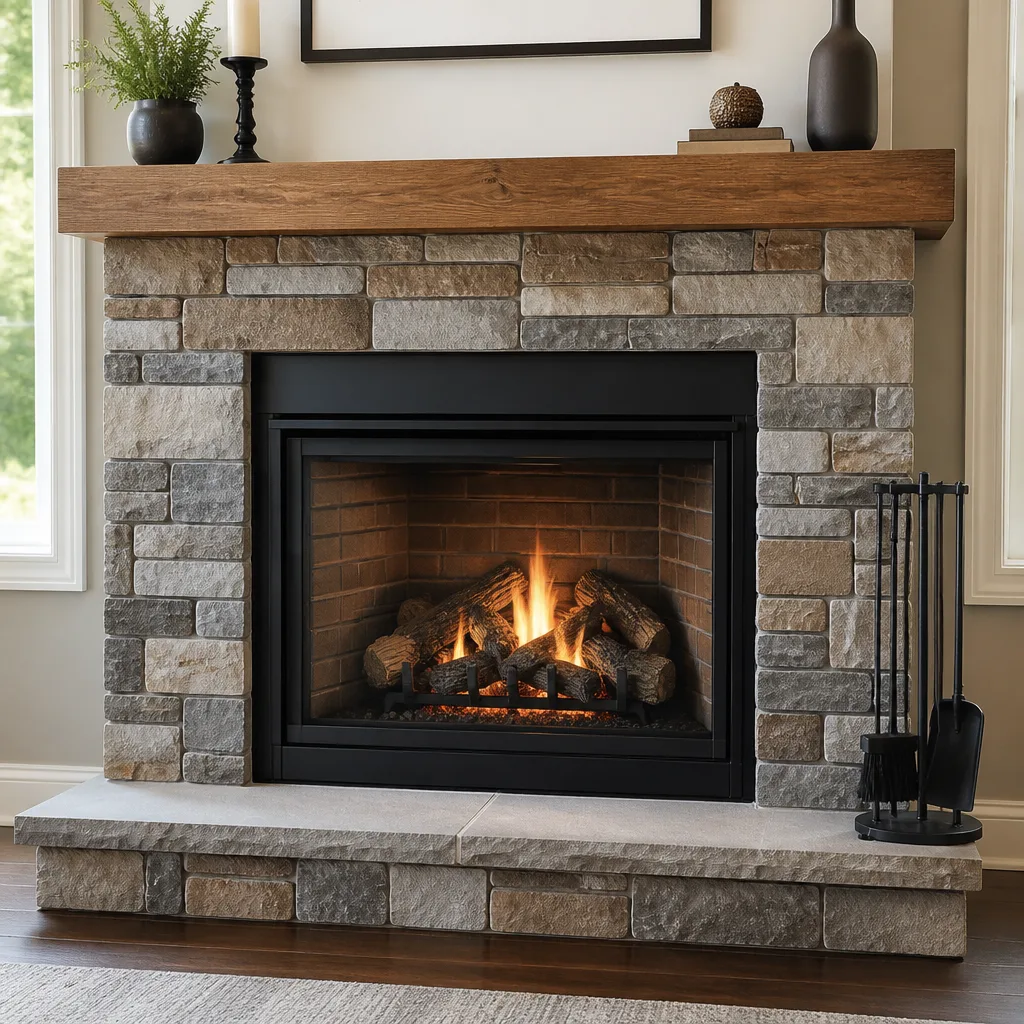 Gas fireplace service
Level 1 sweep and inspection to the NFPA 211 annual standard - flue, crown, cap, and flashing checked and photographed
Chimney sweep logs do not sweep chimneys. They loosen some creosote - which then falls where a brush and vacuum still have to collect it.
How to Hire a Chimney Cleaning Contractor in Everett: A Step-by-Step Guide
CSIA certification takes 40+ hours of study and a proctored exam. A power washer and a brush set costs about $200 online. Both can show up at your door calling themselves a chimney sweep. The credential gap is the whole ballgame, and most homeowners never ask about it because they don’t know what to ask. In a market like Everett, where a lot of general contractors have quietly added “chimney cleaning” to their service menu, the difference between a specialist and a handyman with a brush can be the difference between a clean flue and a venting system that nobody actually verified. This guide walks you through exactly what to ask, what to look for, and what a bad quote looks like before anyone climbs on your roof.
Quick Answer
To hire a chimney cleaning contractor in Everett, verify three things before you book: CSIA (Chimney Safety Institute of America) certification for the technician, an active Washington State contractor license through the Department of Labor & Industries lookup, and confirmation that the company performs full-service work (sweeping, inspection, and repair) rather than subbing out anything structural. Ask for a written scope of work before the appointment, confirm whether a camera inspection and photo report are included, and never approve repair work the same day unless you’ve seen the evidence for it yourself. A credentialed specialist will welcome all of these questions. A generalist will get uncomfortable.
Styles & brands we work with
- Sweep & inspection
- Caps & crowns
- Flue relining
- Masonry repair
- Gas fireplace service
Table of Contents
- Which Credentials Should You Verify First?
- The Five Interview Questions That Reveal a Specialist
- Why a Written Scope of Work Matters
- How to Read a Chimney Inspection Report
- Red Flags in Chimney Cleaning Quotes
- What Everett’s Climate Means for Your Chimney
- How Much Does a Chimney Sweep Cost in Everett?
- Common Mistakes to Avoid
Which Credentials Should You Verify First?
Start with the two credentials that actually mean something in this trade: CSIA certification and an active Washington State contractor license. Everything else is secondary until you’ve confirmed those two.
The CSIA Certified Chimney Sweep designation is the industry’s recognized credential. Earning it requires passing a proctored exam covering chimney construction, venting, codes, and safety, plus ongoing continuing education to maintain it. A CSIA-certified sweep has demonstrated knowledge of how wood-burning appliances, gas appliances, and venting systems actually work. That’s not the same as knowing how to push a brush up a flue.
NFI (National Fireplace Institute) certification is the parallel credential for gas, wood, and pellet hearth appliances. If your home burns gas or wood in a factory-built fireplace, an NFI-certified technician has specific training on that appliance type. Not every sweep carries it, but it’s a legitimate signal when you see it.
Then there’s the Washington State Department of Labor & Industries (L&I) contractor registration. Every contractor doing work in Washington is required to carry this. The lookup is free and takes about sixty seconds at lni.wa.gov. You’ll see whether the registration is active, whether the bond and insurance are current, and whether there are any violations on record. Do this search before you book. It’s the fastest way to filter out a fly-by-night operation.
What you’re looking for in a chimney specialist is not just one credential but the combination of a safety-trade certification, a state registration, and the ability to perform repair work in-house. A company that can sweep but has to refer you elsewhere for a relining job is a company that hasn’t committed to chimneys as a trade. That’s the gap we’re trying to help you avoid. When you hire a chimney sweep, you’re hiring the eyes that will catch a problem before it becomes a fire hazard. The credentials behind those eyes matter.
The Five Interview Questions That Reveal a Specialist
These five questions sort a chimney specialist from a generalist in about five minutes on the phone. Ask them before you book. The answers tell you almost everything.
- “Are you CSIA-certified, and can you tell me who will actually be coming to my home?” A specialist will know whether the technician on your job is certified. A generalist will say “our guys are insured” and change the subject. Certification is specific and verifiable.
- “Do you perform inspections and repairs in-house, or do you refer out?” A full-service chimney company handles sweeping, inspection, and repair with the same team. If the person on the phone says “we can sweep it but you’ll need a different contractor for the liner,” you’ve just learned you’re dealing with a one-trick operation.
- “Do you offer a Level 2 inspection with a camera?” A CSIA-certified sweep should be able to walk you through the NFPA 211 inspection levels and explain when a Level 2 (video camera) inspection is appropriate. If they don’t know what Level 2 means, they’re not certified or not paying attention.
- “What brands of liner and repair materials do you use?” A specialist will name the products – DuraFlex liner systems, HeatShield resurfacing, Copperfield or Olympia Chimney components. A generalist will say “we use good stuff.” Naming brands matters because the materials behind a repair last as long as the labor, and off-brand liners can fail inside a decade.
- “Can I see the inspection report before any repair work is authorized?” A credentialed company will say yes without hesitation. A company that wants to sweep and quote repairs in the same conversation is skipping a step.
You can run all five of these questions in one conversation. Write the answers down. If any of them cause friction or get deflected, that’s your signal to keep looking. Chimney work is a safety trade. The people who do it well are comfortable being asked.
Why a Written Scope of Work Matters
A written scope of work is the single most important piece of paper in the transaction. It’s the difference between “we’ll clean your chimney” and a defined job with defined deliverables. Without one, you have nothing to compare quotes against and nothing to hold the contractor to.
A proper scope for a chimney sweep in Everett should itemize:
- The appliance or appliances being serviced (fireplace, wood stove, gas insert, furnace flue)
- The type of cleaning being performed (mechanical brushing, rotary sweeping, gas appliance service)
- The approximate depth or extent of the flue being cleaned
- Whether the firebox and smoke chamber are included
- Whether the damper and smoke shelf are included
- Whether a camera inspection is part of the appointment or billed separately
- Whether a written inspection report with photos will be provided
- Any disposal or cleanup included
- The flat price for the sweep, agreed before the appointment
What you don’t want to see: vague line items like “full chimney service” or “complete cleaning package.” Those phrases are cover for a technician who sweeps the firebox and calls it a day without checking the flue liner or the smoke chamber above the damper. Vague scope also leaves the door open for a surprise charge after the fact. Ask specifically: “What exactly is included, and what would cost extra?”
In our experience, the homeowners who get the most value out of a sweep are the ones who know exactly what they’re buying before the truck arrives. When the scope is real, so is the work. If a company can’t or won’t put their scope in writing, that’s the answer you need.
How to Read a Chimney Inspection Report
A chimney inspection report is not just a receipt for the sweep. It’s the document that tells you the condition of your entire venting system, and the one you’d hand to your insurance company if something went wrong. If the report you receive is a single-line invoice with the word “OK” written on it, you did not get an inspection.
NFPA 211 sets the standard for chimney inspections, and there are three levels:
- Level 1: A visual inspection of readily accessible portions of the chimney and venting system, done with the standard tools of the trade. Appropriate when conditions haven’t changed.
- Level 2: Includes everything in Level 1 plus a video camera inspection of the flue interior. Required when a home is being sold, after a chimney fire, after an earthquake or other event that could have damaged the system, or when changing appliances.
- Level 3: Includes everything in Level 2 plus investigation of concealed areas (opening walls or removing parts of the chimney). Not common, but necessary in specific diagnostic cases.
A proper Level 2 report should include the date, the technician’s credentials, the appliance type, the flue type and interior dimensions, a description of any creosote buildup with stage (Stage 1, 2, or 3), and photos or frames from the camera footage. It should also include a clear statement of what was inspected versus what wasn’t accessible, and any deficiencies with a recommendation for repair.
Read it for three things: the creosote stage, the condition of the liner, and whether any structural deficiencies are flagged (cracked flue tiles, gaps, deteriorated mortar joints). Ask questions if anything is unclear. A good inspector will walk you through the photos and tell you in plain language what they show. If the report is vague or the photos are missing, ask for them. This is the document that should drive every repair decision you make about your chimney. A chimney repair recommendation without a camera report behind it is not a recommendation, it’s a sales pitch.
Red Flags in Chimney Cleaning Quotes
The warning signs in a chimney cleaning quote are specific and easy to spot once you know them. Here’s what to watch for.
- Unusually low bids. If one quote is dramatically below the others for the same scope, something is getting skipped. It’s usually the camera inspection or the upper flue.
- No camera inspection offered. A Level 2 inspection with a camera is the standard that catches liner problems. If a company doesn’t offer it at all, they can’t diagnose what they can’t see.
- No written report. An inspection without documentation is an opinion. You’re paying for the documentation.
- Pressure to approve repairs the same day. A legitimate company will tell you what they found, show you the photos, and give you a written estimate you can review after the visit. Same-day pressure is a sales tactic, not a safety response.
- No branded materials. A liner repair should reference DuraFlex, HeatShield, Copperfield, or Olympia Chimney by name. If the contractor can’t tell you what product they’d use, they haven’t committed to one.
- No L&I registration. Washington State requires it. Look it up before the appointment.
- No physical address and no CSIA number on their website. A serious operator makes this information easy to find.
None of these red flags are automatic disqualifiers on their own, but two or three together and you have your answer. The quote is not the whole story. The scope, the credentials, and the willingness to document the work tell you far more than the price tag.
What Everett’s Climate Means for Your Chimney
Everett sits in a maritime climate with wet winters, moderate summers, and a persistent humid stretch from fall through spring. That combination stresses chimney systems in ways a drier climate doesn’t. Understanding how our local weather works on a chimney helps you know what to look for on your own home.
The rain is the big one. Chimney masonry absorbs water at the crown, at the flashing where it meets the roof, and along the exterior joints. If the crown is cracked or the flashing is loose, water works its way into the chimney and starts breaking down the mortar from the inside. Freeze-thaw cycles in a cold snap push that damage further. Chimney exteriors in the Pacific Northwest take more moisture stress than almost anywhere in the country, and Everett is no exception.
On the interior, Everett’s cool shoulder seasons mean more fires lit through more of the year, which means creosote accumulates faster than you’d expect from a shorter season. Creosote is a stage-based problem: Stage 1 is light and powdery, Stage 2 is flaky and glazed, Stage 3 is hard and dense and conducts heat. Stage 3 creosote is what chimney fires burn. Warm, wet winters plus long burning seasons plus a fire that’s run cold and slow (which produces more creosote than a hot fire) is a recipe for buildup on the flue walls.
What this means for Everett homeowners: sweep on a defined interval, inspect the exterior annually, and watch for signs of water intrusion around the crown and flashing. Neighborhoods across the north end of the city – from Riverside to the homes closer to Silver Lake – see the same pattern. Roof overhangs and tree canopy keep some chimneys damper than others, which affects how fast the masonry deteriorates. If you’re curious about how Everett’s local housing stock handles this, there’s more on our Everett page.
How Much Does a Chimney Sweep Cost in Everett?
Most chimney sweeps in Everett run in the range of a few hundred dollars for a standard cleaning, with inspection and repair billed separately. What you pay depends on the appliance type, the number of flues, and whether the sweep includes an inspection. Expect to see the final number confirmed in writing before the appointment.
- Standard chimney sweep (single flue, wood-burning fireplace): typically a few hundred dollars
- Gas appliance service: similar range, sometimes slightly lower
- Level 2 inspection with camera (often bundled with sweep): typically a modest add-on
- Liner repair or HeatShield resurfacing: priced per job after inspection
- Full relining with DuraFlex: a project-level cost, quoted per job
We’re deliberately not putting specific dollar signs on these lines because the price depends on what’s actually being done. A standard sweep of a single straight flue is a different job from a sweep of a masonry chimney with an offset, or a service call on a gas insert with a factory-built venting system. A written estimate is the only number that matters, and the estimate should be free.
What to watch for in pricing: quotes that are dramatically below the local market are almost always skipping something. Quotes that are dramatically above it may be quoting a repair as part of the “sweep” without telling you. A flat price per job, agreed before anyone comes out, with a clear scope of work, is what you want. Call (888) 545-1163 for an exact quote. Estimates are free. We answer 24/7 and dispatch from 7am to 7pm, Sunday through Friday.
Common Mistakes to Avoid
These are the mistakes we see most often from homeowners who’ve ended up with work that didn’t hold up or a bill that didn’t match the quote.
- Booking on price alone. The lowest quote is almost always the one that skips the camera inspection, and the camera is where the real diagnosis happens. Compare scope first, price second.
- Assuming the sweep is the whole job. A sweep cleans the flue. It doesn’t verify the liner, the crown, or the venting. An inspection is a separate step, and every chimney in Everett should get one at least annually.
- Not asking for the report. A written inspection report with photos is the deliverable. If you don’t receive one, ask for it before the technician leaves.
- Approving same-day repairs without seeing the evidence. If a repair is recommended, ask to see the camera footage or photos. A real deficiency is visible to you, not just to the technician.
- Skipping the L&I lookup. Washington State makes it easy to verify. It takes a minute and rules out a whole category of problem contractor.
- Overlooking the exterior. Everett’s rain works on the chimney from the outside in. Crown cracks and flashing gaps are the leading cause of masonry deterioration in this climate, and they’re easy to miss from the ground.
- Waiting until the first cold night. Chimneys don’t fail at convenient times. Book the sweep before burning season, not after the first sign of trouble.
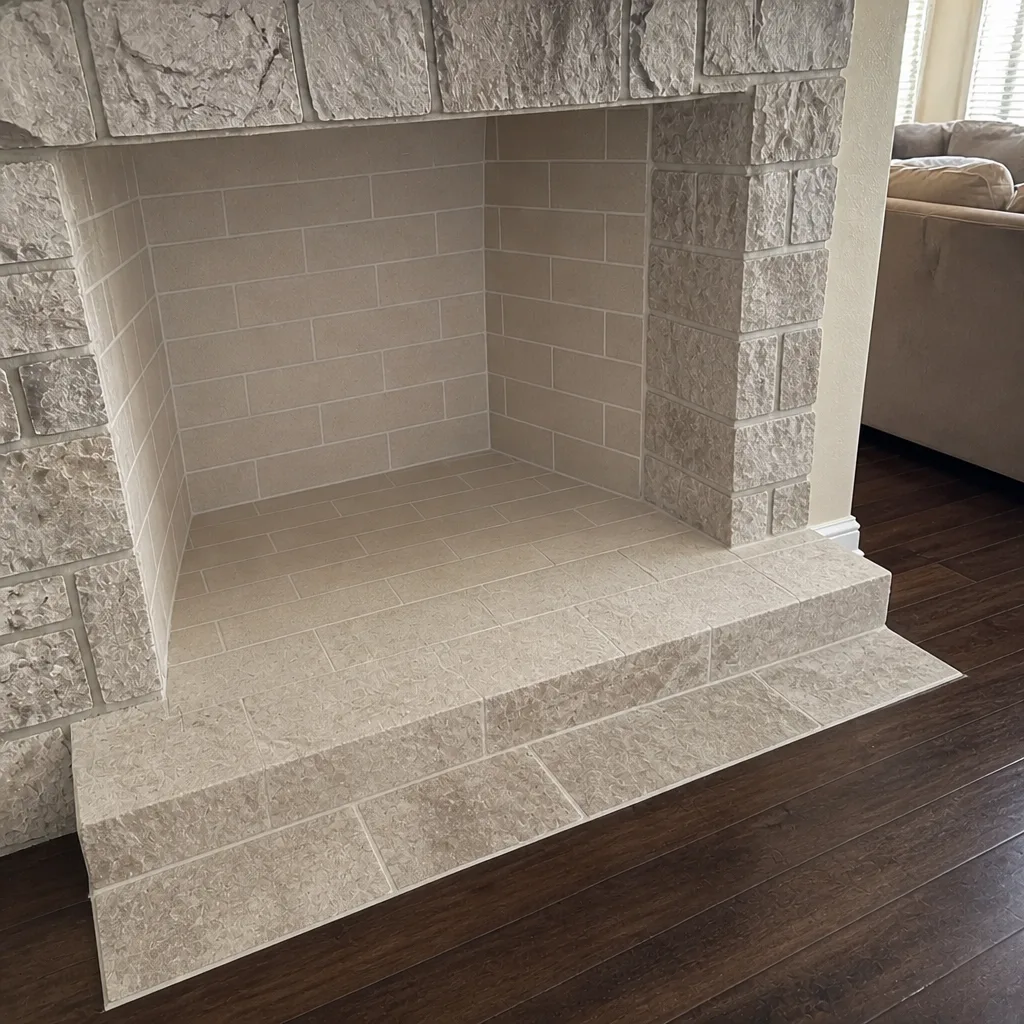
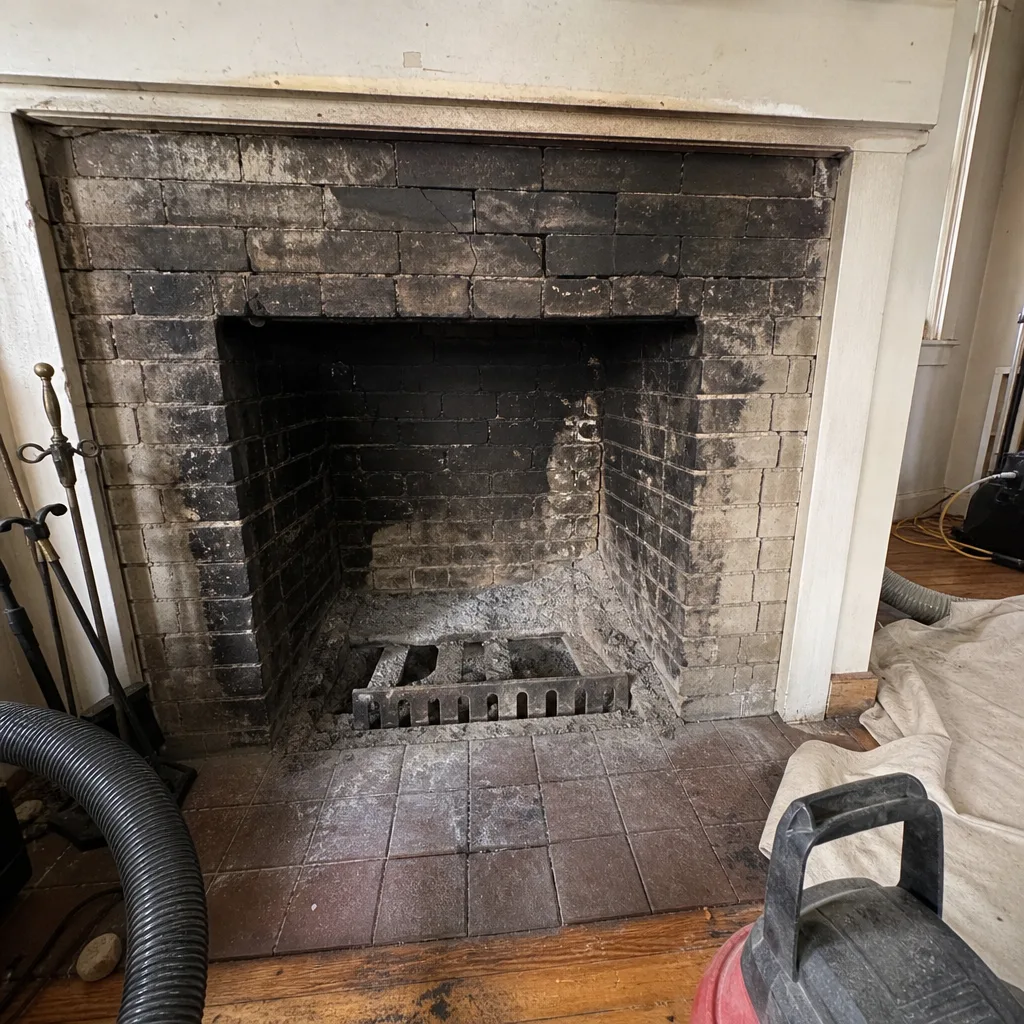
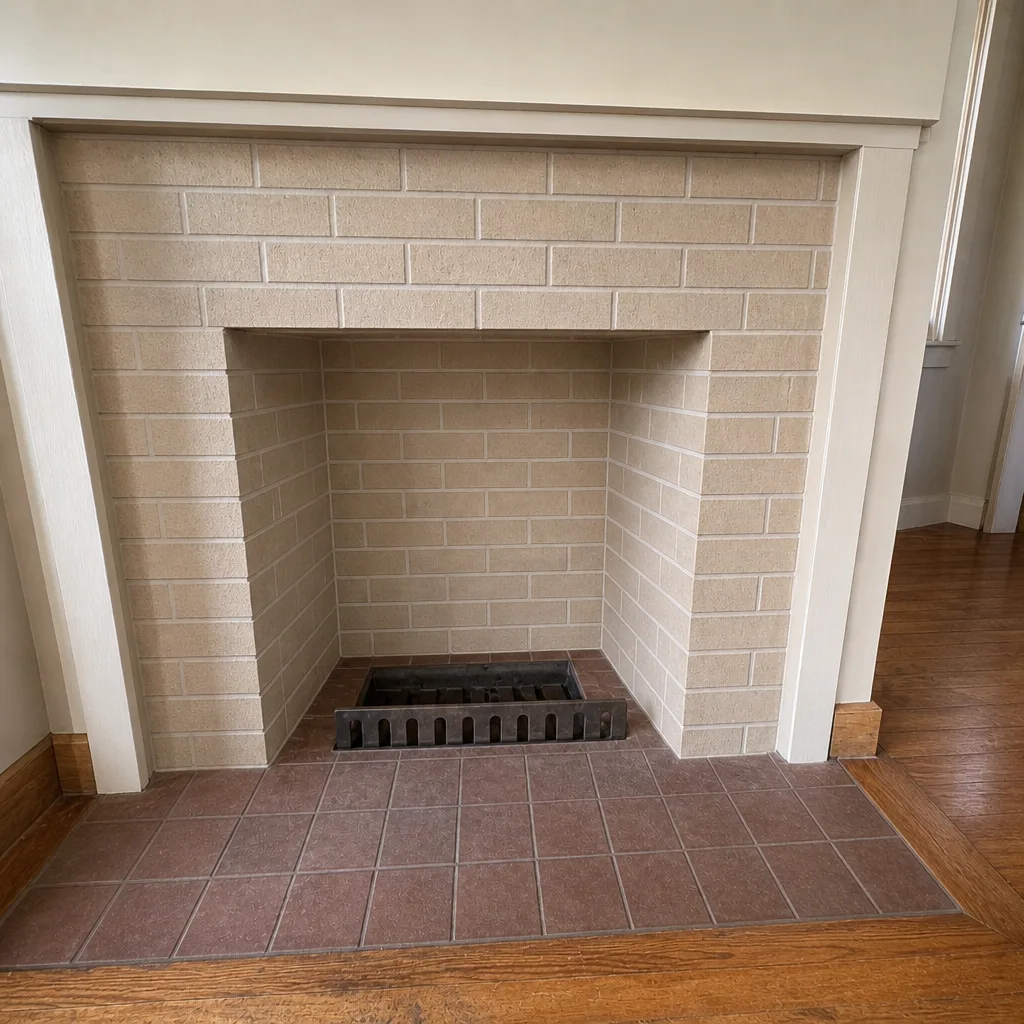
See the difference
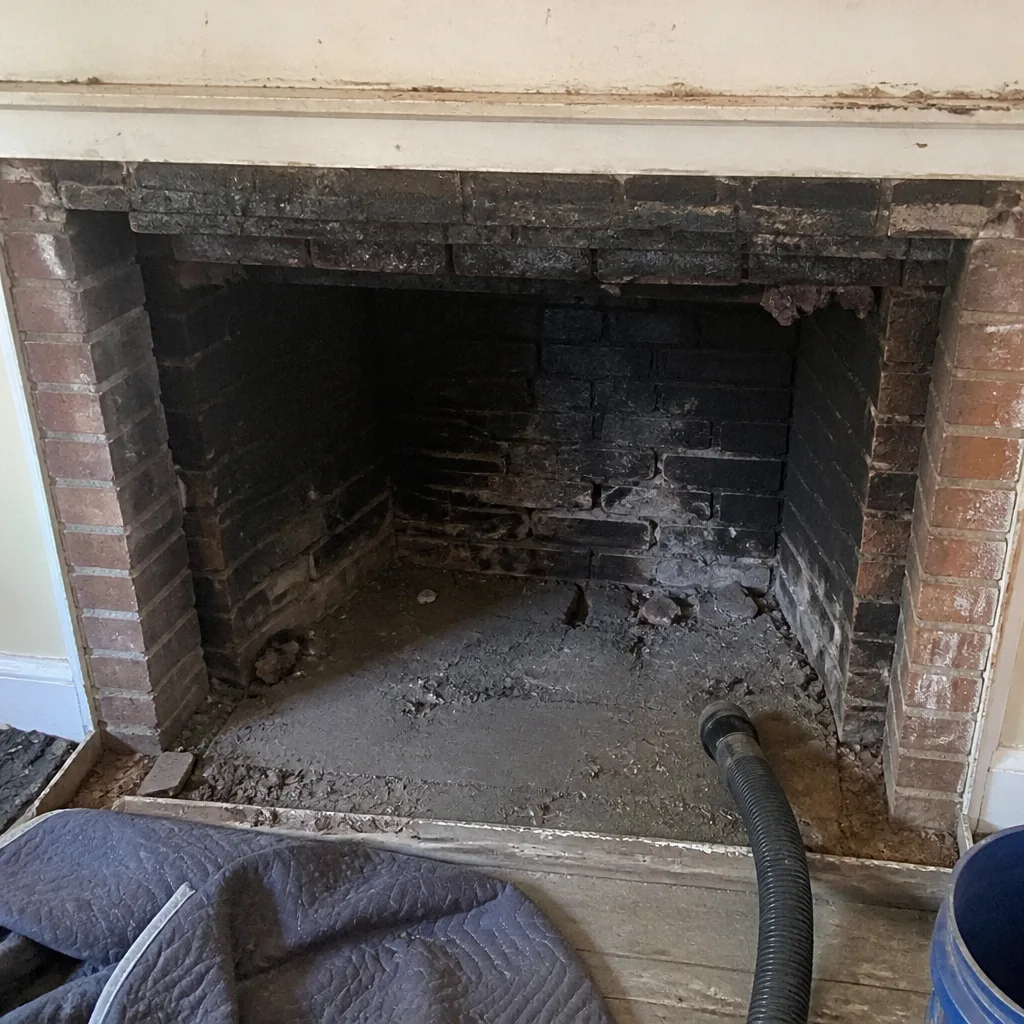 Before
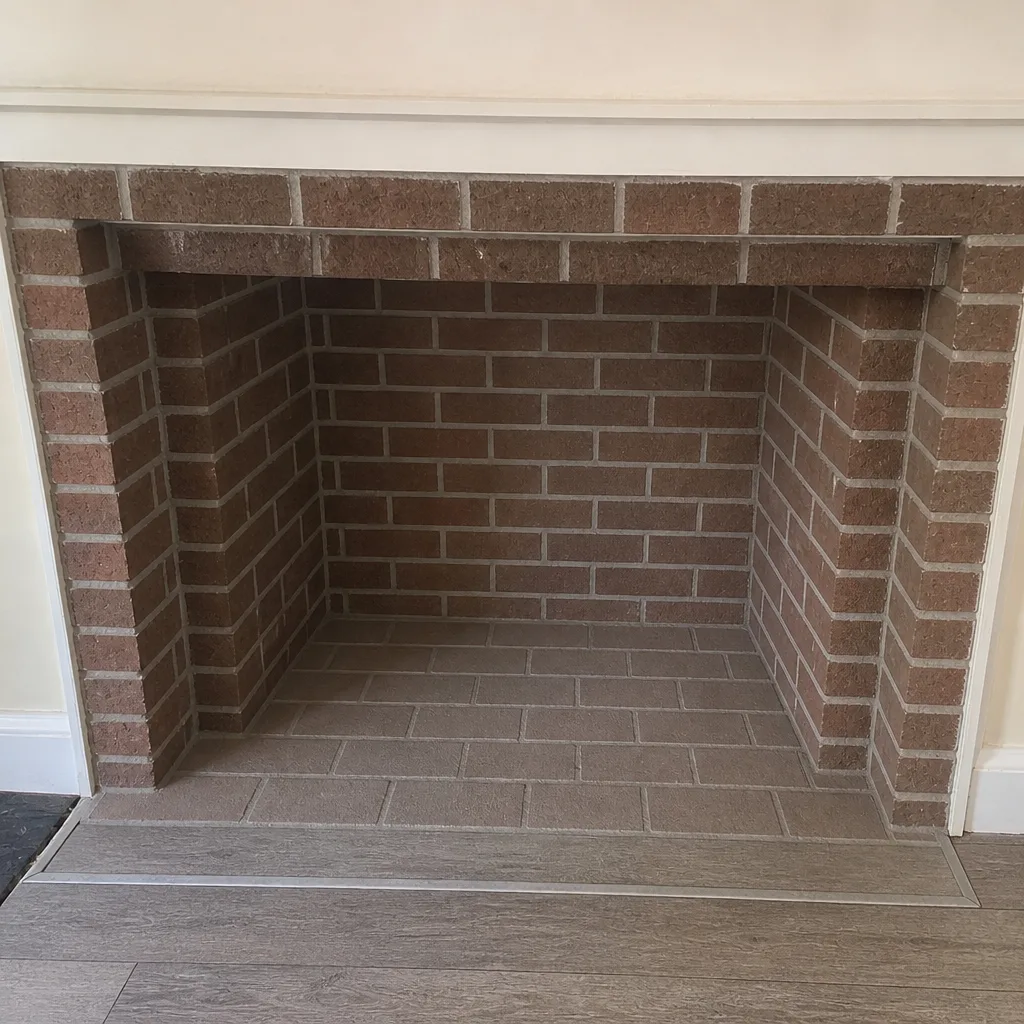 After
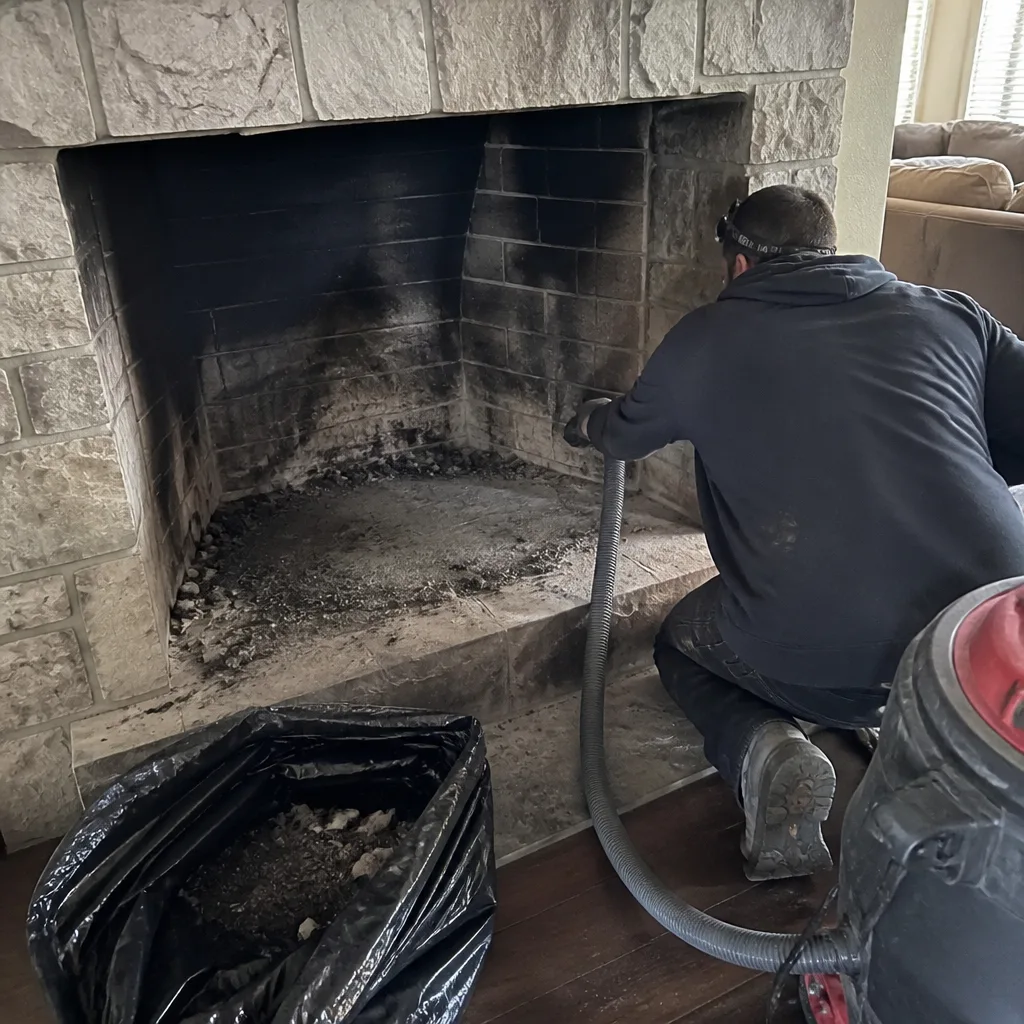 Before
 After
 Before
 After
When to Call a Professional
Call a professional chimney sweep when you’re due for an annual cleaning, when you’ve moved into a new home and don’t know the service history of the fireplace, when you notice draft problems, smoke backing into the room, or a strong odor from the firebox, or when you see dark staining around the chimney top or water marks on the interior masonry. You should also call after any chimney fire, any event that may have damaged the chimney structure, or any inspection flag from a home inspector or insurance company. If your wood-burning appliance has been burning slower or cooler than usual, that’s a sign to get the flue checked for creosote buildup.
Chimney Sweep Everett offers free estimates in Everett – call (888) 545-1163. Our technicians have up to 15 years of experience, and we handle sweep, inspection, and repair with the same team so there’s no hand-off gap between diagnosis and repair.
Frequently Asked Questions
Most chimney sweeps in Everett run in the range of a few hundred dollars for a standard single-flue cleaning, with inspection typically included or available as a modest add-on. Repair and relining are priced per job after inspection. Call (888) 545-1163 for an exact quote – estimates are free.
Not always. A liner should be replaced when a Level 2 camera inspection shows cracks, gaps, deterioration, or evidence that the existing liner no longer meets code for the appliance being used. If a company recommends a new liner without showing you the footage, ask to see it. Nothing should be recommended without camera evidence you can review for yourself. And sometimes the honest answer is that the liner is fine and the work can safely wait until the next scheduled inspection. Call (888) 545-1163 to schedule an inspection – estimates are free.
Once a year for most wood-burning appliances, or more often if you burn frequently or notice creosote buildup. The CSIA guideline is that a chimney should be swept when there’s a quarter-inch or more of creosote in the flue, and an annual inspection is the way to know when that threshold is reached. Actual frequency depends on what you burn and how often. Call (888) 545-1163 to schedule your sweep – estimates are free.
Creosote builds up on the flue walls and can catch fire, causing a chimney fire that may damage the liner or the masonry. Carbon monoxide is a separate risk, since a blocked or draft-compromised flue can push exhaust back into the home instead of out of it. Both problems are usually preventable with routine sweeping and inspection. Call (888) 545-1163 to book a sweep before burning season – estimates are free.
Washington State doesn’t mandate CSIA certification to operate a chimney sweep business, but a Washington State Department of Labor & Industries contractor registration is required, and you can verify it online. CSIA certification is a voluntary credential that indicates technical training and knowledge that goes beyond a state registration. Ask for it anyway – the companies that hold it are usually the ones who take the work seriously.
Chimney Sweep Everett is a dedicated chimney specialist serving residential homeowners in Everett and surrounding areas. We handle sweeping, inspection, and repair with the same team, using professional-grade brands including DuraFlex, HeatShield, Copperfield, and Olympia Chimney. Call (888) 545-1163 for a free estimate.
The Bottom Line
The most important thing you can do when hiring a chimney cleaning contractor in Everett is verify credentials before the appointment: CSIA certification, an active Washington L&I registration, and confirmation that the company performs full-service work (sweeping, inspection, and repair) rather than outsourcing the structural parts. The five interview questions in this guide will separate a specialist from a generalist in a single phone call. A written scope of work protects you from vague quotes, and a Level 2 inspection report with photos is the document that should drive every repair decision. Red flags in a quote are specific and easy to spot: unusually low prices, no camera, no report, no branded repair materials. Everett’s wet climate makes crown and flashing maintenance as important as creosote management. If you’re ready to book a sweep with a credentialed specialist, that’s what we do.
Call (888) 545-1163 for a free estimate. We answer 24/7. Fast dispatch from 7am to 7pm, Sunday through Friday. One team handles your sweep, inspection, and repair – no outsourcing, no gaps. We name the brands we use because the materials behind a repair matter as much as the labor: DuraFlex, HeatShield, Copperfield, and Olympia Chimney.
Written by the team at Chimney Sweep Everett.