
Last updated November 16, 2026
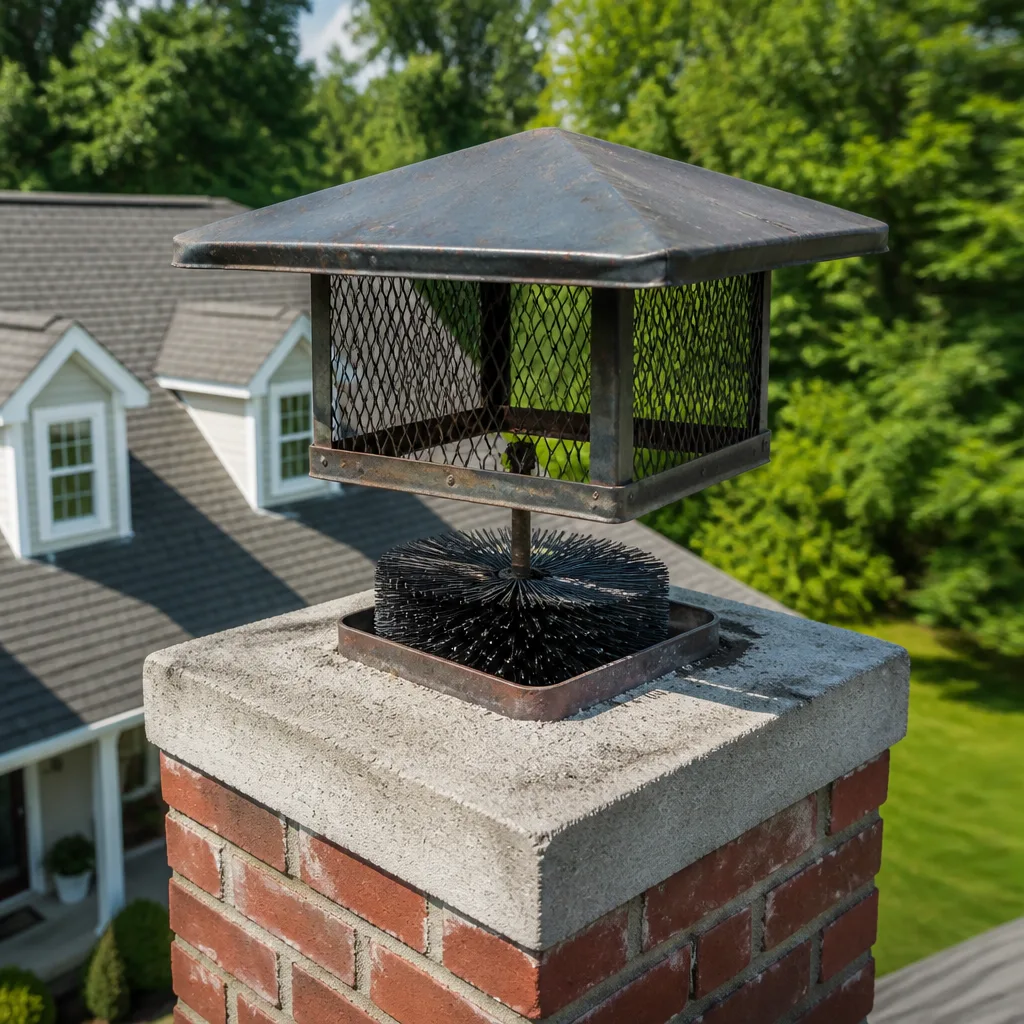 Sweep & inspection
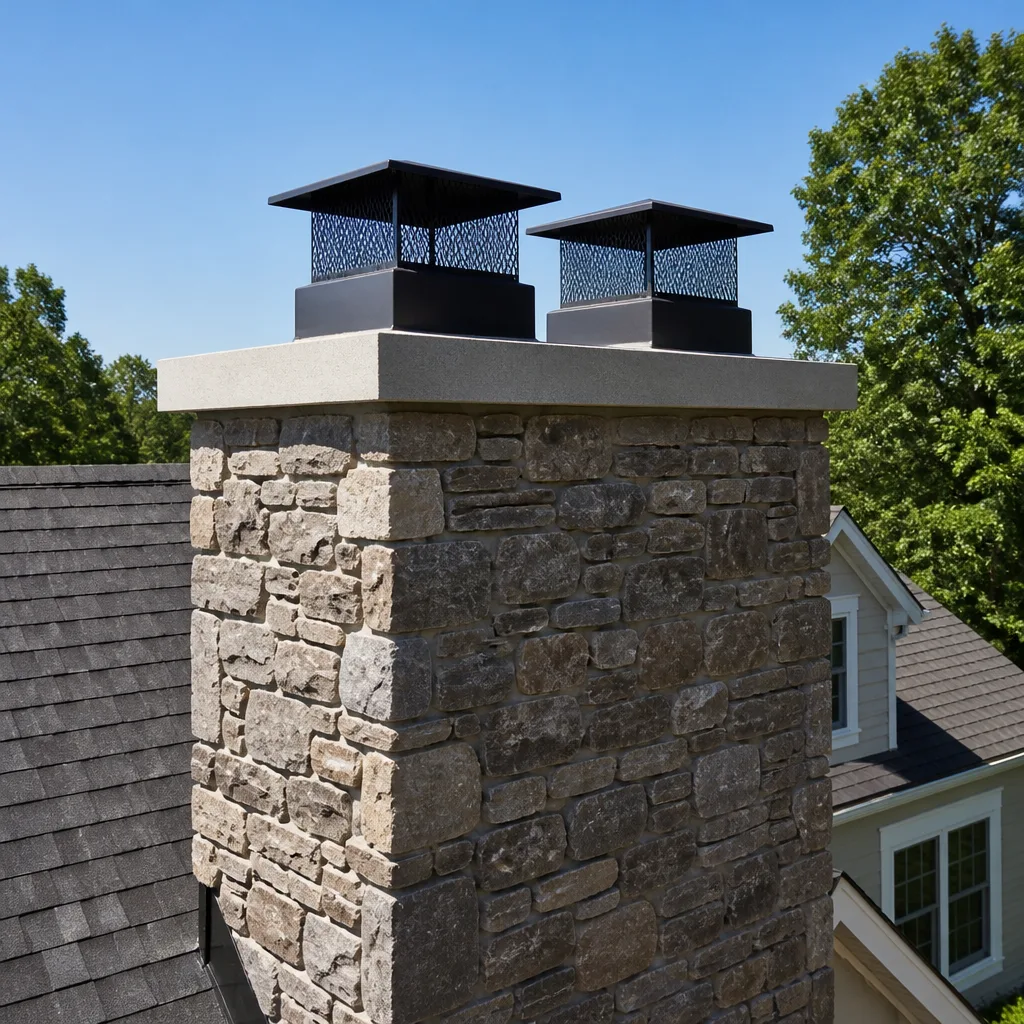 Caps & crowns
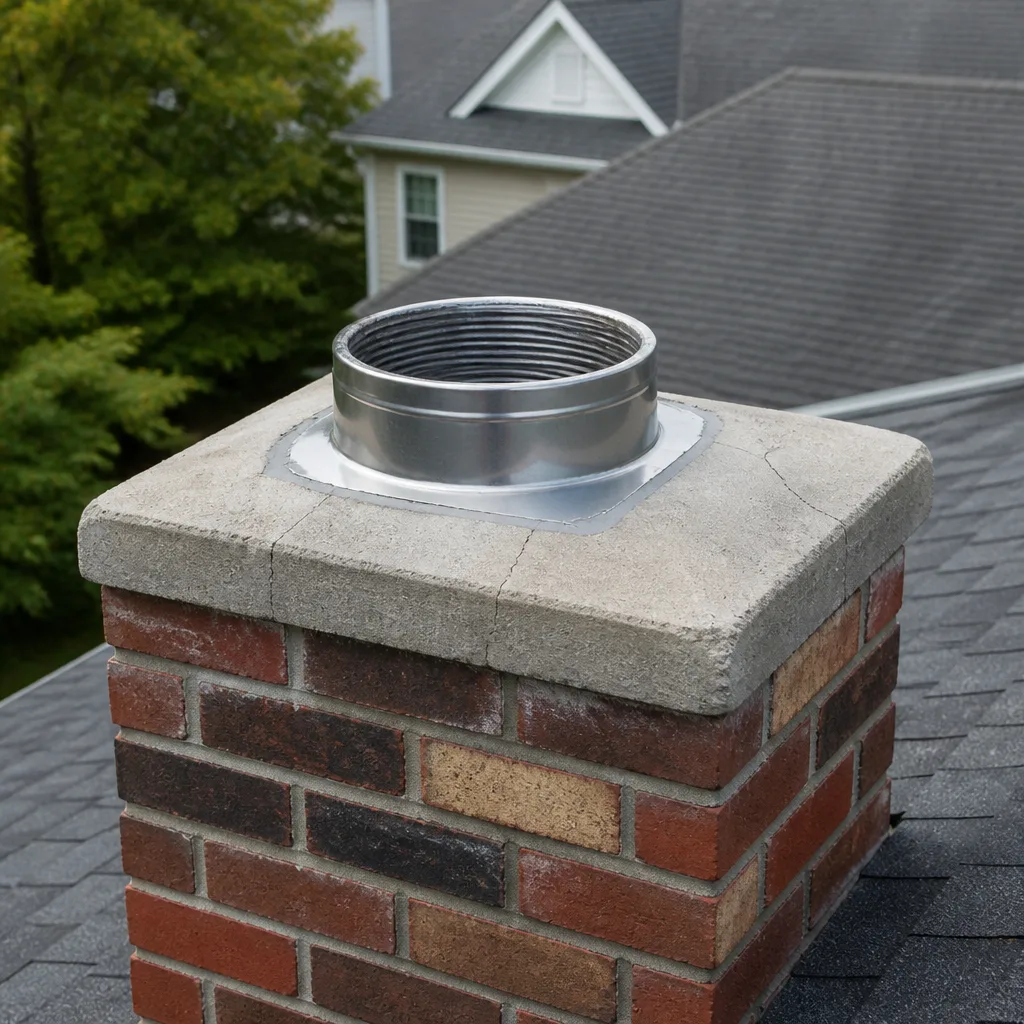 Flue relining
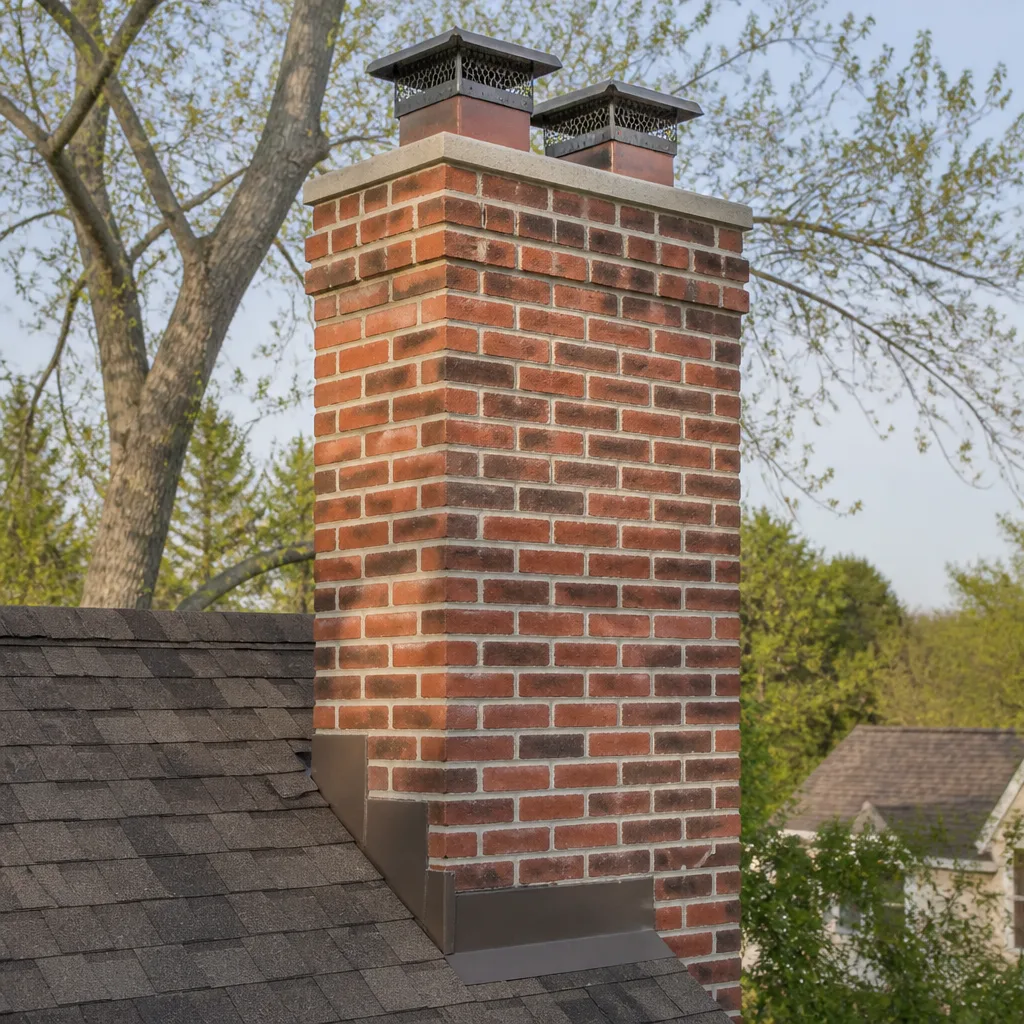 Masonry repair
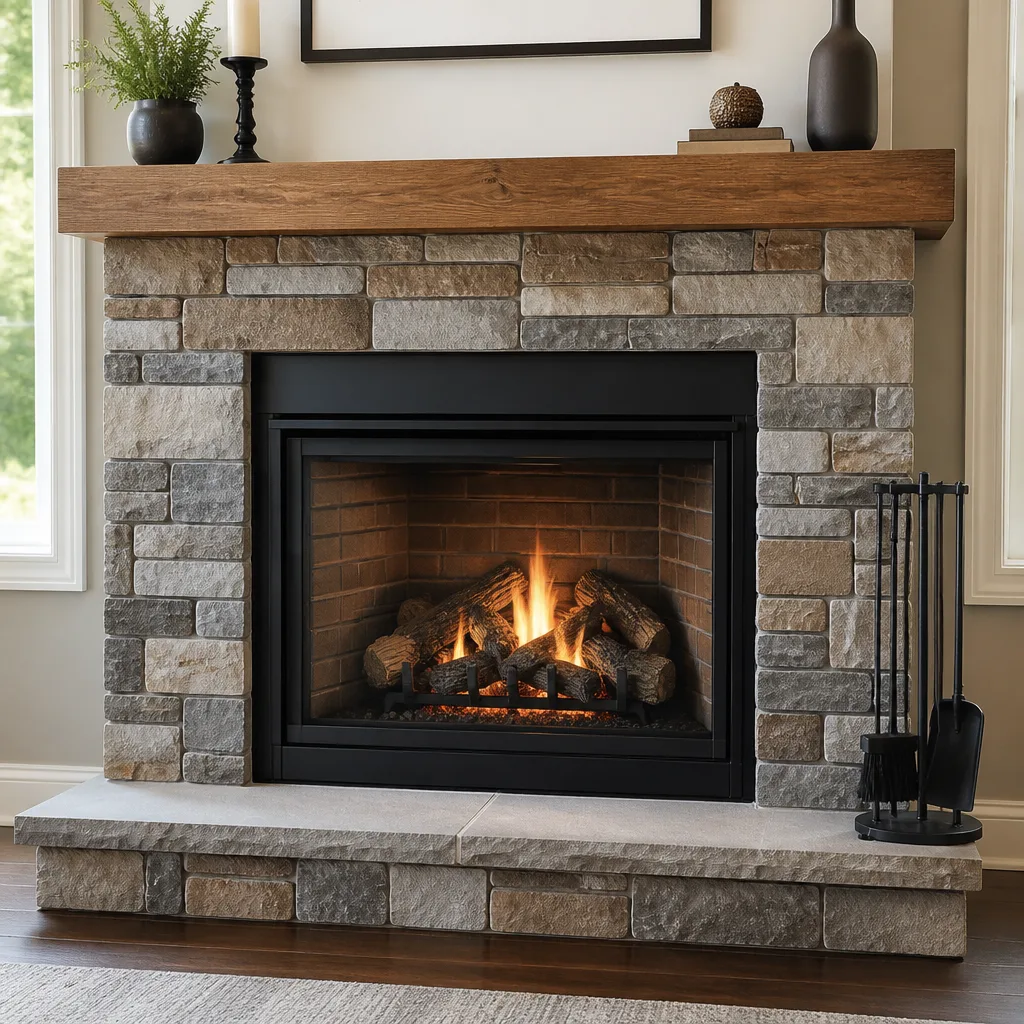 Gas fireplace service
Level 1 sweep and inspection to the NFPA 211 annual standard - flue, crown, cap, and flashing checked and photographed
Chimney sweep logs do not sweep chimneys. They loosen some creosote - which then falls where a brush and vacuum still have to collect it.
Chimney Cleaning Emergency Preparedness Guide for Everett Homes
Most homeowners think a chimney fire announces itself. It usually doesn’t. The dramatic version, with flames shooting from the chimney top and a roar you can hear from the street, is real but rare. The quiet version burns slowly in a flue lined with glazed creosote, produces almost no visible smoke, and can smolder for hours before anyone notices. Here’s the part that matters: by the time a fire is loud enough to hear, the heat has been building for a while. What you do in the first minute or two after you suspect a chimney fire decides how much of your Everett home is still standing when the fire department arrives. This guide covers what to do, what not to do, how to spot the difference between a chimney fire and a carbon monoxide emergency, and how to build an emergency plan that makes a fire far less likely in the first place.
Styles & brands we work with
- Sweep & inspection
- Caps & crowns
- Flue relining
- Masonry repair
- Gas fireplace service
Quick Answer
If you suspect a chimney fire in your Everett home: close the damper and every air inlet to the firebox, get everyone out of the house, and call 911 from outside. Do not pour water into the firebox and do not try to fight the fire yourself. After the fire department clears the scene, the fireplace stays out of use until a Level 2 inspection has been completed, per NFPA 211.
Table of Contents
- How Do You Recognize a Chimney Fire?
- What Should You Do in the First 90 Seconds?
- What Not to Do During a Chimney Fire
- Carbon Monoxide vs. Chimney Fire: Two Different Emergencies
- What Happens After the Fire Department Leaves?
- How Do You Prevent a Chimney Fire in Everett?
- Building a Family Evacuation Plan for Everett Homes
- Common Mistakes to Avoid
- When to Call a Professional
- Frequently Asked Questions
- The Bottom Line
How Do You Recognize a Chimney Fire?
A chimney fire usually presents one or more of the following signs. You don’t need all of them, and you don’t need to be certain before you act.
- Loud roaring or popping sounds coming from the chimney or inside the flue. This is the classic signature, and it often sounds like something moving through the stack rather than a normal fire.
- Dense smoke or flames visible at the chimney top. Smoke that looks thick, black, or gray-white and billowing can signal a hot fire in the flue.
- Intense heat from the firebox, chimney breast, or chimney pipe. The wall behind or beside the chimney should never be too hot to hold your hand against. That’s a red flag even without other signs.
- A strong, tar-like or burning-plastic smell. Glazed creosote igniting gives off an acrid odor that’s different from a normal wood smell.
- Black smoke or creosote flakes on the roof or ground near the chimney cap. This often shows up after a fire has already happened.
Here’s the reality in Everett: the vast majority of the wood-burning homes we inspect burn alder, fir, and maple, all of which deposit creosote at different rates depending on moisture content and burn temperature. A flue with a heavy, glazed creosote layer can catch with almost no warning. The smell test matters as much as the visual one. If your home smells like someone is burning plastic or roofing tar and there’s no obvious source, get everyone out and call for help.
Smoke coming from an open firebox is normal during a burn. Smoke that pours back into the room when the damper is open, or that accumulates visibly on the ceiling, can indicate a blocked flue or a draft reversal. Either way, stop burning and schedule a professional inspection. A Chimney Sweep Everett visit is the right first call.
What Should You Do in the First 90 Seconds?
These are the steps in order. Every adult in the household should know them before there’s a fire.
- Close the damper and every air inlet. This starves the fire of oxygen and is the single most effective thing you can do to limit how hot it gets. Close glass doors too if the fireplace has them.
- Get everyone out of the house. Leave the doors and windows closed behind you. Smoke and fire spread faster when there’s airflow.
- Call 911 from outside. Tell them you suspect a chimney fire. Do not re-enter the house for anything.
- Watch for fire spreading to the roof or attic. If you see smoke or flames coming from beyond the chimney cap or through the roof, tell the 911 dispatcher, and move further away.
- Stay outside until the fire department clears the scene. Even a small flue fire can smolder in joist spaces long after the visible smoke stops.
One point often missed: if you have a wood stove or insert with a bypass damper, close that too. In Everett, a lot of the inserts in older homes are installed in converted fireplace openings, and the air controls aren’t always where people expect. Know your specific stove’s controls before you need them. And if you’re burning when the power goes out during a winter storm, your stove may be the only heat source in the house. That’s exactly when it’s easiest to ignore a strange smell or sound because the alternative is cold. A fire is worth being cold over.
What Not to Do During a Chimney Fire
The wrong reaction can turn a contained flue fire into a fire in your living room. The biggest errors share a common thread: people try to fight it themselves when the right move is to close it and leave.
- Don’t pour water into the firebox. Water hitting a firebox or flue at high temperature can produce a dangerous steam explosion and can crack cast iron and mortar joints. Leave water to the fire department.
- Don’t open the damper or glass doors to “check” on it. Every time you open an air inlet, you feed the fire oxygen. Close it and keep it closed.
- Don’t try to climb up and inspect the cap. No ladder work near a burning chimney. The roof structure may be compromised without warning.
- Don’t assume it’s out because the roaring stopped. A fire can drop from a roar to a smolder and still be burning in the flue’s creosote layer. Treat it as active until the fire department says otherwise.
- Don’t go back inside for belongings. No object is worth the risk. This matters more in multi-story Everett homes with attached garages, where fire can move through shared structural spaces faster than you’d expect.
- Don’t restart the fire after the event. Even a small fire can compromise the pipe joints, the damper mechanism, or the liner. The fireplace stays cold until an inspection confirms it’s safe.
This is where professional chimney repair matters, and it’s why we name the materials we use. Damaged flue tiles and compromised pipe joints require more than a patching product. A damaged flue can’t be painted over and called fixed. When the fire department is gone and you’re left with what needs replacing, that job involves materials like DuraFlex and HeatShield. In our experience, a proper inspection finds damage that a visual walk-through never would.
Carbon Monoxide vs. Chimney Fire: Two Different Emergencies
A carbon monoxide event and a chimney fire are not the same emergency and don’t get the same response. Conflating them can cost you time, and during a CO leak, time is the resource you have least of.
What makes them different
A chimney fire is a combustion event. Heat and smoke are the immediate hazards. A carbon monoxide emergency is a poisoning event. CO is colorless and odorless, so the symptoms are your only warning if you don’t have working CO alarms. Symptoms of CO exposure include headache, dizziness, nausea, confusion, and in higher concentrations, loss of consciousness.
What you do for each
- Chimney fire: close the damper and air inlets, evacuate, call 911 from outside. The fireplace stays out of service until inspection.
- CO alarm sounds: get everyone, including pets, outside immediately and call 911 or your gas utility’s emergency line. Don’t ventilate the house first and don’t stay to find the source. Ventilation destroys the evidence firefighters and utility crews use to locate the leak.
- Someone showing CO symptoms: this is a medical emergency in addition to a home safety issue. Call 911 and tell them you suspect carbon monoxide exposure.
Where the two overlap is the cause. A blocked or compromised chimney can vent combustion gases back into the home instead of out the top. That’s one reason a failed flue is never just a draft problem. It’s a safety event waiting to happen. If your CO alarm has gone off and the source is unclear, don’t wait for a scheduled sweep. Get it inspected. The chimney repair work that follows a CO event starts with a full inspection of the flue, the connections, and the appliance.
What Happens After the Fire Department Leaves?
The fire department clears the scene when the fire is out and the structure is safe to enter. That’s not the same thing as “the chimney is safe to use.” NFPA 211 standards are specific on this: after any chimney fire, the appliance and flue need a Level 2 inspection before the fireplace is returned to service. A Level 2 inspection includes a video camera scan of the flue interior, access to concealed areas, and a look at the connections and the surrounding structural elements where fire or heat can hide. A basic visual check from the hearth doesn’t cover it.
What a Level 2 inspection after a fire typically evaluates:
- The condition of the flue lining. Tile, cast-in-place, and steel liners all show heat damage differently, and glaze cracking can be invisible from the firebox.
- Joints and seams, especially in prefabricated metal chimneys, where gaps open up at high temperatures.
- The appliance connection and the damper assembly.
- Chase and framed construction around the chimney, including any pyrolyzed wood where heat has baked structural material to the point where it can ignite.
- The cap, crown, and flashing at the roof line.
In our experience, the biggest mistakes homeowners make after a chimney fire happen in the days that follow. They relight the fire because the firebox looks fine, or they patch the outside and call it repaired. If the inspection shows a compromised liner, the fix is relining with a fitted system such as DuraFlex or rebuilding the damaged section. A camera inspection and photo report included with the service means you see what the inspector sees. That’s how you know the recommendation is based on the flue, not on a sales target.
How Do You Prevent a Chimney Fire in Everett?
Prevention is the emergency plan. A chimney fire needs fuel, and in a wood-burning flue the fuel is creosote, the flammable residue left behind by incomplete combustion. The only way to keep a flue from accumulating it to dangerous levels is regular cleaning. The industry standard from NFPA 211 is that chimneys be cleaned and inspected annually, and more frequently if the appliance is used heavily.
What actually reduces chimney fire risk in an Everett wood-burning home:
- Learn how often your flue builds creosote. A home that burns seasoned wood hot in a well-drafted flue might need a sweep every year. A home that burns less-than-seasoned wood, does a lot of low smoldering fires, or heats with wood as its primary source might need it more often. The sweep tells you which group you’re in.
- Burn dry wood. Seasoned wood burns hotter and cleaner. Damp wood produces more creosote and less heat. This is not a small difference in a flue that’s already got a coating.
- Avoid long, smoldering overnight burns. Low-smolder fires are one of the fastest ways to build glazed creosote. The burn overnight strategy that worked for a drafty old stove is a hazard in a modern appliance or insert.
- Keep the chimney cap clear. Debris at the cap doesn’t just block draft. It’s also a fire risk when embers are flying.
- Keep the annual inspection on the calendar. A chimney sweep is the routine visit; an inspection is the check that looks for structural issues the sweep alone doesn’t catch.
Everett sits in a climate where the burn season is long, and the mild wet fall and spring encourage chimney use well outside the winter months. More burn hours per year means more creosote per year. The annual schedule is not a formality. It’s the whole plan.
Good cleaning doesn’t just reduce fire risk. It also gives a professional the chance to spot the deterioration that leads to relining. Materials like HeatShield are designed to address the flue’s structural condition, not just its surface, and knowing when a repair has crossed from “cleanable” into “needs relining” requires that full inspection. In our experience, homeowners who get the level 2 inspection every year catch problems early when they’re less expensive to fix.
Building a Family Evacuation Plan for Everett Homes
During a chimney fire, the people in the house need to know the exit plan without having to think about it. Minutes spent calling room to room or trying to remember where a flashlight is, are minutes the fire has. Build the plan before you need it:
- Pick two exits from each room. In Everett homes with second floors, the main stairway plus a window with a fire ladder is a sound approach. Make sure everyone, including guests, knows both.
- Choose a single meeting point outside. A spot in the front yard or on the sidewalk where everyone gathers is the simplest version. The meeting point should be far enough that if the roof catches, you’re still safe.
- Assign roles. One adult takes the kids. One adult calls 911. Know who handles pets. Never the reverse.
- Check smoke and CO alarms on the calendar. Chimney fires and CO leaks both give you warning time only if the alarms work. Test them the same time every year.
- Run the drill. Practice leaving the house with first responders called. It feels silly. It works.
One more thing for Everett specifically: if you’re on a hill with narrow residential streets or in a neighborhood where the driveway is long and walled, make sure 911 can find your house. Make sure the address numbers are visible from the street. Fast response depends on the address being findable. That’s part of being prepared, same as the damper.
Common Mistakes to Avoid
- Treating a strange smell as “just the stove.” An acrid, tar-like smell during a burn is a creosote signature, not a normal part of firing up. It means the flue needs attention, and it may mean the fire has already started in the creosote layer.
- Skipping the inspection because the sweep looked fine. A clean flue isn’t necessarily a sound one. The annual sweep removes creosote, and the inspection checks the condition. Confusing the two leaves structural damage undetected. Schedule the Everett services you need through a dedicated chimney specialist, not a generalist contractor who cleans and runs.
- Burning unseasoned wood “just this winter.” Soggy wood burns slow, smolders heavily, and builds glazed creosote faster than any other single habit. Every damp cord of wood is a faster path to a flue fire.
- Relighting after a flue fire before the inspection. This is the mistake that turns a contained event into a catastrophe. The flue that survived one fire has been weakened. The second fire finds the weak point.
- Ignoring a CO alarm because “it’s probably the batteries.” CO alarms have a limited service life and test buttons don’t detect CO, but a sounding alarm with a recent install date is a real event until proven otherwise. Get out, then diagnose.
- Patching the exterior and calling it repair. New crown, fresh mortar at the cap, new flashing. Visible damage gets patched, and the flue interior stays compromised. The exterior product isn’t the report. The inspection is.
- Hiring the cheapest sweep on the flyer. A chimney is a safety system, not a cleaning task. Cheap services sometimes skip the most consequential parts of the inspection. Fixing that later costs more than it saves. A flat-price sweep agreed before booking with the camera report included protects you and the flue.
When to Call a Professional
Some jobs belong to a chimney professional, and it’s not just about the cleaning. Call us if any of these apply: you’ve had a chimney fire, your CO alarm has sounded, you smell a burning odor with no obvious source, the wall near the chimney is hot, you see smoke in the house with the damper open, the inspection sticker is more than a year old, or your insurance company has flagged your chimney. We’ve seen all of these and handled each with the same approach: a thorough inspection, a clear explanation of what we found, and a recommendation you can act on. The fireplace stays out of service until we’ve confirmed it’s safe to use.
Chimney Sweep Everett offers free estimates in Everett. Call (888) 545-1163. We answer 24/7. Fast dispatch from 7am to 7pm, Sunday through Friday. Our technicians have up to 15 years of experience and use professional-grade materials from brands chimney specialists trust, including Olympia Chimney, Famco, and Gelco for weatherproofing and structural protection. One team handles your sweep, inspection, and repair with no outsourcing and no gaps between stages.
Frequently Asked Questions
A routine chimney sweep in Everett typically runs $180 to $280 depending on the flue’s condition and accessibility. Deeper cleaning or inspection work can run higher. We set pricing per job with a written estimate before any work begins. Call (888) 545-1163 for a free estimate.
Not always. A liner recommendation should be based on what the camera inspection shows. We won’t recommend relining unless the flue lining is cracked, detached, or otherwise compromised. If the flue is sound, the liner works fine and doesn’t need to be replaced. Ask for the camera evidence and see for yourself. Call (888) 545-1163 for a free estimate.
Most wood-burning homes in Everett should be swept and inspected annually, per NFPA 211, and more often if you burn heavily or burn wood that isn’t fully seasoned. A home that heats primarily with wood might need a sweep every six months. Call (888) 545-1163 for a free estimate.
Creosote accumulates. Over time, it hardens into a glazed layer that can catch fire, and the resulting chimney fire can reach 2,000°F. That kind of heat damages flue liners, can crack a masonry chimney, and can ignite the wood framing around it. Skipping the sweep is one habit that connects directly to fire risk. Call (888) 545-1163 for a free estimate.
No, not until a Level 2 inspection has been completed. The flue may look fine from the firebox but have cracked tiles or damaged joints that only a camera scan will show. Using it before that inspection risks a second fire in a weakened flue. Call (888) 545-1163 for a free estimate.
You can’t smell or see carbon monoxide, so a working alarm is your only reliable warning. If the alarm sounds or anyone in the house develops a headache, dizziness, or nausea with no other explanation, get outside and call 911. Don’t ventilate the house to “clear it out” before fire or utility crews arrive. Call (888) 545-1163 for a free estimate.
The Bottom Line
A chimney fire is a preparedness event, not just a cleaning failure. The homeowners who come through one safely have three things in place: an annual inspection schedule on the calendar, a family that knows to close the damper and leave, and a professional they trust to tell them the truth about what the flue needs. In Everett, where the burn season is long and the creosote adds up, those three things make the difference. If you’re not sure when your chimney was last inspected, that’s the signal to book. Call (888) 545-1163 for a free estimate. We answer 24/7. Fast dispatch from 7am to 7pm, Sunday through Friday.
Written by the team at Chimney Sweep Everett.
See the difference
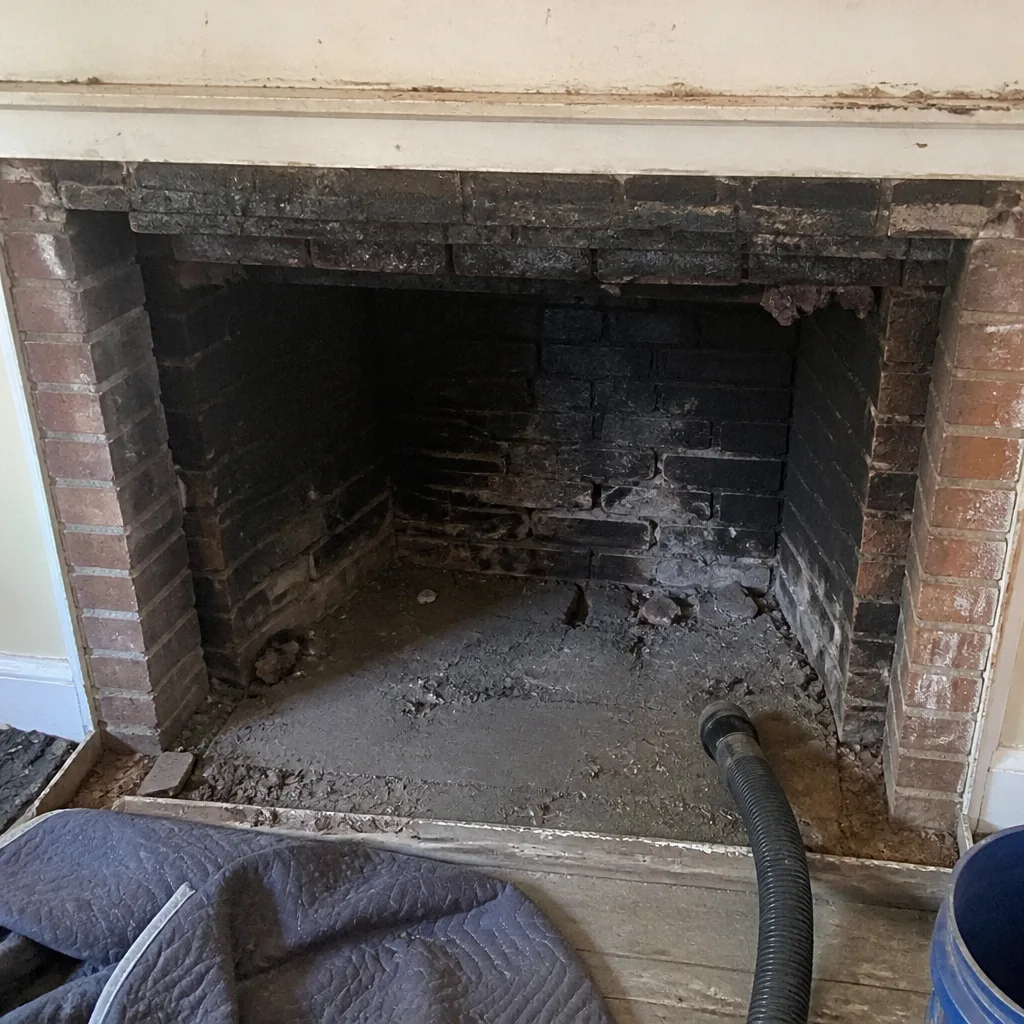 Before
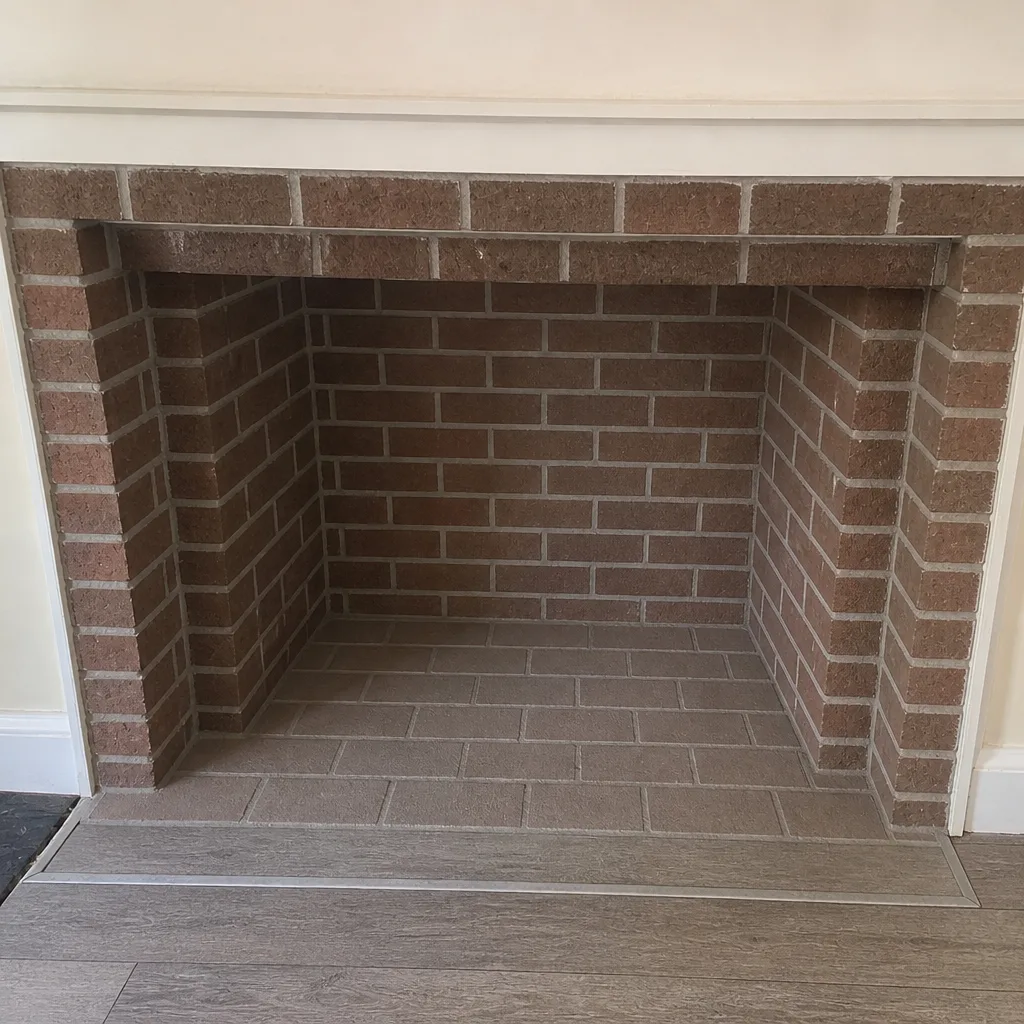 After
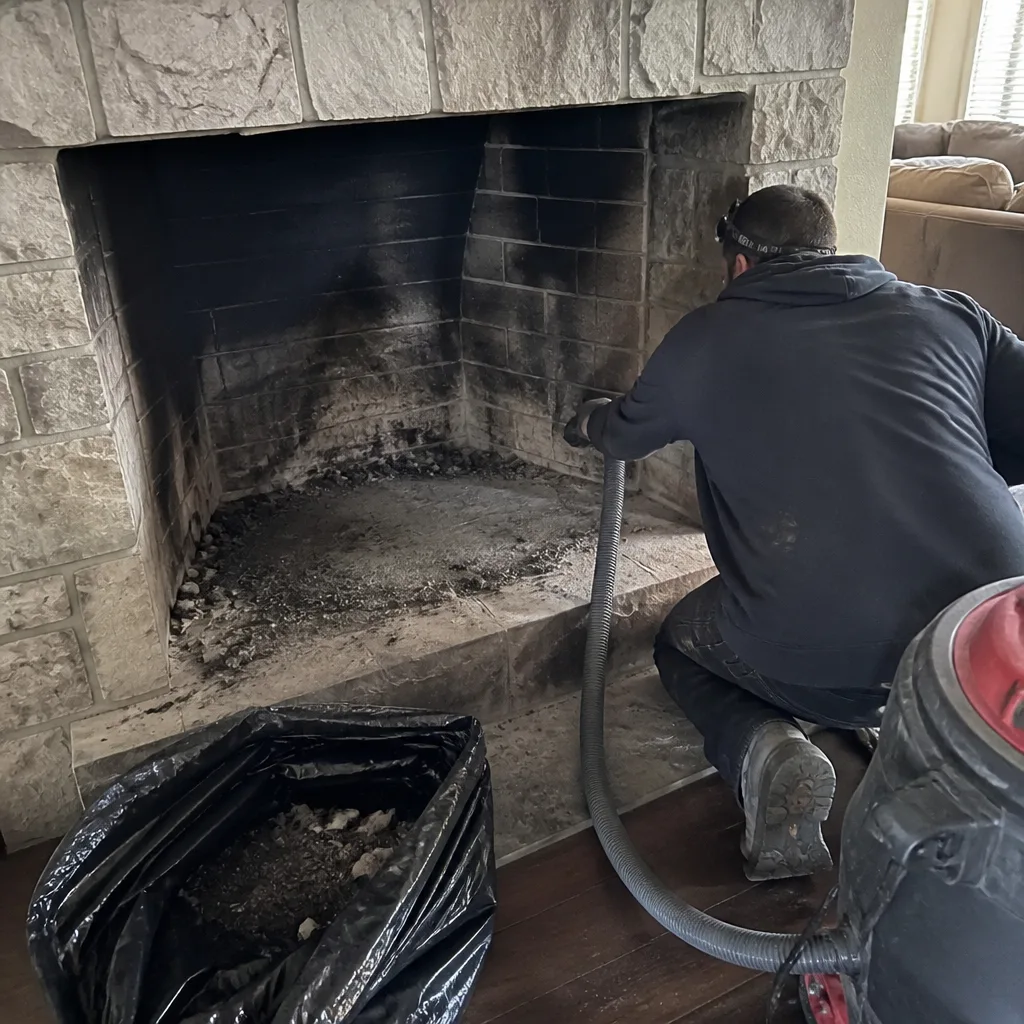 Before
 After
 Before
 After