
Last updated November 16, 2026
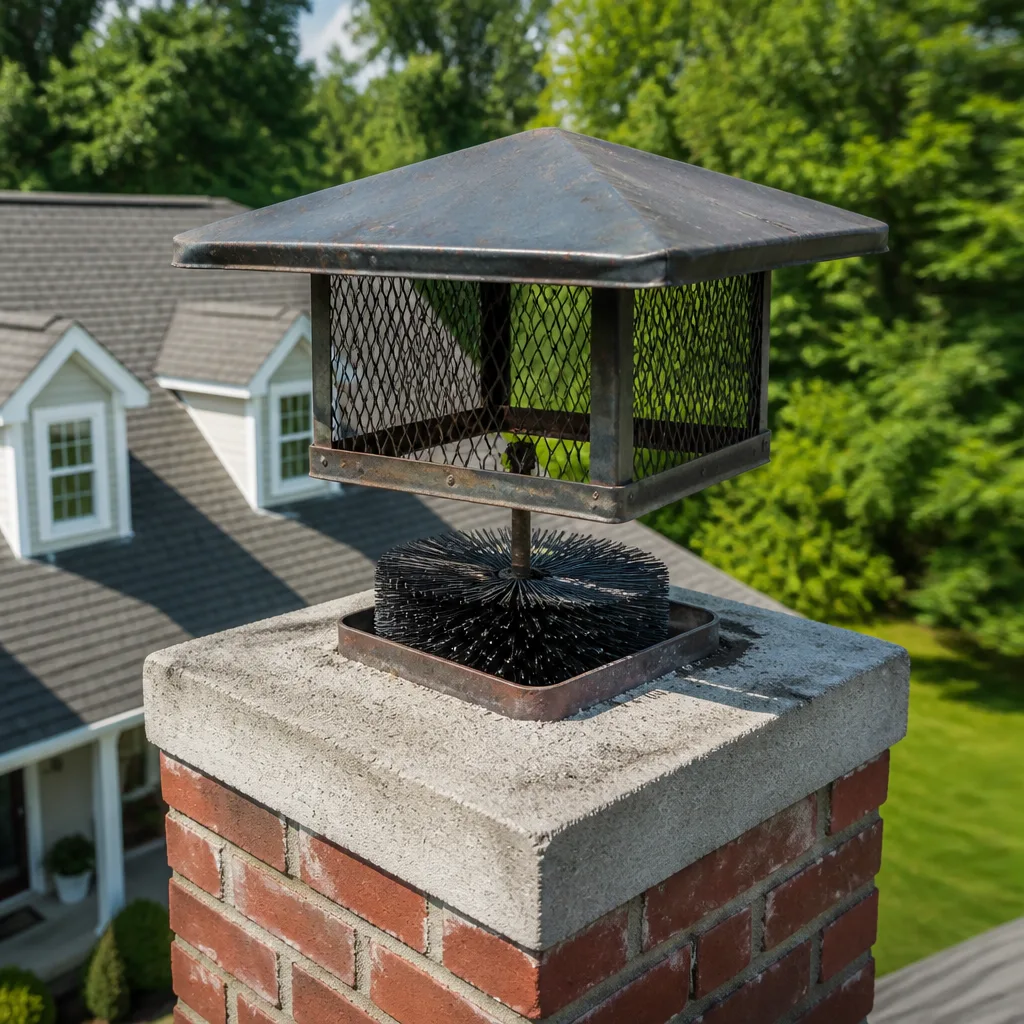 Sweep & inspection
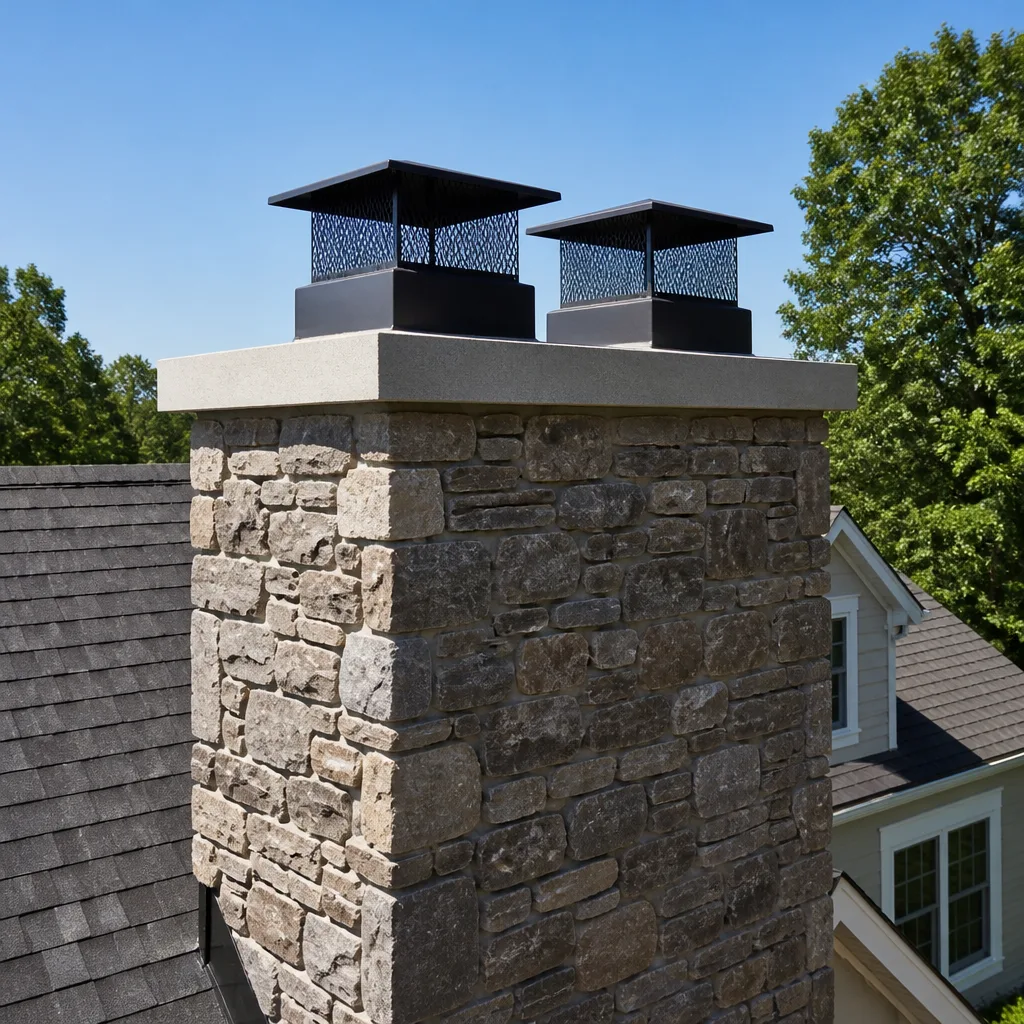 Caps & crowns
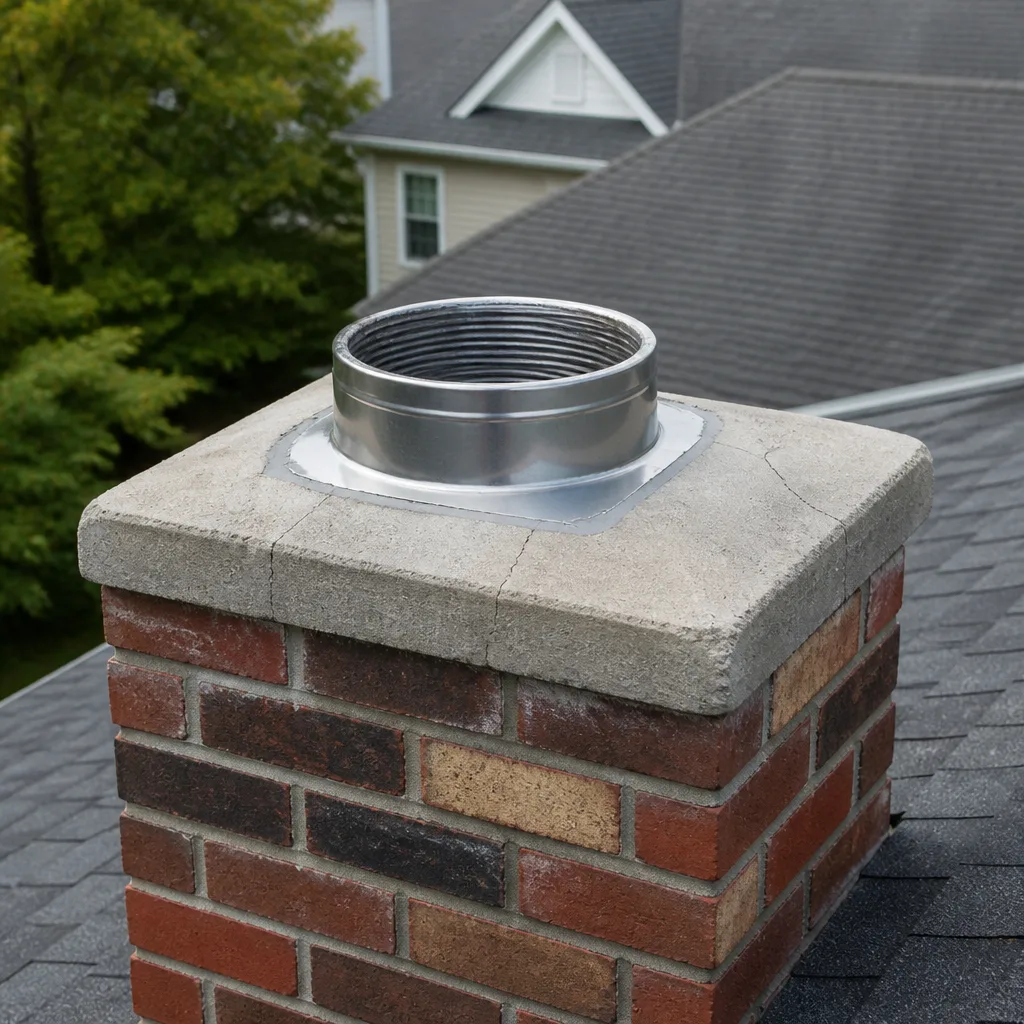 Flue relining
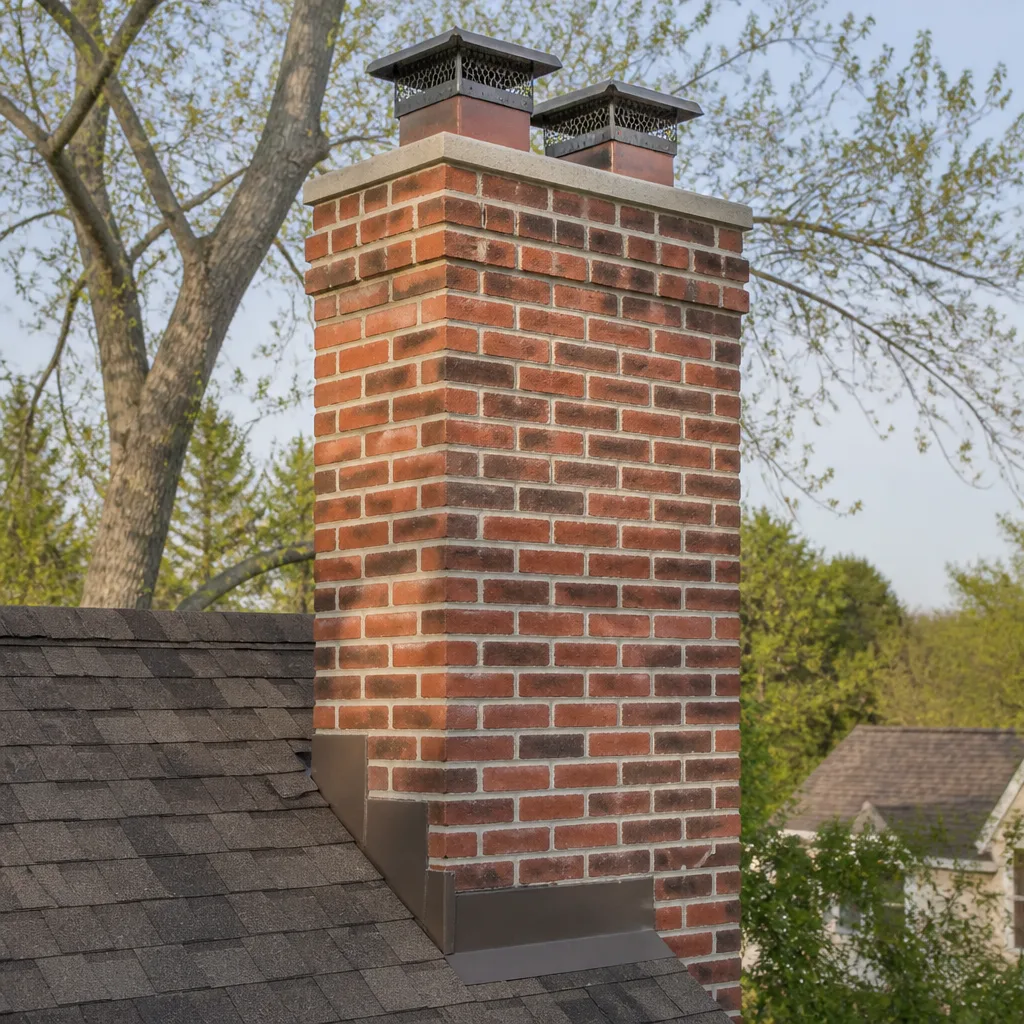 Masonry repair
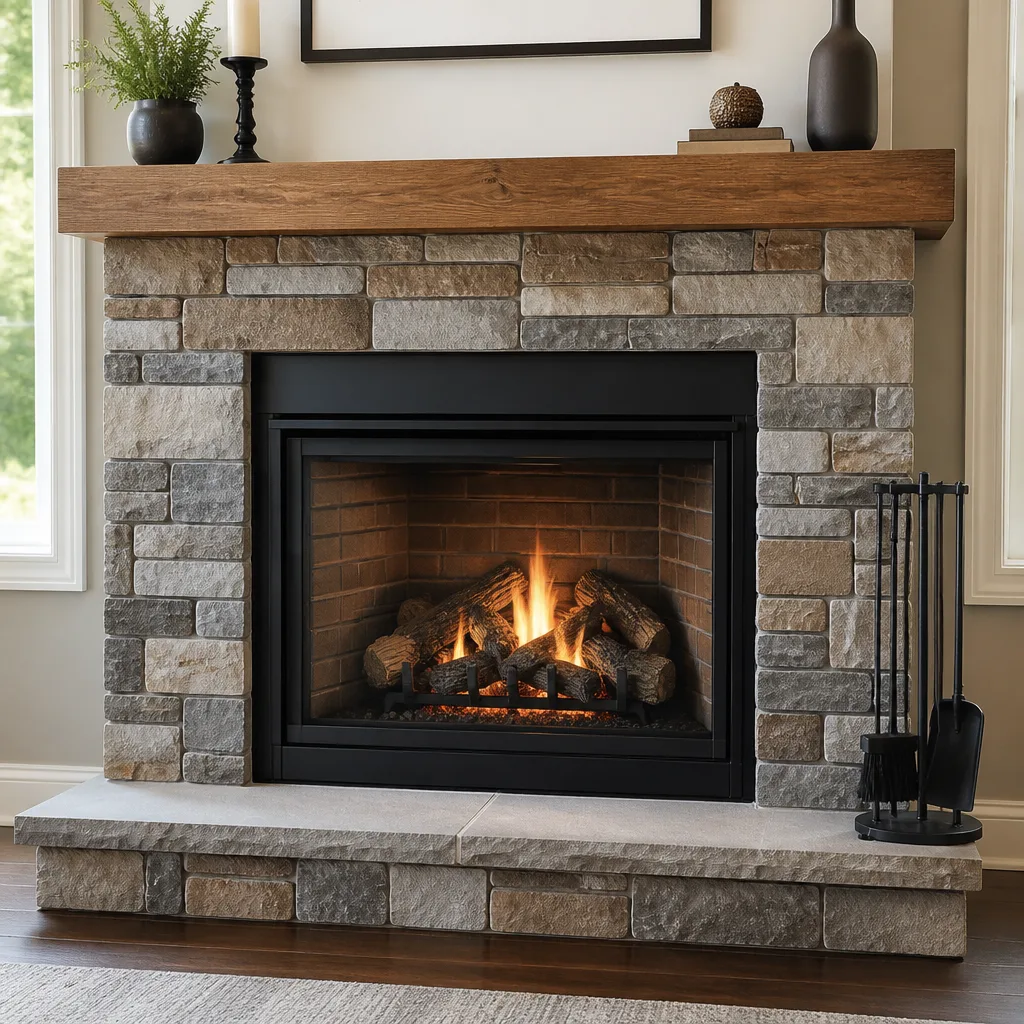 Gas fireplace service
Level 1 sweep and inspection to the NFPA 211 annual standard - flue, crown, cap, and flashing checked and photographed
Chimney sweep logs do not sweep chimneys. They loosen some creosote - which then falls where a brush and vacuum still have to collect it.
The Complete Guide to Chimney Cleaning in Everett
Most chimney guides are written for dry-climate fireplaces, and that’s the first thing to set aside if you live here. Everett averages 38 inches of rain a year, and all that moisture changes how creosote forms, how quickly masonry spalls, and when a chimney crosses the line from “needs a sweep” to “don’t light this yet.” A firebox that would stay serviceable for years in Arizona can develop glazed, tar-like creosote in a couple of Pacific Northwest seasons. This guide covers how chimney cleaning actually works in Everett’s climate, which local wood species leave which deposits, how inspections differ after a wind-driven rain storm, and where a real cleaning ends and a surface brush-off begins.
Quick Answer
Chimney cleaning in Everett means removing creosote, soot and moisture-driven deposits from the flue, smoke chamber and firebox, then verifying with a camera inspection that the liner is intact. Most Everett homes with a wood-burning fireplace need a sweep once a year, and homes burning alder or Douglas fir heavily often need it before the season starts rather than after. A proper cleaning uses rotary brushes and vacuum containment, not just a pass with a hand brush from the top.
Styles & brands we work with
- Sweep & inspection
- Caps & crowns
- Flue relining
- Masonry repair
- Gas fireplace service
Table of Contents
- Why Everett’s Climate Makes Chimney Cleaning Different
- How Pacific Northwest Weather Accelerates Creosote Formation
- Wood Species Common in Western Washington and Their Creosote Profiles
- Level 1, Level 2 and Level 3 Inspections: Which One You Need
- Wood Inserts vs. Open Masonry Fireplaces: Different Cleaning Intervals
- What a Real Cleaning Includes (and What a Surface Sweep Skips)
- How Often Should You Clean Your Chimney in Everett?
- What You Can Check Yourself and When to Stop
Why Everett’s Climate Makes Chimney Cleaning Different
Everett sits in a wet, cool pocket of the Pacific Northwest, and that has direct consequences for chimney health. The combination of 38 inches of annual rain, long damp winters and frequent temperature swings between cold nights and milder afternoons creates a cycle of wetting and drying that masonry doesn’t tolerate well. Water soaks into brick and mortar during a week of rain, then a dry spell pulls moisture back out through the surface, and each cycle leaves a little more salt deposit and a little more spalling behind.
Inside the flue, the same climate works against you in a different way. A chimney that stays cool and damp between fires doesn’t burn off the soft, flaky creosote that forms early in the season. Instead, that first layer sits, absorbs ambient moisture, and becomes the sticky base that later fires bake into glazed creosote. In a dry climate, you get more chances to clean that soft stage away. Here, the window closes faster.
There’s a third factor specific to how Everett homes are used. Many fireplaces sit idle through the warmer months, then get lit heavily in October and November when the first cold snap arrives. That pattern – long dormancy, then sudden heavy use – is exactly the one that produces the hardest creosote, because the first fires of the season burn on a cold, damp flue and don’t draft cleanly.
What this means practically:
- Schedule cleaning before the burning season, not after. A sweep in late summer or early fall clears last year’s deposits before they get baked harder by the first cold-weather fires.
- Expect masonry and mortar to show weathering earlier here than in drier regions, especially on the north and west faces of a chimney that get less sun.
- Pay attention to the cap and crown. A failed crown lets Everett rain straight into the flue, which is the fastest route to a rusted liner and interior spalling.
When we inspect chimneys in Everett, the pattern is consistent: the flue tells you how the chimney has been used, and the exterior tells you what the weather has done to it. Both matter for a complete picture.
How Pacific Northwest Weather Accelerates Creosote Formation
Creosote forms in three recognizable stages, and Everett’s damp, cool conditions push a chimney through them faster than most homeowners expect.
Stage 1: Soft, flaky creosote
This is the fresh deposit that forms after a handful of fires. It’s soot-heavy, crumbly and easy to brush away. In a dry climate, this stage can last most of a season. Here, it tends to be short-lived, because the moisture in the flue and the uneven burn temperatures of a cold start turn it sticky quickly.
Stage 2: Sticky, tar-like creosote
This is where Everett chimneys diverge from the dry-climate playbook. The cool, humid air that lingers in a flue between fires keeps the creosote soft enough to absorb more unburned gases on the next fire, then firm enough to hold them. The result is a layered, tar-like coating that clings to the flue walls and resists a standard brush. It’s also the stage where draft starts to suffer, which makes the next fire burn dirtier, which adds more deposit.
Stage 3: Glazed, hardened creosote
Glazed creosote is the dense, shiny, fuel-rich coating that’s hardest to remove and most associated with chimney fire risk. It forms when Stage 2 deposits get repeatedly heated and cooled without being cleaned. In Everett, the long damp shoulder seasons and the sudden heavy use in late fall create exactly the heating-and-cooling pattern that hardens creosote into this stage. Once it’s glazed, a standard rotary brush won’t fully remove it, and that’s when a chemical treatment or more involved liner work comes into the conversation.
The takeaway for Everett homeowners isn’t complicated: the deposit that forms here has less time at the easy-to-remove stage. Getting a chimney sweep done before the season starts keeps the flue from carrying a soft layer into the cold months, where it hardens instead of clearing.
Wood Species Common in Western Washington and Their Creosote Profiles
What you burn matters as much as how often you burn it, and Western Washington’s firewood is different from what most national chimney guides assume. The three woods Everett homeowners burn most – alder, Douglas fir and big-leaf maple – each leave a distinct deposit pattern.
Alder
Alder is the most common firewood in the region, and it’s a soft hardwood that burns hot and fairly clean when it’s properly seasoned. The catch is moisture content. Alder holds water readily, and if it’s burned before it’s fully dry, the extra moisture cools the flue gas and encourages the sticky Stage 2 creosote that plagues Everett chimneys. Seasoned alder burned hot is a good choice. Wet alder is one of the fastest ways to build a tar layer.
Douglas fir
Douglas fir is a softwood with a high resin content. It ignites fast, burns hot, and produces more creosote than alder when burned slow or smoldered. It’s excellent for getting a cold flue up to temperature quickly, which actually helps in Everett’s damp conditions, but it’s a poor choice for long, low overnight burns. The resin-heavy smoke condenses on a cool flue wall and leaves a hard, dark deposit that builds quickly.
Big-leaf maple
Big-leaf maple is a dense hardwood that burns long and hot with good coal formation, and it produces less creosote per cord than fir. It’s the wood most likely to leave a manageable Stage 1 deposit if it’s dry. The problem is that maple needs a full season or more to season properly, and under-seasoned maple behaves like wet alder.
A simple rule for Everett: dry wood, hot fires, and don’t smolder. If the wood hisses or the ends feel cool and damp, it isn’t ready, and burning it will cost you more in cleaning than it saves in firewood.
Level 1, Level 2 and Level 3 Inspections: Which One You Need
The National Fire Protection Association’s standard 211 defines three inspection levels, and knowing which one applies saves you money and tells you what you’re actually paying for.
Level 1 Inspection
A Level 1 is the basic visual check of readily accessible portions of the chimney, firebox and connector. It’s what’s appropriate when the chimney is in continuous service, hasn’t changed, and there’s no known problem. It’s usually paired with a routine annual cleaning. If you’ve burned the same way in the same fireplace with no changes, a Level 1 fits.
Level 2 Inspection
A Level 2 adds a camera inspection of the flue interior and covers accessible attics, crawl spaces and other areas. NFPA 211 calls for a Level 2 after any event that could have damaged the chimney – and in Everett, that means after a significant wind storm, a driving rain event that may have compromised the cap or crown, a chimney fire, a change in fuel type, or a change of occupancy. It’s also required when a liner is being replaced or a new appliance is being connected.
This is the level most Everett homeowners should ask about after the wind and rain storms that roll through the region, because exterior damage and interior liner cracks don’t always show up from the ground.
Level 3 Inspection
A Level 3 is a diagnostic inspection that goes further, potentially including removal of parts of the chimney or surrounding structure to access concealed areas. It’s reserved for situations where a serious problem is suspected but can’t be evaluated with a camera – for example, a known fire in the chimney structure or a suspected breach behind masonry. It’s uncommon, and it’s not a routine service.
Which one you need depends on history and events, not on a fixed schedule. A routine annual sweep with no changes calls for a Level 1. Anything that changed – a storm, a fire, a new insert, a new home – calls for a Level 2. If you’re not sure, ask before the work starts.
Wood Inserts vs. Open Masonry Fireplaces: Different Cleaning Intervals
A wood-burning insert and an open masonry fireplace are not the same animal when it comes to cleaning frequency, and treating them the same is one of the most common mistakes we see in Everett homes.
Open masonry fireplaces
An open fireplace has a large, unrestricted opening and a wide flue. It drafts hard, which helps it burn cleanly, but it also sends a lot of heat up the chimney and produces a large volume of smoke. In a cool, damp Everett climate, that smoke condenses on a flue wall that’s often below the temperature needed to keep it moving. The result is more deposit per fire than a modern insert produces. Most open masonry fireplaces in Everett need an annual sweep, and heavy users may need one mid-season.
Wood inserts
A wood insert is a closed firebox with controlled air and a smaller, hotter fire. It burns more efficiently and produces less creosote per cord than an open fireplace – but the flue it vents into is often the original masonry flue, which may be oversized for the insert and run cooler as a result. A cool flue plus a controlled fire can actually produce more condensation than a hot open fireplace. Inserts also tend to be run for longer, slower burns, which is exactly the pattern that leaves Stage 2 deposit.
For an insert, the annual cleaning is still the baseline, but the inspection matters more. An insert that vents into an unlined or deteriorated masonry flue is a real risk, and a camera inspection is the only way to know. If the flue needs relining, a professional liner system sized to the insert is the fix, and that’s a different job than a cleaning.
Whichever you have, a proper chimney repair plan should follow the inspection, not the other way around.
What a Real Cleaning Includes (and What a Surface Sweep Skips)
A professional chimney cleaning is a mechanical process with containment and verification built in. A surface sweep is a brush down the flue and a promise. Here’s what the difference looks like in practice.
- Setup and containment. Drop cloths go down, and a high-powered vacuum with HEPA filtration is set up at the firebox to create negative pressure. This is what keeps soot out of your living room. If a company doesn’t run a vacuum at the firebox, soot is going into the room.
- Rotary brush cleaning of the flue. A rotary brush system is sized to the flue and run from the top down or bottom up, depending on access. A properly sized rotary head cleans the full circumference of the flue, not just the centerline a hand brush reaches.
- Smoke chamber scraping. The smoke chamber – the sloped area above the damper – is where creosote accumulates out of reach of a flue brush and where a lot of chimney fires start. A real cleaning includes scraping this area, not skipping it.
- Firebox and damper cleaning. Ash, soot and debris are removed from the firebox, and the damper is checked for operation.
- Camera inspection. A camera run through the flue confirms the liner is intact and shows you exactly what’s in there. You should be able to see the footage.
- Photo report. A written or photographic record of what was found and what was cleaned. This is what your insurer or a future buyer will want to see.
Materials matter on the repair side too. When a cleaning turns up a crack or a deteriorated liner, the fix should use professional-grade components – DuraFlex liner systems, HeatShield for structural resurfacing, and Gelco or Famco products for weatherproofing and crown work. Off-brand materials may pass a visual check and fail the first hard winter.
How Often Should You Clean Your Chimney in Everett?
Once a year is the baseline for most Everett homes, but the honest answer depends on how you burn, what you burn, and what your chimney looks like inside. Here’s how to think about it.
- Annual cleaning: The standard for any wood-burning fireplace or insert in active use. Schedule it before the burning season so the flue is clear when the first cold snap hits.
- Twice a year: For homes that burn heavily through the winter, burn a lot of Douglas fir, or have an insert venting into an oversized masonry flue. A mid-season check catches Stage 2 deposit before it glazes.
- After any chimney fire: Even a small one. A chimney fire can crack a liner without any obvious sign from the firebox, and only a camera inspection confirms the flue is still sound.
- After a significant storm: Everett’s wind and rain events can loosen caps, crack crowns and drive water into the flue. A Level 2 inspection after a major storm is money well spent.
- Before you buy or sell a home: A Level 2 inspection gives you and the buyer a documented baseline, and it’s often requested by insurers.
The one-inch rule is a useful field check: if the creosote layer inside the flue is a quarter inch or more, it’s time. If it’s an inch, don’t burn until it’s cleaned. In Everett’s damp climate, that threshold arrives faster than most homeowners expect.
What You Can Check Yourself and When to Stop
There’s a short list of safe checks a homeowner can do, and a longer list of things to leave to a professional. Knowing the line matters, because chimney work involves heights, confined spaces and a fire risk that doesn’t forgive a mistake.
Safe for you to check
- Look at the exterior of the chimney from the ground with binoculars: is the cap intact, is the crown cracked, is there staining or spalling on the brick?
- Check the damper opens and closes freely.
- Look up the firebox with a flashlight for obvious debris or a bird nest.
- Note any smoke coming into the room when you light a fire, or a fire that’s hard to start.
Stop here and call a professional
- Any work on the roof or the top of the chimney. Steep roofs and heights are a genuine fall hazard, and a fall from a roof is a life-changing injury.
- Anything inside the flue. The flue is a confined space, and glazed creosote is a fire risk.
- Any suspected liner damage. A cracked or deteriorated liner can let heat and carbon monoxide into the structure of the home.
- Any chimney fire, even one you put out yourself.
We get the appeal of handling it yourself, but chimney cleaning is a safety trade. The cost of a professional sweep is small next to the cost of a missed liner crack or a chimney fire.
Common Mistakes to Avoid
- Cleaning after the season instead of before. In Everett’s climate, last year’s soft deposit hardens over the damp months. A pre-season sweep clears it while it’s still easy to remove; a spring sweep leaves it to bake all summer.
- Burning wet or unseasoned wood. Alder and maple that haven’t dried properly behave like wet fuel and build Stage 2 creosote fast. Test the wood before you burn it.
- Skipping the smoke chamber. A flue brush doesn’t reach the sloped area above the damper, and that’s where a lot of creosote concentrates. If the smoke chamber isn’t scraped, the cleaning is incomplete.
- Assuming an insert needs less cleaning. An insert running slow and cool into an oversized flue can produce more condensation than an open fireplace. Treat the annual cleaning as the baseline, not an option.
- Ignoring the exterior after a storm. A cracked crown or a displaced cap lets Everett rain straight into the flue. Check the exterior after major wind and rain, and get a Level 2 inspection if anything looks off.
- Cleaning without inspecting. A sweep that doesn’t include a camera inspection can miss a cracked liner. Cleaning removes the deposit; inspection tells you whether the flue is safe to use.
- Using generic repair materials. Off-brand liners and patch compounds may look fine and fail the first hard winter. Professional-grade brands exist for a reason, and the repair should use them.
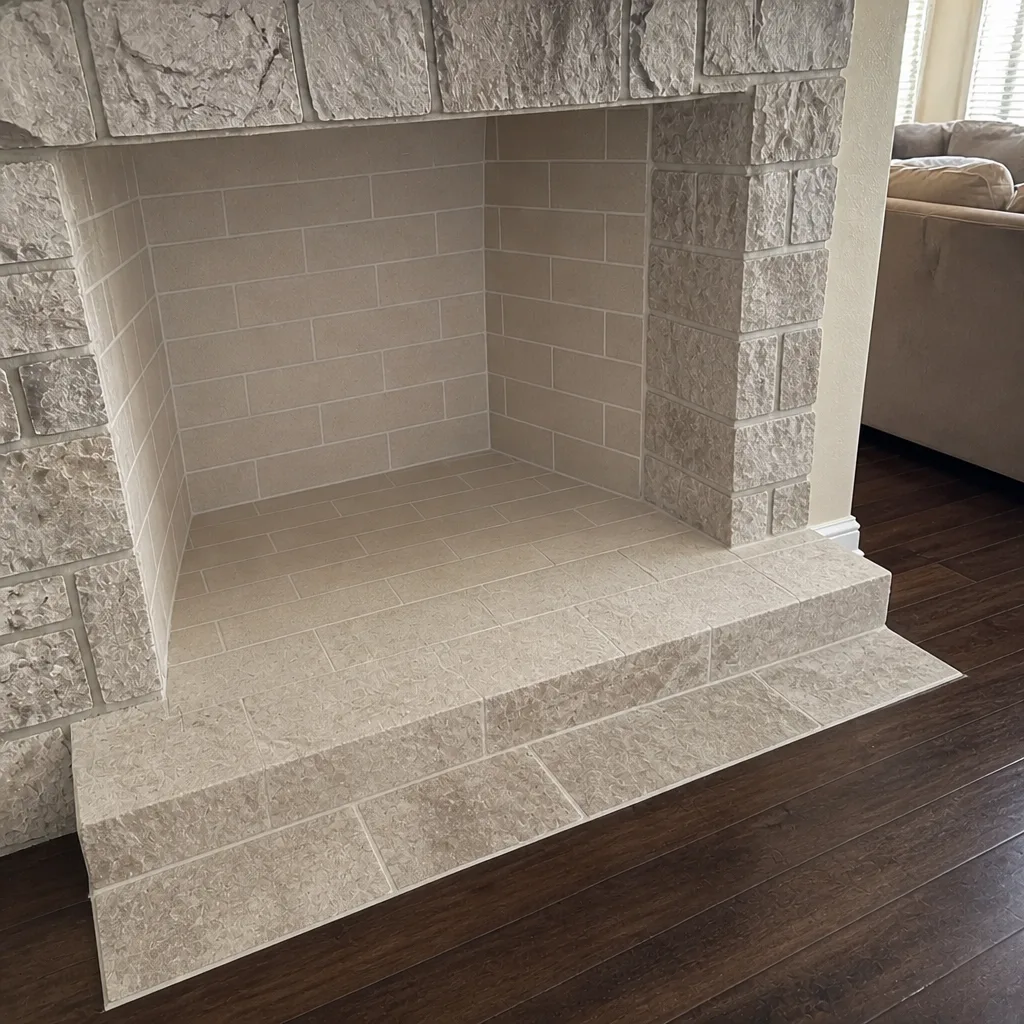
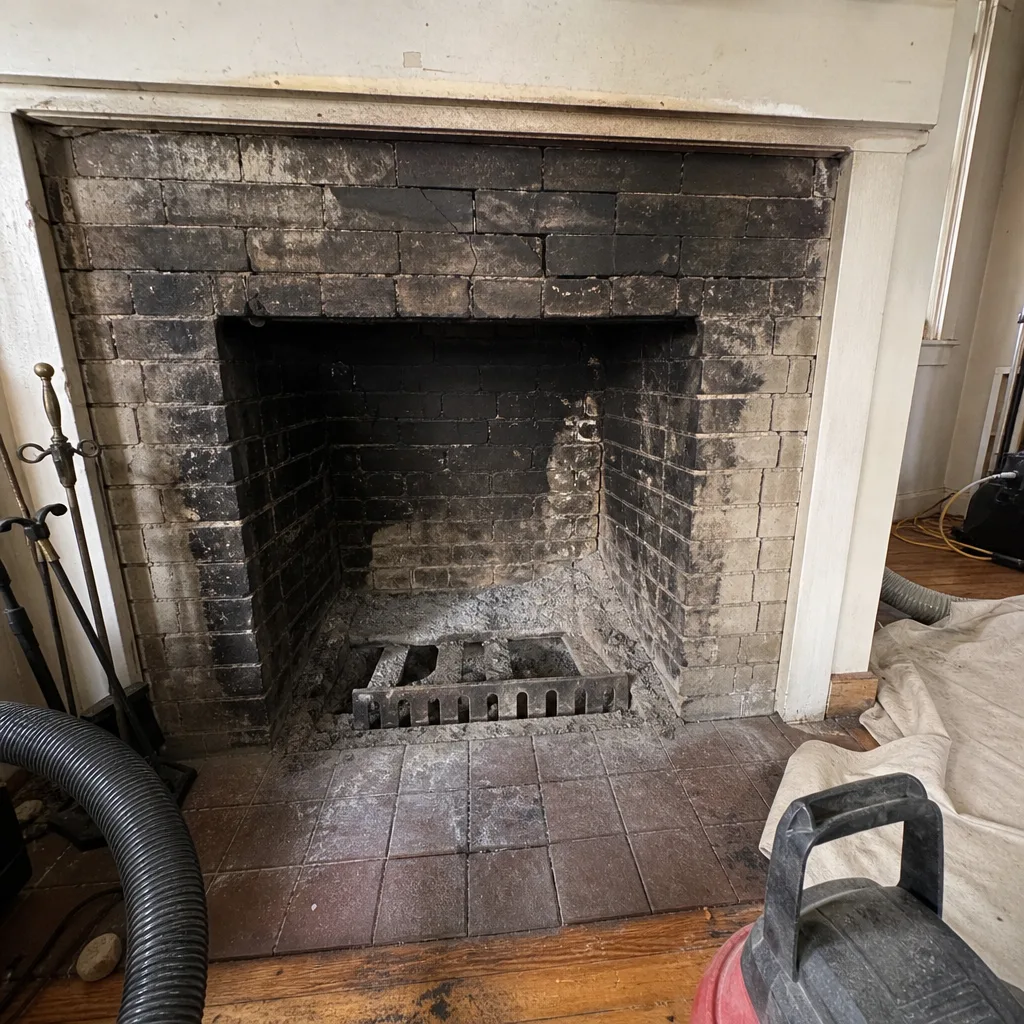
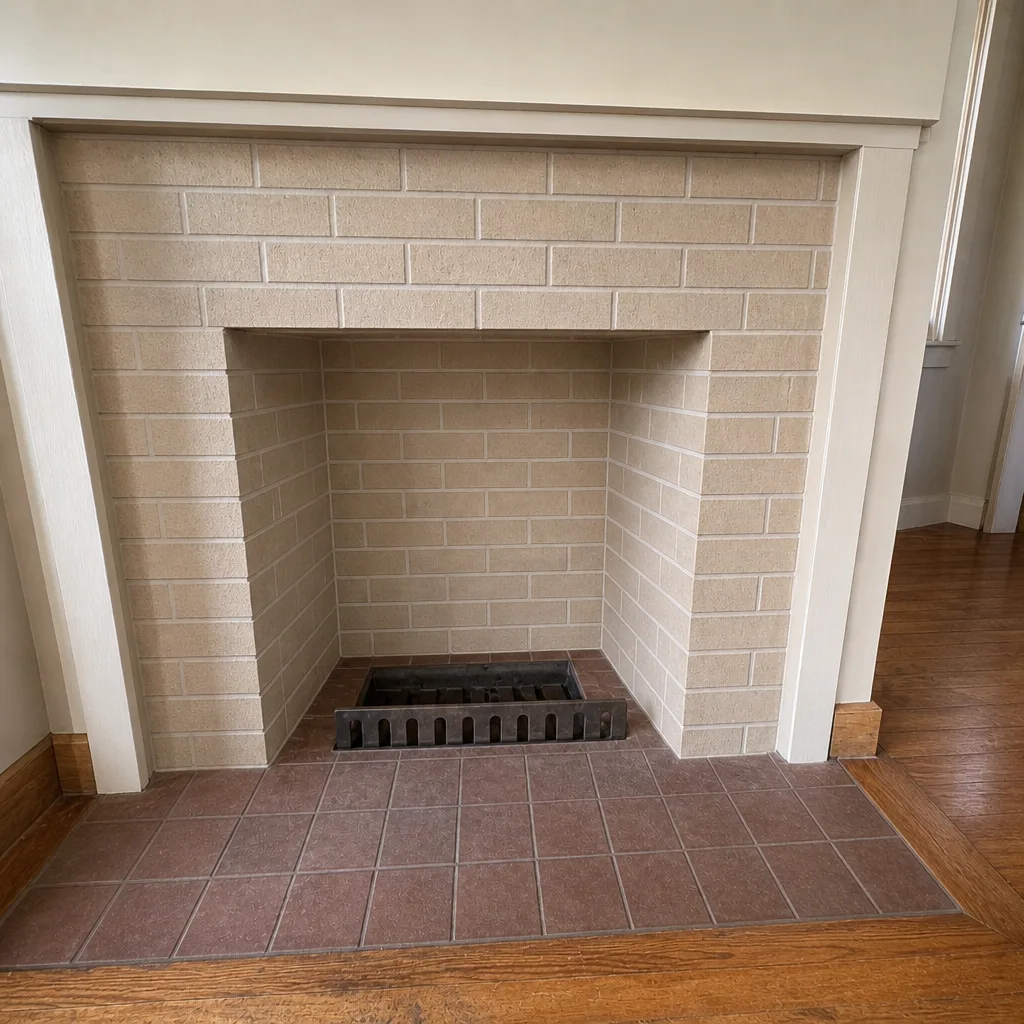
See the difference
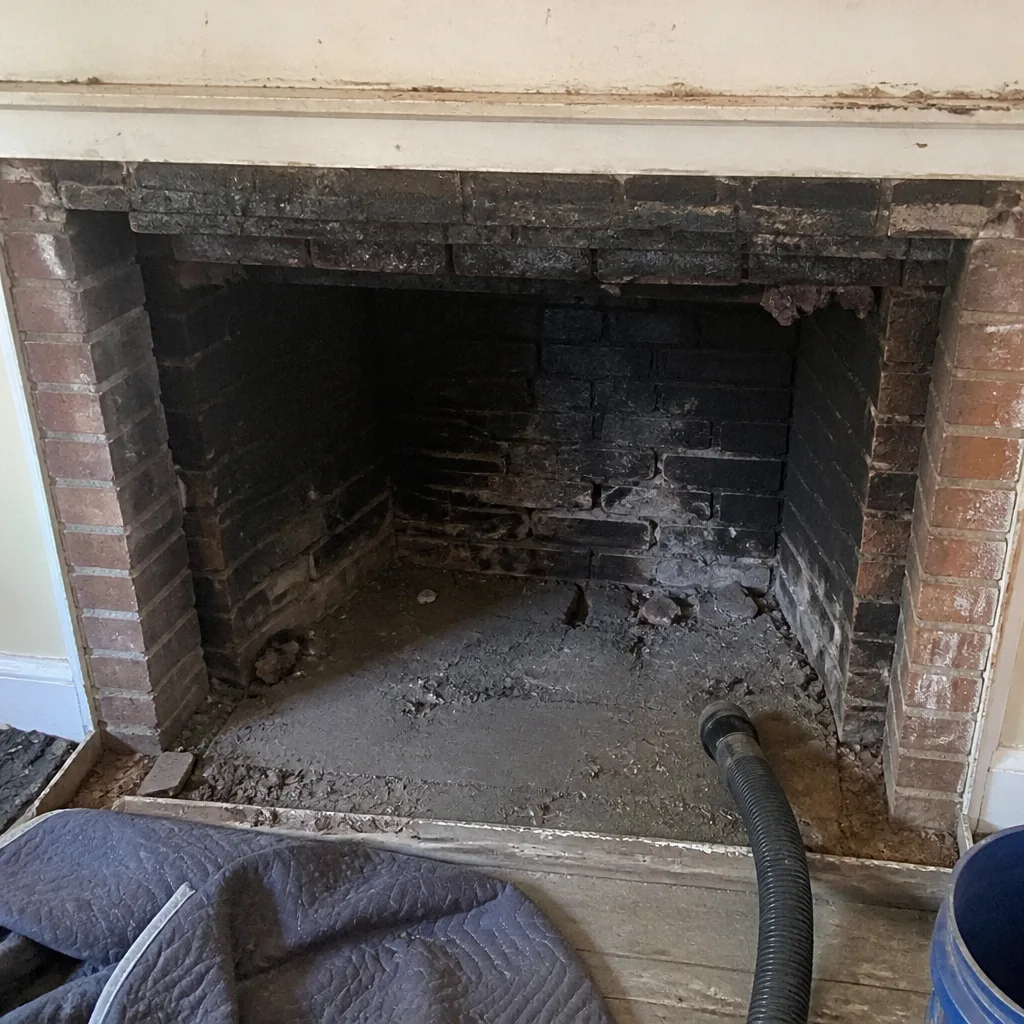 Before
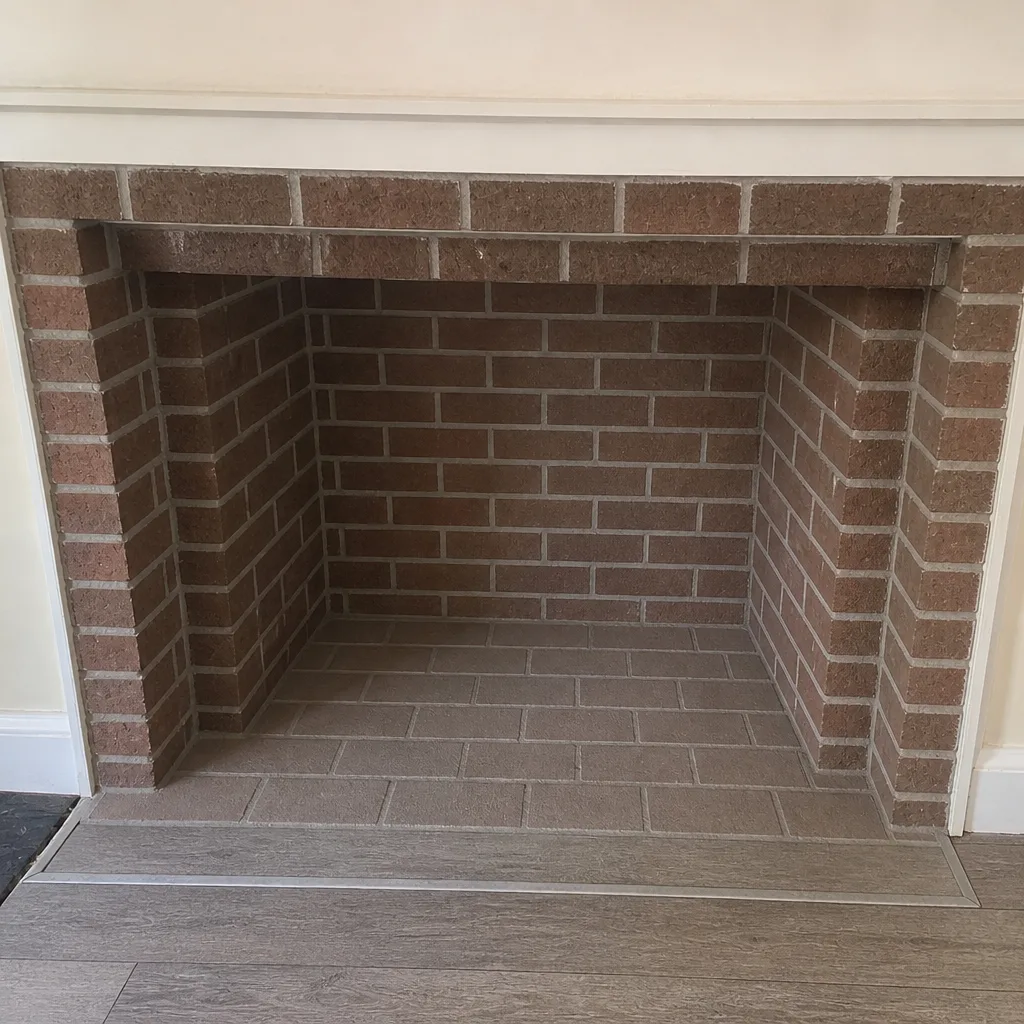 After
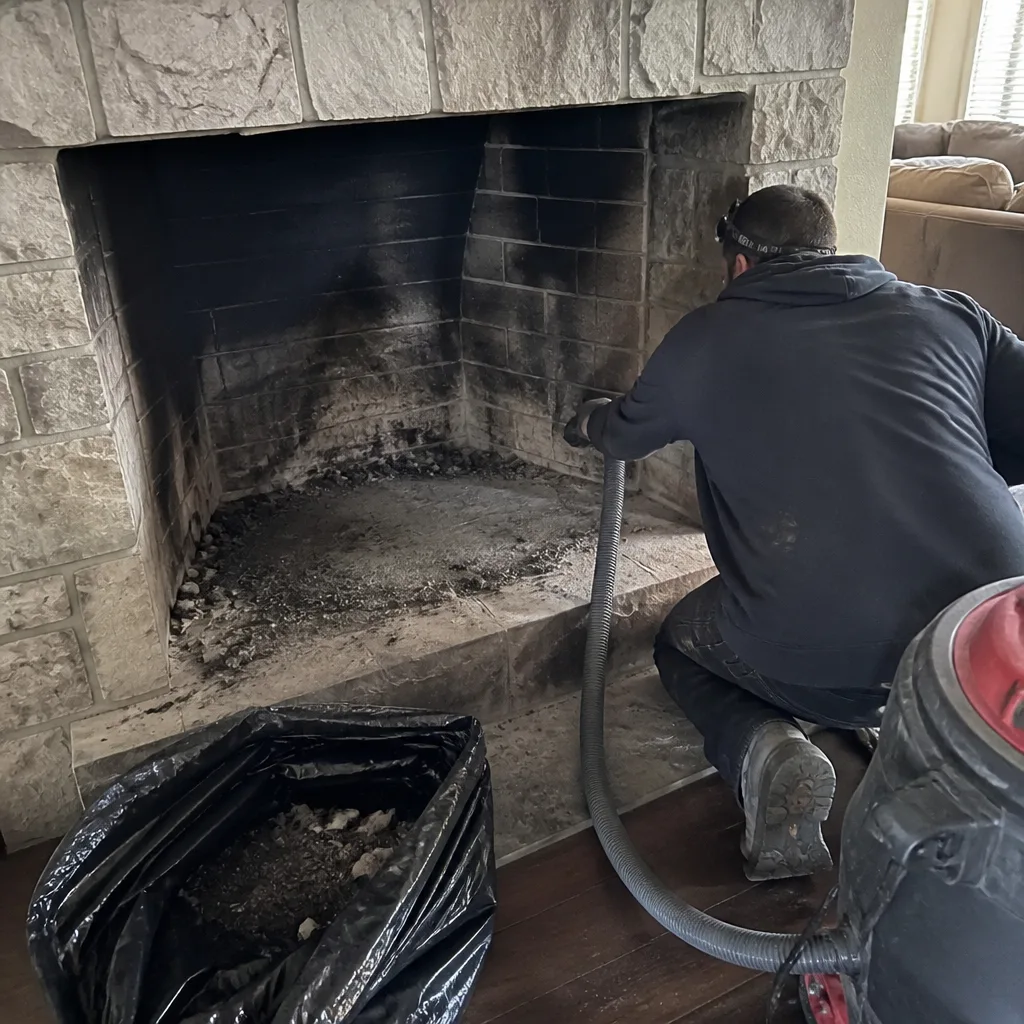 Before
 After
 Before
 After
When to Call a Professional
Call a professional when the work involves the roof, the flue interior, or anything you can’t see from the ground. That includes a first cleaning in a home you’ve just bought, a chimney that hasn’t been swept in more than a year, any chimney fire (even a small one), smoke backing into the room, a fire that’s hard to light, visible staining or spalling on the exterior, or a storm that may have damaged the cap or crown. If your insurer or a home inspector has flagged the chimney, that’s a call too. A camera inspection answers the question that guessing can’t.
Chimney Sweep Everett offers free estimates in Everett – call (888) 545-1163. We answer 24/7. Fast dispatch from 7am to 7pm, Sunday through Friday. A call outside dispatch hours is booked into the next opening, Sunday through Friday, 7am to 7pm. Our technicians have up to 15 years of experience, and the price is set per job by the written estimate, so you know the number before any work starts.
Frequently Asked Questions
A standard chimney sweep in Everett is typically priced per job by a written estimate, and the estimate is free. The final number depends on the flue configuration, the level of deposit, and whether an inspection is included. Call (888) 545-1163 for an exact quote – estimates are free.
Once a year is the baseline for most Everett homes, and homes that burn heavily or burn a lot of Douglas fir may need a mid-season check. In this climate, the deposit hardens faster than in drier regions, so a pre-season sweep is the better habit.
Only if the camera inspection shows the existing liner is cracked, deteriorated or the wrong size for the appliance. A cleaning alone won’t fix a damaged liner, and a damaged liner is a real safety issue. Get the inspection first, look at the footage, and decide from there. Call (888) 545-1163 to book an inspection.
A Level 1 is a visual check of accessible parts, appropriate for a chimney in routine service with no changes. A Level 2 adds a camera inspection of the flue and is called for after a chimney fire, a storm, a fuel change, a new appliance or a change of occupancy. In Everett, a Level 2 after a major wind and rain event is a sensible call.
Not until you know the cap, crown and flue are intact. A storm can displace a cap or crack a crown, and water in the flue can rust or crack a liner. A Level 2 inspection after a significant storm is the safe move. Call (888) 545-1163 if you’re unsure.
Creosote builds up, draft gets worse, and the risk of a chimney fire climbs – especially once the deposit glazes. In Everett’s damp climate, the soft stage passes quickly, so a skipped year often means a harder cleaning the next. Call (888) 545-1163 to book a sweep before the season starts.
The Bottom Line
Everett’s wet climate writes its own rules for chimney care. Creosote forms faster and hardens sooner here than in dry regions, masonry weathers earlier, and the wood species most homeowners burn leave their own deposit patterns. The basics hold: an annual sweep before the burning season, a camera inspection to confirm the liner, a Level 2 after any storm or chimney fire, and professional-grade materials on any repair. What separates a real cleaning from a surface sweep is containment, smoke chamber work and a photo report you can see for yourself. Chimney Sweep Everett handles the sweep, inspection and repair as one job – DuraFlex, HeatShield, Gelco, Olympia Chimney, Famco and Copperfield – so nothing gets handed off. Call (888) 545-1163 for a free estimate. We answer 24/7. Fast dispatch from 7am to 7pm, Sunday through Friday.
Written by the team at Chimney Sweep Everett.