
Last updated November 16, 2026
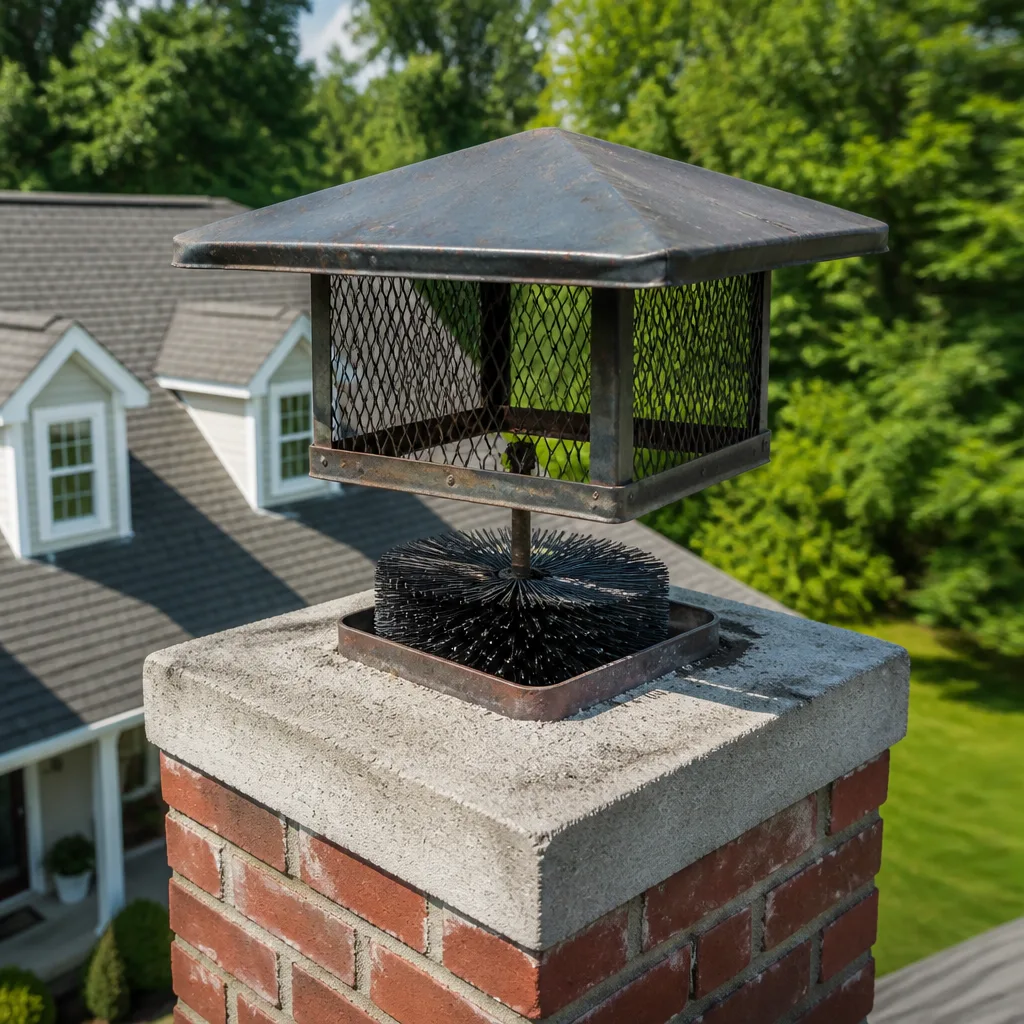 Sweep & inspection
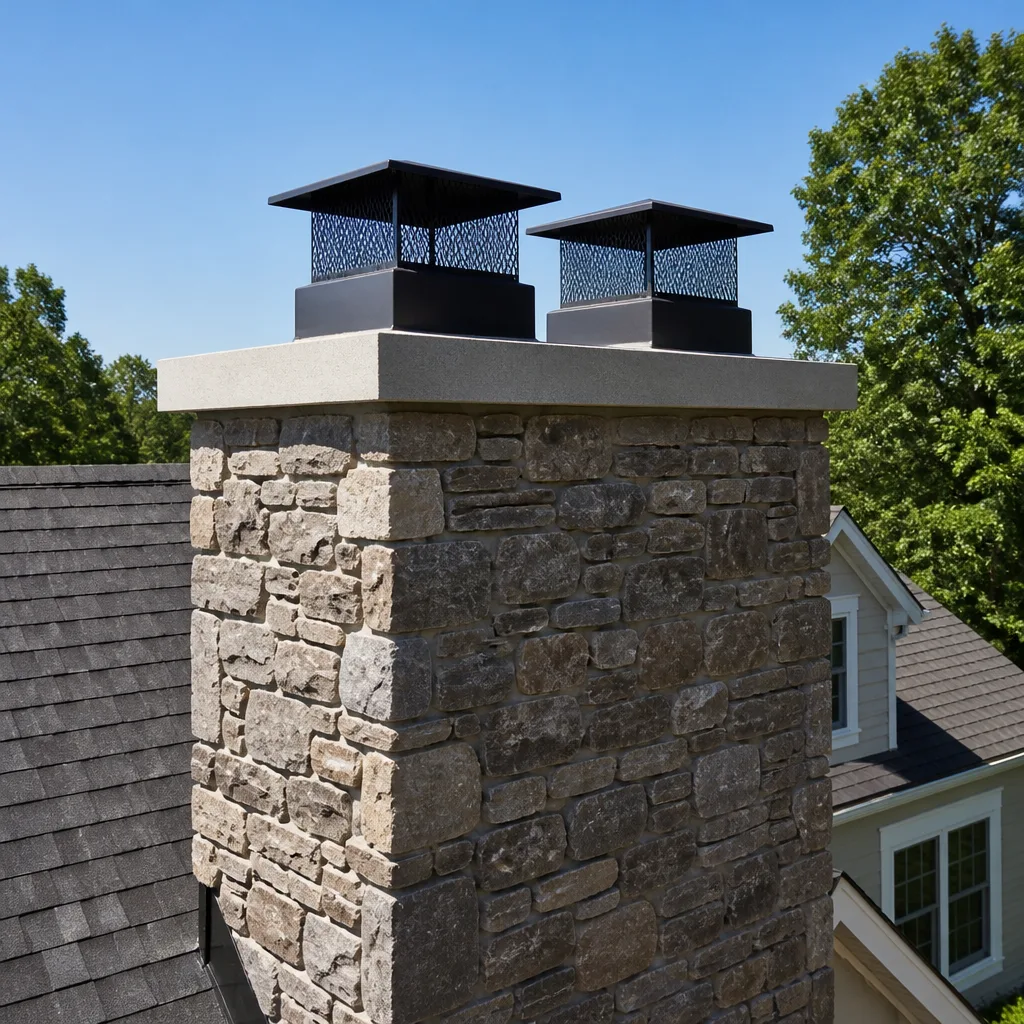 Caps & crowns
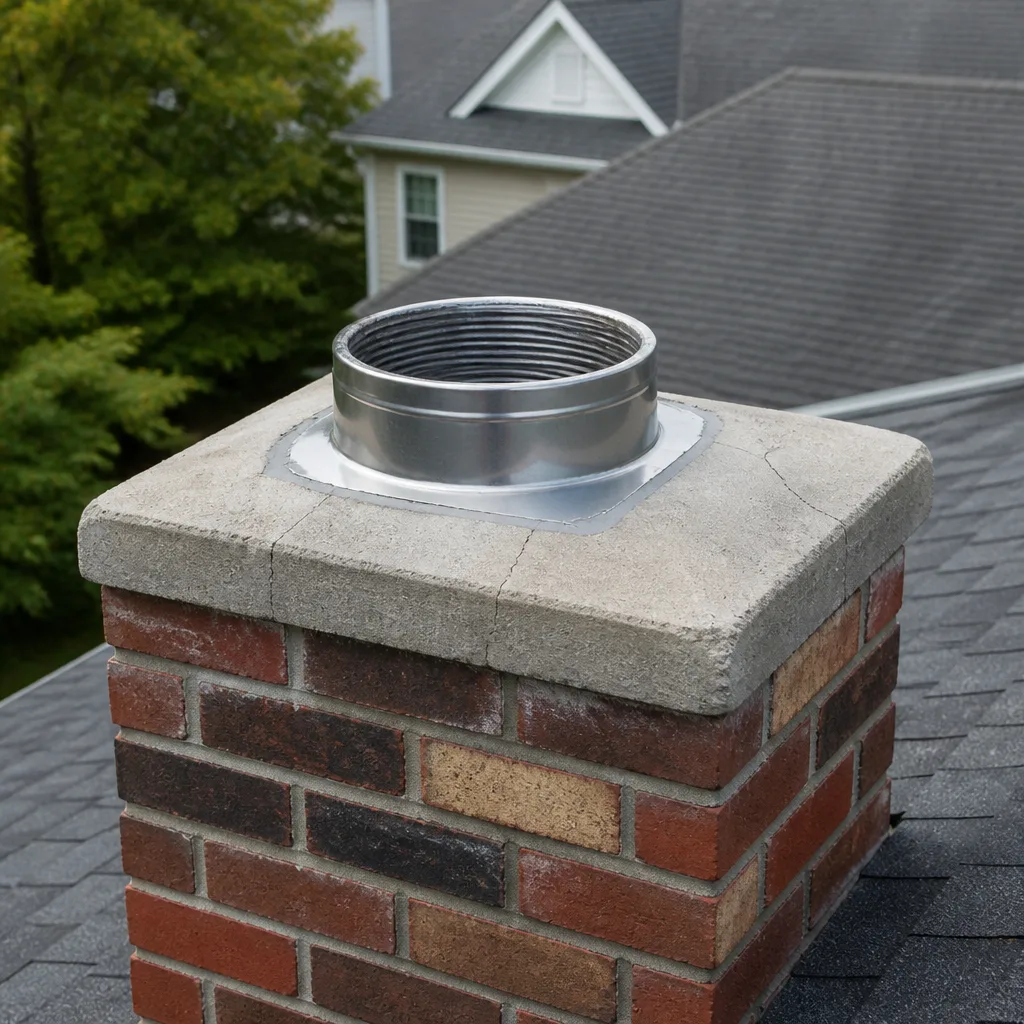 Flue relining
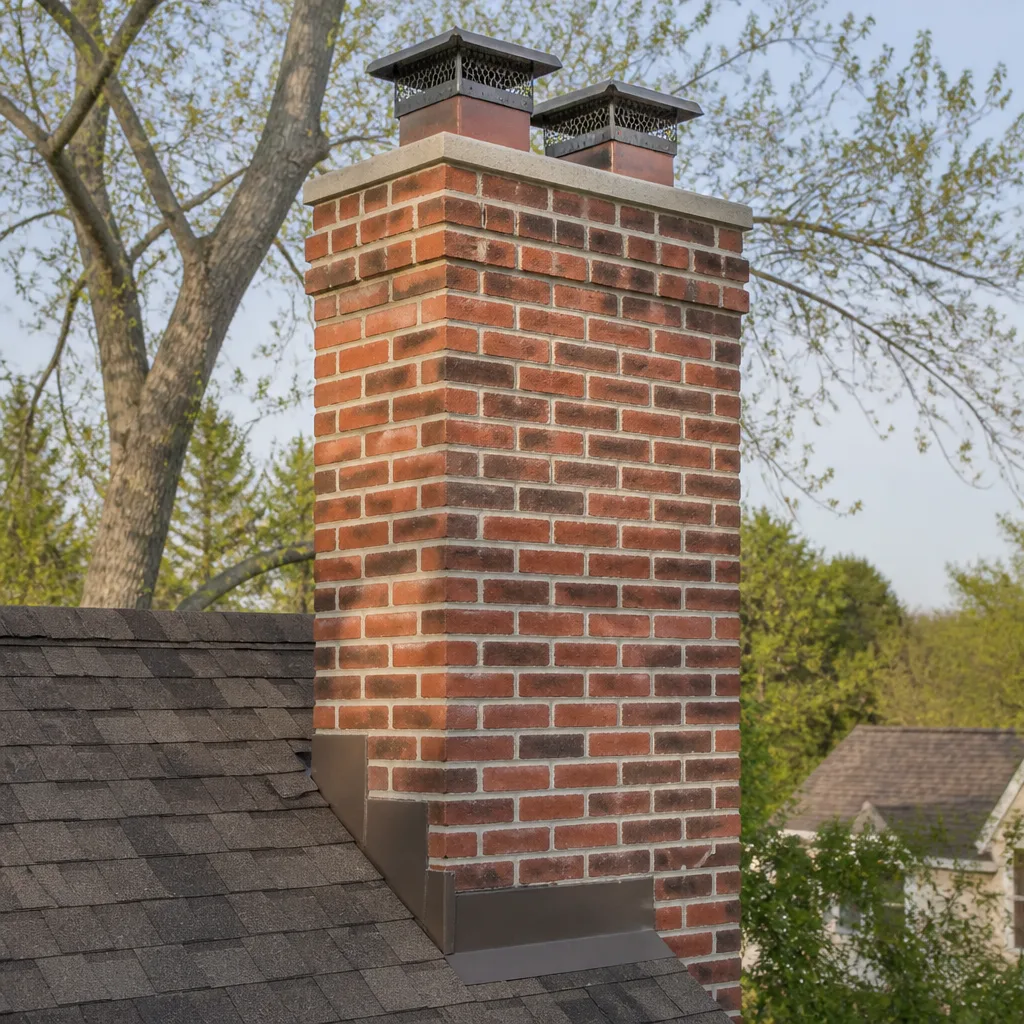 Masonry repair
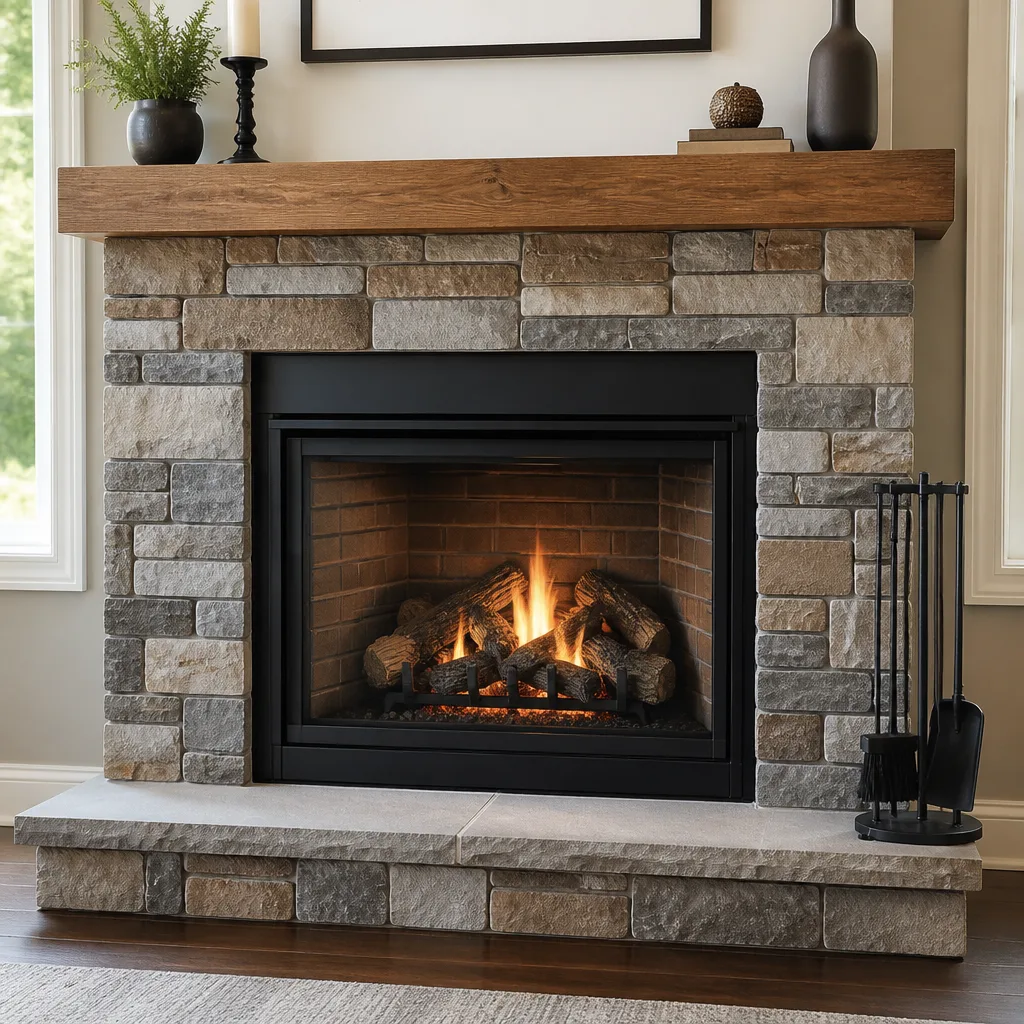 Gas fireplace service
Level 1 sweep and inspection to the NFPA 211 annual standard - flue, crown, cap, and flashing checked and photographed
Chimney sweep logs do not sweep chimneys. They loosen some creosote - which then falls where a brush and vacuum still have to collect it.
DIY vs Professional Chimney Cleaning: The Everett Homeowner’s Decision Guide
You can buy a chimney brush kit online for the price of a nice dinner, and plenty of homeowners do. The kit arrives, the brush goes up the flue, black dust falls into the firebox, and it feels like the job is done. That feeling is the problem. A brush reaches the flue shaft. It doesn’t reach the smoke chamber, it can’t tell you whether the creosote above you is the glazed, tar-like Stage 2 kind that needs chemical treatment before anyone touches it, and it has no opinion on whether your flue liner is cracked. This guide lays out exactly what DIY cleaning can and can’t do, when it’s genuinely fine to handle yourself, and when an Everett homeowner should put the brush down and call someone who does this for a living. Our technicians have up to 15 years of experience, and most of the serious problems we find started with a well-intentioned homeowner and a kit from a big-box site.
Quick Answer
DIY chimney cleaning is only reasonable for a gas fireplace with a stainless liner and light use, or a wood fireplace burning one or two cords a season with no known flue issues. For most homes in Everett, especially older masonry chimneys, a professional sweep with a camera inspection is the safer call because brushing alone misses the smoke chamber, can’t assess creosote stage, and can’t detect a cracked liner. If you burned more than two cords, haven’t had a camera inspection in two years, or smell anything odd, book a professional.
Styles & brands we work with
- Sweep & inspection
- Caps & crowns
- Flue relining
- Masonry repair
- Gas fireplace service
Table of Contents
- What a DIY brush kit can and cannot clean
- When DIY is genuinely acceptable
- Why Everett’s older housing stock raises the stakes
- The hidden cost of DIY: what a camera catches and a brush misses
- Understanding creosote stages before you touch a brush
- A five-step decision framework for Everett homeowners
- What a professional sweep actually includes
- DIY vs professional cost comparison
What a DIY brush kit can and cannot clean
A chimney brush is a good tool with a narrow job. It scrubs the inside of the flue shaft, knocking loose soot and flaky creosote off the walls so it falls down into the firebox for collection. That’s the entire scope. Everything else inside a chimney system is outside the reach of a brush on a rod, and that “everything else” is where most safety problems live.
Here’s the honest breakdown for a standard masonry chimney in Everett:
- Flue shaft: cleanable. The straight vertical run of the flue is what the brush is designed for. A properly sized brush, matched to your flue dimensions, will do a reasonable job on light to moderate soot.
- Smoke chamber: not cleanable with a brush kit. The smoke chamber sits above the firebox and below the flue, and it’s shaped like an inverted funnel with corbelled brick ledges. Creosote collects in those ledges and the brush can’t scrape them. Most brush kits sold online simply don’t include a smoke chamber tool, and even if they did, the technique matters.
- Smoke shelf: not accessible. A flat ledge just behind the damper that traps soot and creosote. If it’s packed, it restricts draft and can contribute to smoke rolling into the room.
- Firebox crevices and mortar joints: not cleanable. Soot packs into the joints between firebrick. A brush won’t get into them, and careless scraping can damage the mortar.
- Liner interior: not assessable. You can brush a flue with a cracked clay liner all day and never know it. The brush doesn’t inspect; it scrubs.
- Creosote stage: not identifiable from below. You can’t tell Stage 1 from Stage 2 from the firebox floor. You have to look.
Compare that to what a professional sweep does with a rotary brush, a HEPA vacuum, and a camera. The camera is the difference-maker. It goes up the flue and sends back video of the liner joints, the smoke chamber, and the cap. It’s the only way to know what you’re actually looking at.
When DIY is genuinely acceptable
We’re not going to tell you that a brush kit is never appropriate. There are real scenarios where a homeowner with the right tools and temperament can keep up with light cleaning and stay safe. Here’s what those scenarios have in common:
- Gas fireplace with a stainless steel liner. Gas appliances produce very little creosote. If your fireplace is direct-vent or has a full stainless liner and sees light use, the cleaning burden is genuinely lower. A soft brush and a shop vac, done carefully, is defensible.
- One or two cords of wood per season, no more. Low burn volume means less creosote accumulation. If you’ve been burning two cords or less for years and had no draft issues, no smoke rollback, and no smells, a DIY brush between professional inspections can work.
- No history of flue problems. No cracked tiles noted on the last inspection. No liner damage. No water intrusion. No chimney fire. No signs of excessive creosote. If you’re starting from a clean, verified baseline, DIY maintenance is lower risk.
- You have the right brush for your flue size. A brush that’s too small leaves creosote behind; one that’s too stiff or too large can damage clay tile. Match the brush to your flue dimensions, and use poly or nylon for clay liners, not wire.
- You protect the room. Drop cloths, sealed plastic sheeting over the firebox opening, and a shop vac with a HEPA filter. Soot travels. If you can’t seal the room, don’t brush.
- You still get a camera inspection at a reasonable interval. DIY brushing without periodic professional inspection is just cleaning blind. The inspection is the part that keeps you safe.
Everything outside those conditions is where DIY starts to make less sense. If you’re unsure which scenario you’re in, that’s already a signal to call for a chimney sweep and a camera inspection rather than guess.
Why Everett’s older housing stock raises the stakes
Everett has a lot of housing built before 1980, and that matters more for chimney cleaning than most homeowners realize. Homes from that era were frequently built with unlined or minimally lined masonry flues, or with clay tile liners that have had decades to crack, spall, and separate at the joints. A brush kit does not care about the condition of the liner. It just scrubs. If the liner has a gap or a crack, the brush can push creosote and soot into the space behind the tile, and you won’t know until you have a fire or a carbon monoxide event.
There’s a second Everett-specific factor: the climate. Western Washington’s wet winters mean more moisture cycles through chimney masonry. Water gets into brick and mortar, freezes, expands, and works at the joints. Over years, that’s how liners crack and how smoke chambers start to deteriorate. Older Everett homes with exterior chimneys see a lot of this. Add the moss and organic growth that shows up on shaded caps and crowns, and the chimney exterior becomes a source of water intrusion that feeds the interior problem.
The old housing stock in neighborhoods like Bayside, Riverside, and the areas near downtown means many homeowners are working with chimneys that are 40+ years old. Those are exactly the chimneys where an annual camera inspection pays for itself, and exactly the chimneys where a brush kit gives a false sense of completion. If your chimney hasn’t been camera-inspected in the last year or two, schedule a professional sweep in Everett before you consider DIY.
The hidden cost of DIY: what a camera catches and a brush misses
The real risk of DIY isn’t the brush itself. It’s what the brush doesn’t tell you. A professional sweep uses a camera inspection because it’s the only way to see the inside of the flue and the smoke chamber without taking the chimney apart. Without that camera, three specific problems go undetected until they escalate:
- Creosote underestimation. Homeowners consistently underestimate how much creosote has built up. Soot looks like creosote, but soot is thinner and less combustible. The dangerous material is the tar-like, glazed creosote (Stage 2 and Stage 3) that clings to the flue walls. In our experience, a homeowner who “cleaned it themselves last year” often has more buildup than expected, not less. A camera tells you the truth.
- Liner cracks. A crack in a clay flue tile, or a separation at a joint, allows heat and combustion gases to reach the masonry and framing around the chimney. That’s a fire path and a carbon monoxide path. The brush won’t find it. The camera will.
- Smoke chamber deterioration. The corbelled brick in the smoke chamber is a known weak point. Soot and moisture eat at the mortar joints. If the joints are failing, you have a fire risk and a draft problem. This is exactly the kind of work HeatShield was engineered for, and it’s a repair a brush kit cannot perform or detect.
The hidden cost of DIY isn’t the price of the brush. It’s the cost of not knowing. The chimney gets cleaned on the surface and continues to deteriorate underneath. That’s why we always tell Everett homeowners: the inspection is the part that protects you, not the brushing. Nothing gets recommended without camera evidence you can see for yourself.
Understanding creosote stages before you touch a brush
Creosote is the byproduct of incomplete combustion, and it doesn’t come in one form. Knowing the three stages is the single best thing you can do to judge whether DIY is safe in your chimney.
- Stage 1: soot and flaky ash. Easily brushed off. Low fire risk by itself. This is what a DIY brush is actually good at removing.
- Stage 2: hardened, crusty, or tar-like deposits. This is the dangerous middle. Stage 2 creosote clings to the flue walls and won’t come off with a dry brush. It’s also a fire hazard. The standard professional approach is to treat it with a chemical creosote remover first, let it work, and then brush. A homeowner with a brush kit and no chemical treatment plan is likely to smear the creosote around rather than remove it, and that’s a real risk.
- Stage 3: glazed, hard, tar-like coating. The worst case. It looks like a shiny black layer bonded to the flue. It’s highly combustible and won’t come off without specialized rotary equipment and sometimes chemical treatment. DIY is off the table here.
You can’t identify the stage from the firebox floor. You need to see the flue walls. That means a camera or a professional eye at the top, and that’s the practical reason a brush kit’s limits matter so much. If you’ve had a chimney fire or suspect one, stop and call a professional. Don’t brush first. The inspection tells you whether the flue survived.
A five-step decision framework for Everett homeowners
Use this to make the call for your own chimney. It’s not complicated, but it is specific:
- How much did you burn last season? If you burned more than two cords of wood, book a professional sweep and inspection. If it was less than one cord, and your fireplace is gas with a stainless liner, DIY is reasonable.
- When was the last camera inspection? If it’s been more than two years, or you don’t know, book a professional inspection. A chimney without a recent camera inspection is a chimney you don’t actually know the condition of.
- Any unusual smells or symptoms? A strong smell from the fireplace in summer, smoke rolling back into the room, soot on the mantel, a draft that seems weaker than it used to be. Any of these means call a professional. Don’t brush first.
- What kind of liner does your chimney have? Full stainless liner with gas appliance: DIY cleaning is defensible. Clay tile liner in an older Everett home: get a camera inspection before you touch it. No liner at all: stop, call us.
- Have you had a chimney fire or signs of one? Puffy, honeycomb-textured creosote, cracked tile, warped damper, discolored cap. Call a professional for inspection before any cleaning, and don’t operate the fireplace until you do.
If you clear all five, DIY maintenance between professional inspections is fine. If any one of them fails, book a chimney repair evaluation with a camera. It’s the difference between brushing a clean chimney and brushing one that has an undetected problem you can’t see.
What a professional sweep actually includes
Professional chimney cleaning is more than a bigger brush. Here’s what the three service tiers look like when they’re done as one coordinated job rather than stitched together from multiple vendors:
- Sweep: Rotary brush matched to the flue, HEPA vacuum containment, drop cloths, and a full clean of the flue shaft, smoke chamber, smoke shelf, and firebox. No mess in the room.
- Inspection: Camera inspection of the flue and smoke chamber, plus a look at the cap, crown, flashing, and exterior masonry. You get photo evidence of what was found, so you can see it yourself rather than take a recommendation on faith.
- Repair: If the inspection turns up liner deterioration, a smoke chamber issue, or a crown that’s failing, the same team can address it. That’s where professional-grade materials matter. We use DuraFlex for relining work, HeatShield for structural smoke chamber restoration, and Famco for weatherproofing details like caps and crowns. Naming the products matters because the material behind a repair is as important as the labor. A reline done with generic off-brand liner isn’t the same job as a DuraFlex installation, and the price reflects that.
What you should expect: a written estimate before any work, a flat price agreed before booking, and a clear recommendation that tells you when work can safely wait. A reputation for not overselling is more valuable to us than a single repair invoice. If your chimney is fine, you’ll hear that. Call Chimney Sweep Everett for a sweep and we’ll show you what the camera sees. Estimates are free.
DIY vs professional cost comparison
DIY looks cheaper up front. The full picture is more nuanced. Here’s a rough comparison for a typical Everett masonry chimney:
- DIY brush kit: $50-$150 for the kit, plus a HEPA shop vac you may already own. No camera, no smoke chamber tool, no chemical treatment for Stage 2 creosote. Reusable across seasons, but you’re limited to the flue shaft.
- Professional sweep: typically booked per job by written estimate, includes the full sweep, the camera inspection, and the photo report. It’s a cost you can plan for, and you actually get diagnostic information from it.
- Professional sweep plus a repair cycle: if the inspection finds a cracked liner or a failed smoke chamber, the same visit can be quoted for repair so you’re not paying for repeated visits. The camera tells you what the repair needs to be.
- DIY without inspection: the “cost” is the risk of an undetected liner problem turning into a fire or a carbon monoxide event. That’s harder to price, and it’s the reason we don’t recommend it for older homes.
The professional option is booked by written estimate, so the price doesn’t change after the work starts, and you get the evidence to decide whether a repair is necessary now or can wait. For most Everett homes, that’s a good deal.
Common Mistakes to Avoid
- Brushing a chimney with Stage 2 creosote. The brush smears the tar-like creosote around and doesn’t remove it. Treat it chemically first, or call a professional. This is the mistake we see most often with DIY kits.
- Assuming a brushed flue is a safe flue. Cleaning removes some creosote, but it doesn’t inspect. The liner can be cracked and the chimney can still be unsafe to operate after a brush pass.
- Skipping the smoke chamber and smoke shelf entirely. Creosote collects heavily in these areas and a standard brush kit doesn’t reach them. They’re also the areas most likely to contribute to draft problems in Everett’s older homes.
- Ignoring the exterior chimney in Everett’s wet climate. A cracked crown or failing flashing lets water into the chimney and accelerates liner deterioration. If the exterior isn’t protected, cleaning the interior doesn’t solve the problem. Famco weatherproofing products are the kind of thing to ask about.
- Burning unseasoned or “green” wood in an attempt to avoid creosote. Wet wood burns cooler and produces more creosote, not less. Season your firewood properly and burn hot fires when you do burn.
- Doing a DIY sweep after a suspected chimney fire. No brushing after a chimney fire. Get a professional camera inspection first, because the flue may have been damaged and could be unsafe to use.
- Using a wire brush on a clay tile liner. It can score the tile and damage the joint. Use poly or nylon; the brush material is not a place to save money.
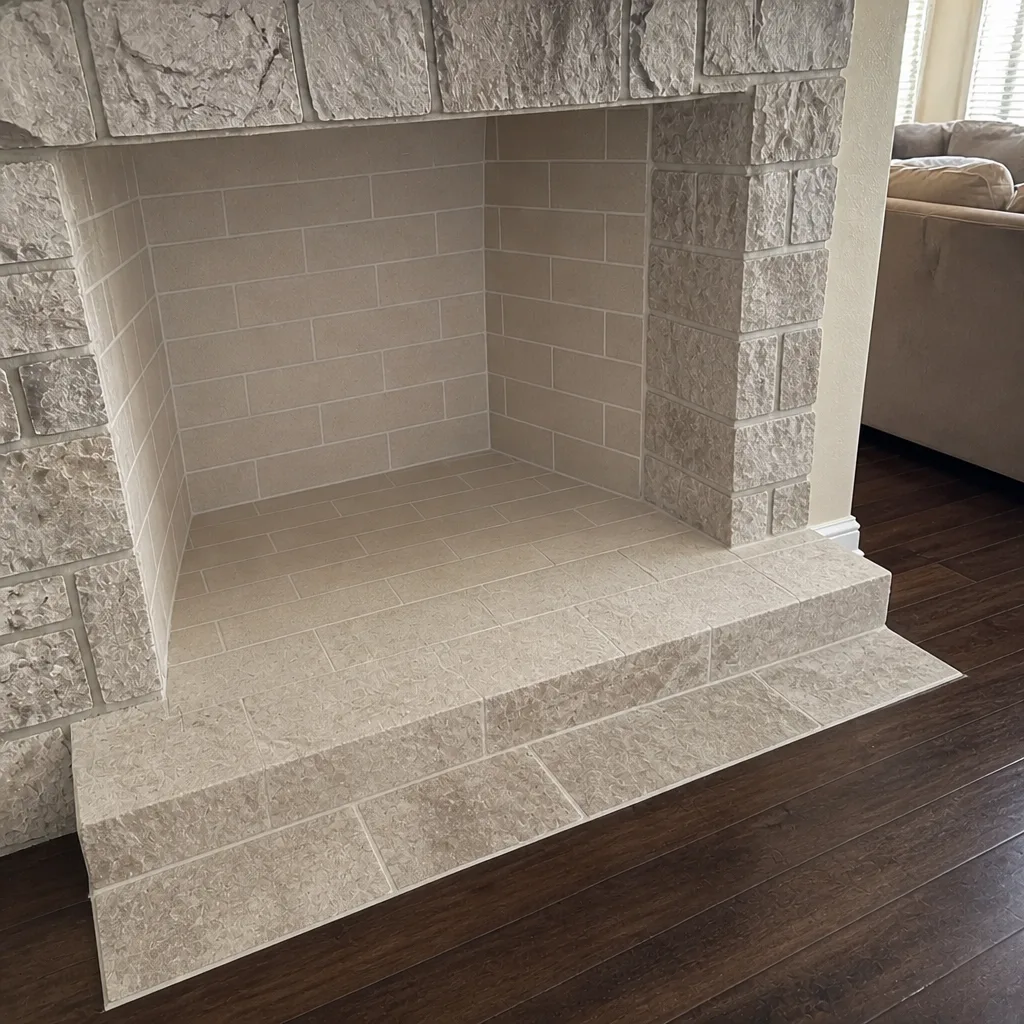
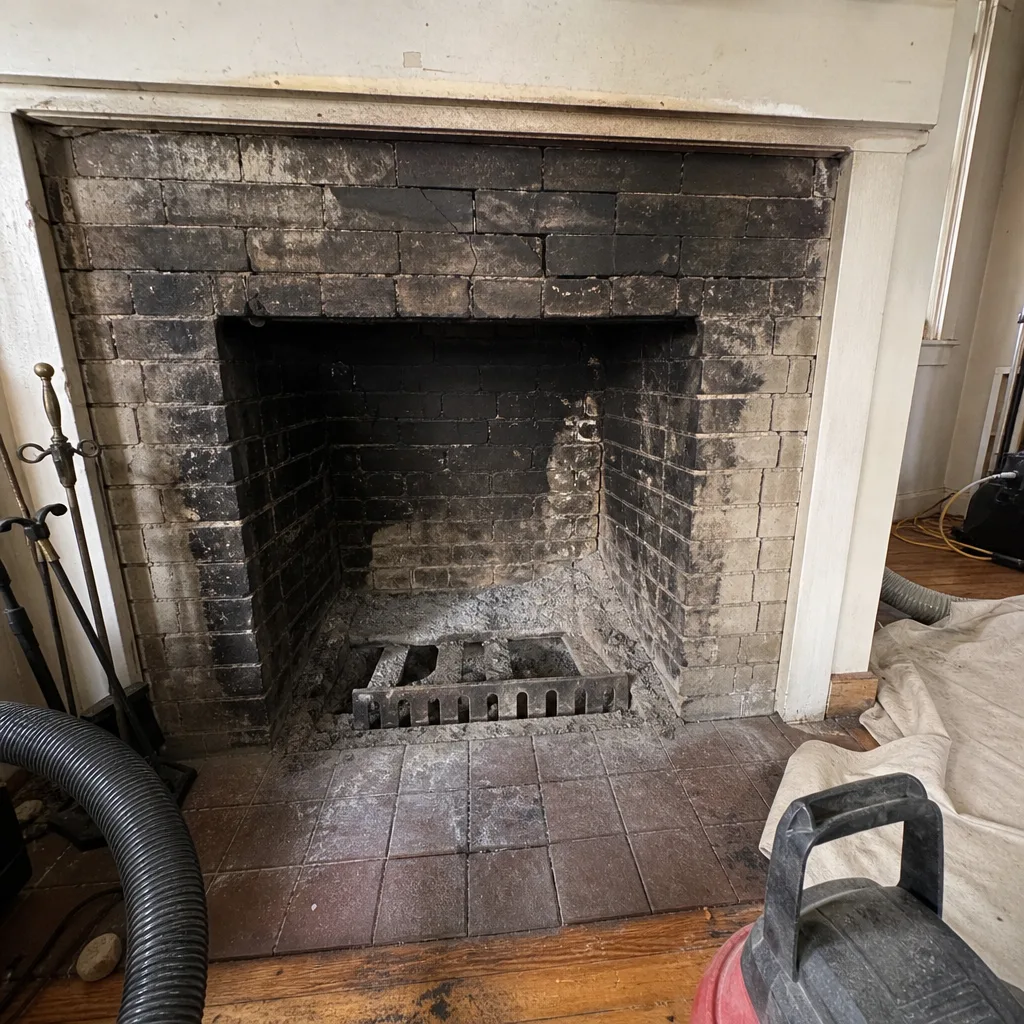
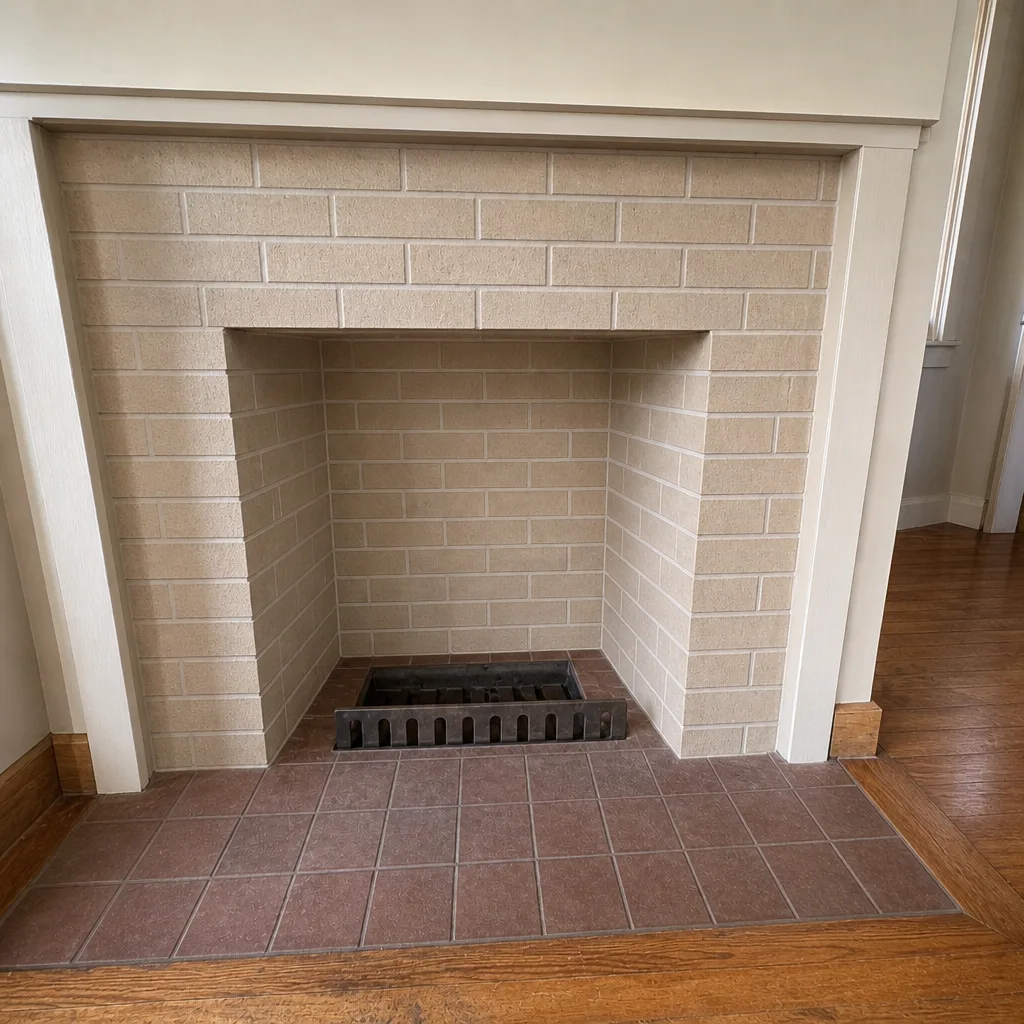
See the difference
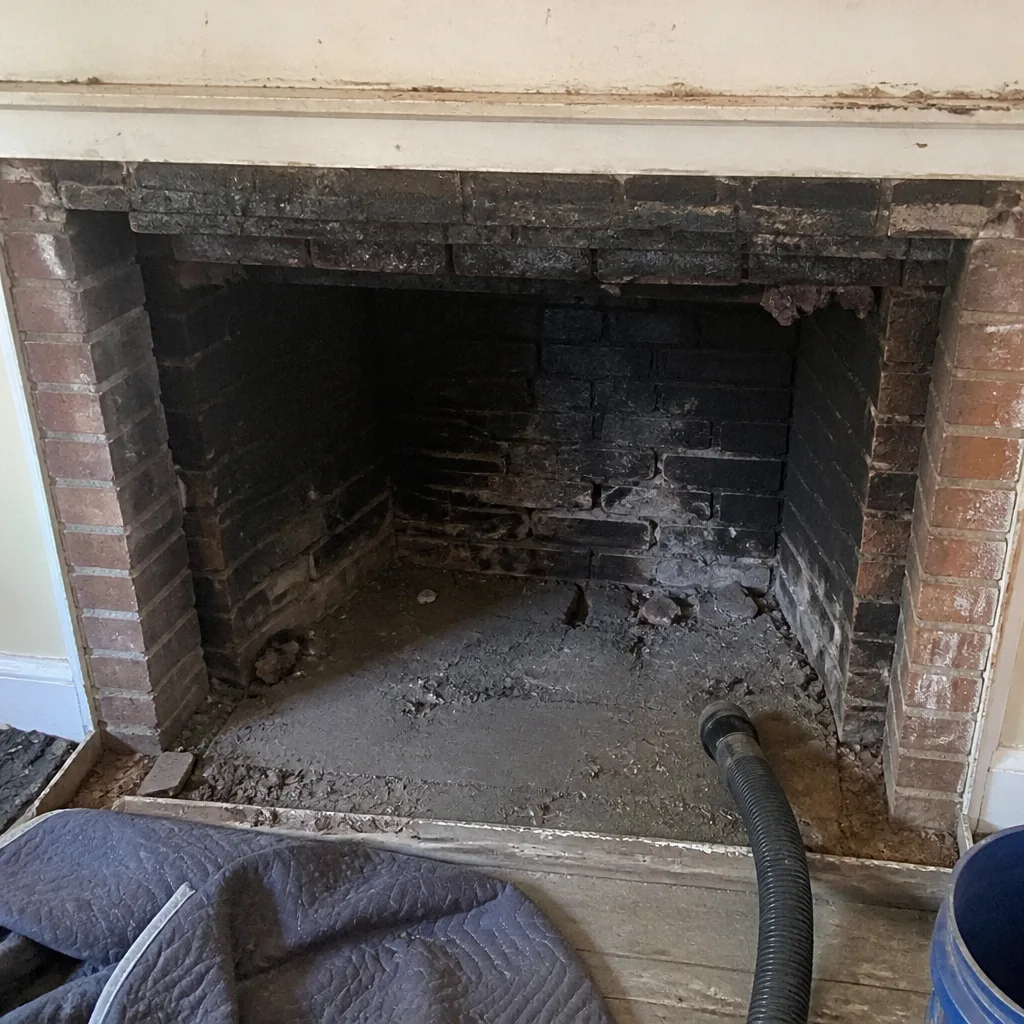 Before
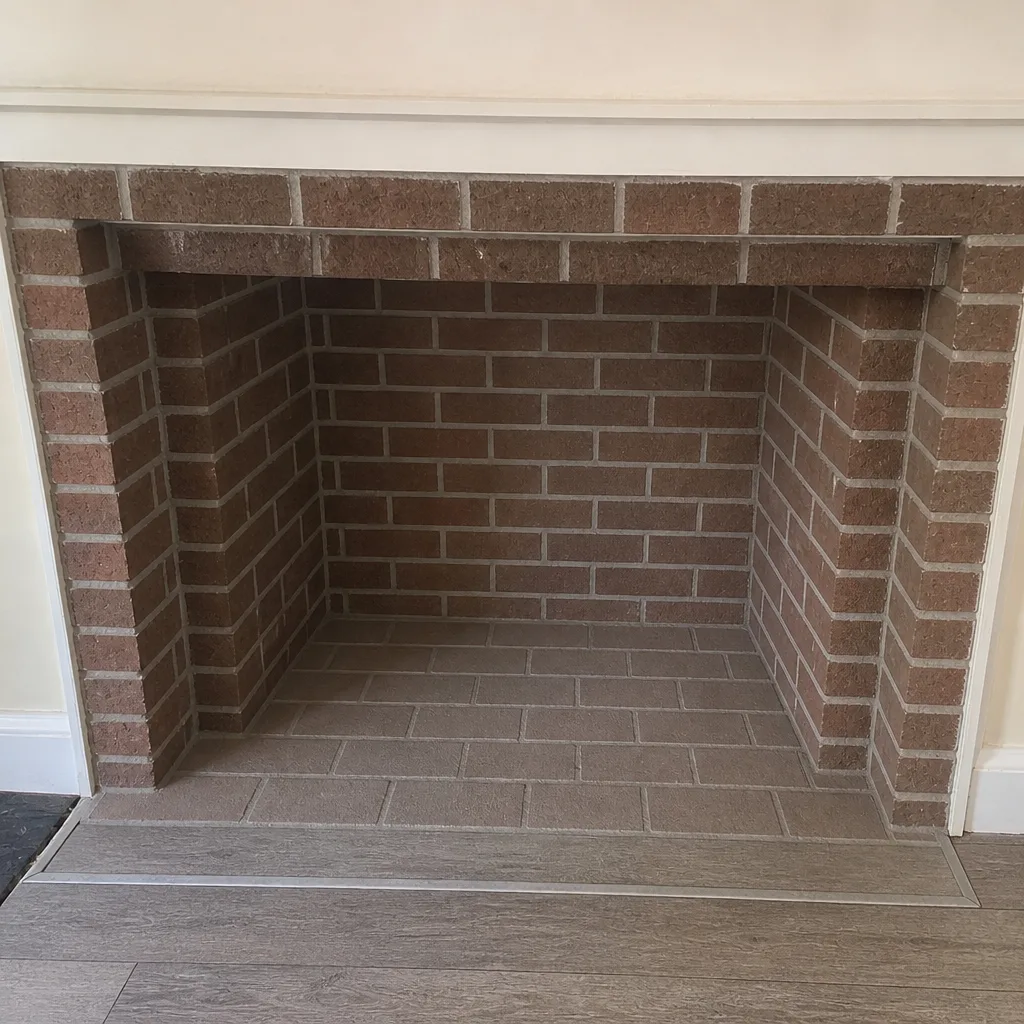 After
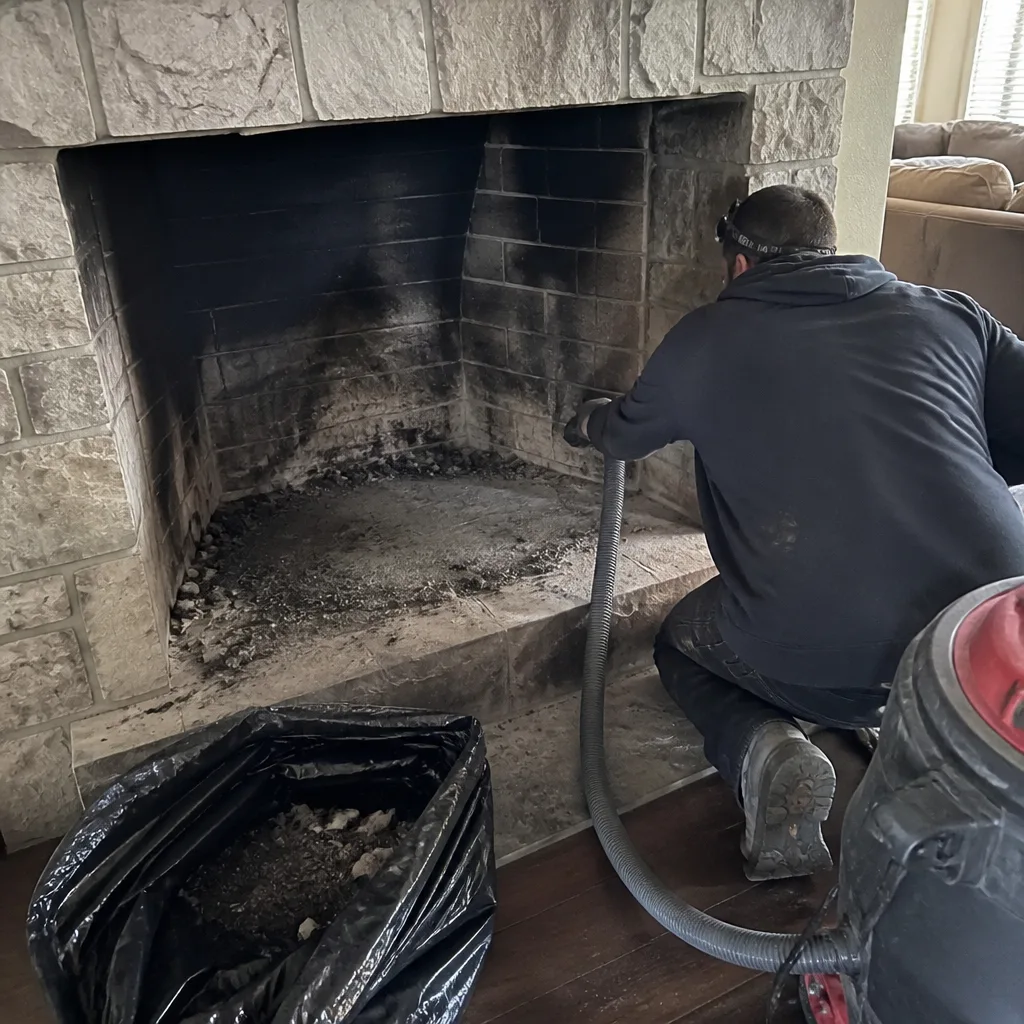 Before
 After
 Before
 After
When to Call a Professional
Call a professional in any of these situations: you burned more than two cords last season, you haven’t had a camera inspection in the last two years, you smell a strong creosote odor from the fireplace in summer, smoke rolls back into the room when you light a fire, you’ve had a chimney fire or signs of one, you have an older Everett masonry chimney with a clay tile or unlined flue, or your insurance company is asking for a sweep and inspection record. In those cases, DIY is the wrong first move because the sweep alone won’t tell you what the flue looks like inside. Chimney Sweep Everett offers free estimates in Everett, with a camera inspection and photo report included: call (888) 545-1163. We answer 24/7. Fast dispatch from 7am to 7pm, Sunday through Friday. Our technicians have up to 15 years of experience, and we’d rather tell you your chimney is fine than sell you work it doesn’t need.
Frequently Asked Questions
Yes, for a narrow set of cases: a gas fireplace with a stainless liner and light use, or one to two cords a season in a chimney with no known flue problems. A brush kit cleans the flue shaft, but it can’t reach the smoke chamber, can’t assess creosote stage, and can’t detect a cracked liner. For most Everett homes, that’s not enough. Call (888) 545-1163 for an exact quote on a sweep with camera inspection, and estimates are free.
Most wood-burning chimneys benefit from a sweep and inspection once a year, or more often if you burn heavily or notice draft problems. What matters is the camera inspection, not just the brushing. If you’ve burned more than two cords or it’s been more than two years since a camera inspection, book a sweep. Call (888) 545-1163. We answer 24/7.
The main risk is doing the work without knowing the condition of the liner. Older Everett homes often have clay tile or unlined masonry flues that have had decades to crack and separate. A brush doesn’t reveal that. If there’s a crack, the chimney can channel heat and gases into the structure around it. If your home predates 1980, book a professional camera inspection before you consider DIY. Call (888) 545-1163 for an exact quote, and estimates are free.
No. Stage 2 creosote is hardened and tar-like, and a dry brush won’t remove it. It needs chemical treatment before brushing, and in some cases rotary equipment. If you suspect Stage 2, stop and call a professional. Call (888) 545-1163 for a free estimate.
You clean the flue shaft and leave the rest of the chimney uninspected. That means creosote accumulation above you, liner cracks, and smoke chamber deterioration stay hidden. Those are the conditions behind chimney fires and carbon monoxide problems. Skipping the inspection isn’t the same as skipping the cleaning; it’s skipping the part that tells you whether the cleaning was enough. Call (888) 545-1163. We answer 24/7. Fast dispatch from 7am to 7pm, Sunday through Friday.
You should never have to take a liner recommendation on faith. A proper inspection uses a camera, and the findings should be shown to you as photo evidence. If there’s a cracked tile, a separation, or a deteriorated smoke chamber, the repair is real. If the liner is sound, you’ll be told to leave it alone. We use DuraFlex and HeatShield for liner and smoke chamber work because the materials matter, but we’ll tell you when work can wait. Call (888) 545-1163 for an exact quote, and estimates are free.
The Bottom Line
DIY chimney brushing is a real option for a narrow slice of Everett homeowners: gas fireplace, stainless liner, light use, no flue issues, and a recent camera inspection as a baseline. For everyone else, the brush kit cleans the part of the chimney that’s easy to clean and misses the part that matters most. The smoke chamber, the smoke shelf, the liner interior, and the creosote stage are where safety problems hide, and no brush kit resolves them. If you’ve burned more than two cords, don’t have a recent camera inspection, smell anything unusual, or live in one of Everett’s older homes with a clay tile or unlined flue, book a professional sweep. It’s the small investment that tells you what you’re actually working with.
Contact
Chimney Sweep Everett is a dedicated chimney specialist covering sweeping, inspection, and repair, with professional-grade materials from DuraFlex, HeatShield, Famco, and other brands we trust. One team handles your sweep, inspection, and repair, from creosote buildup to liner deterioration, and we show you the camera evidence before recommending anything. Call (888) 545-1163 for a free estimate. We answer 24/7. Fast dispatch from 7am to 7pm, Sunday through Friday.
Written by the team at Chimney Sweep Everett.