
Last updated November 16, 2026
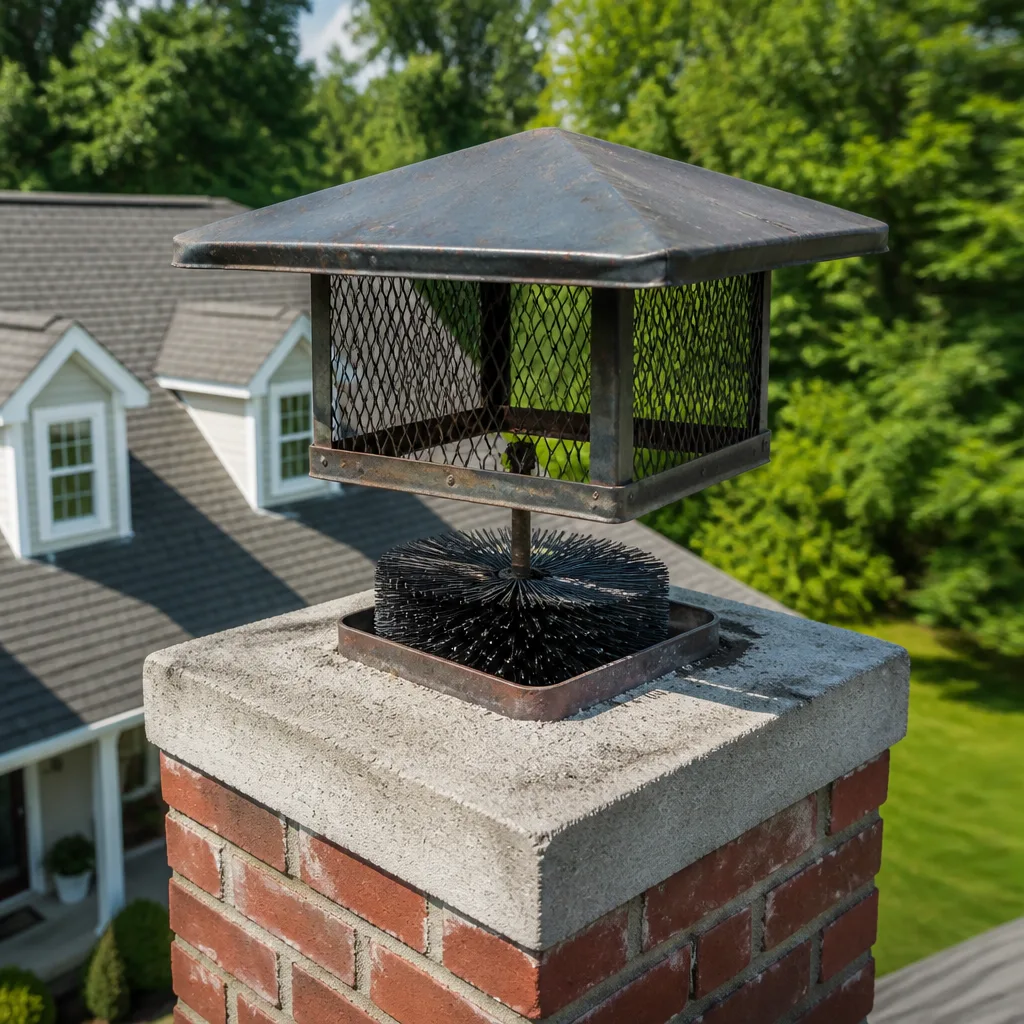 Sweep & inspection
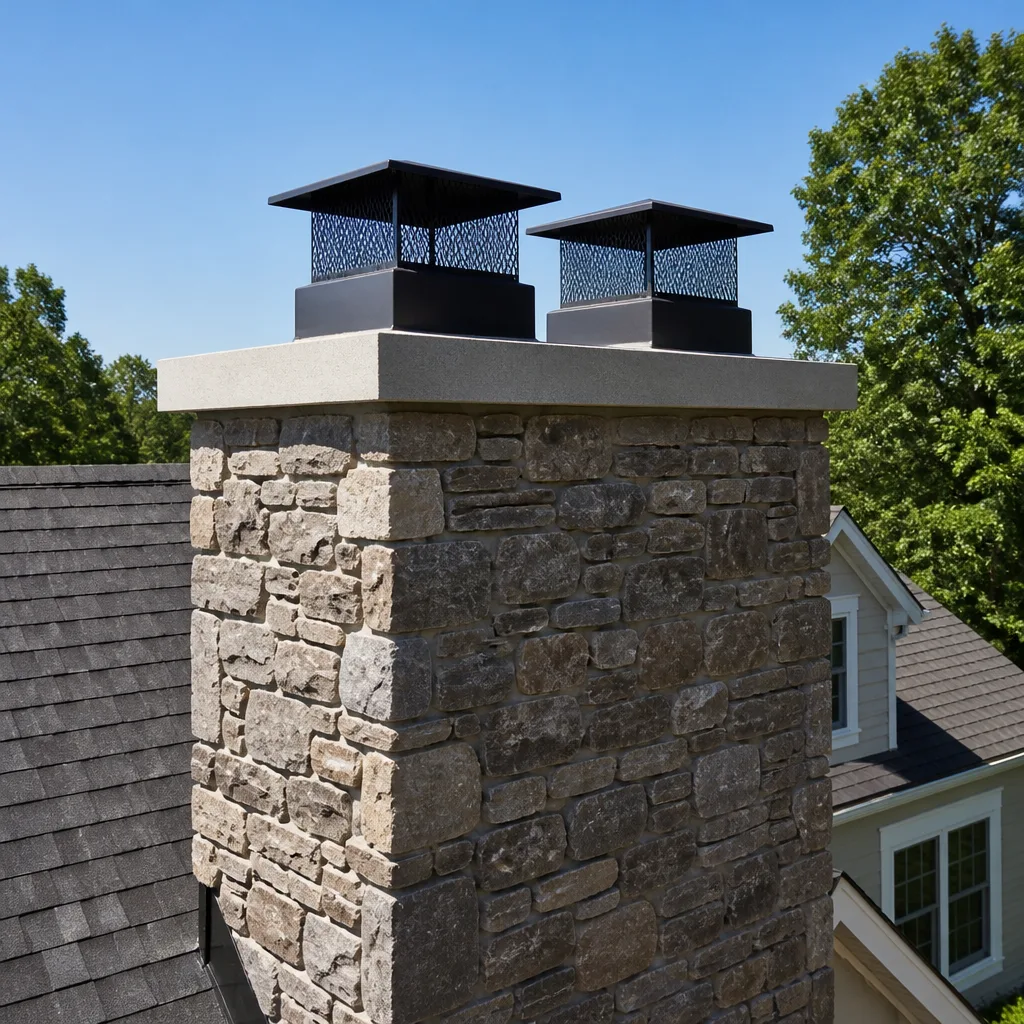 Caps & crowns
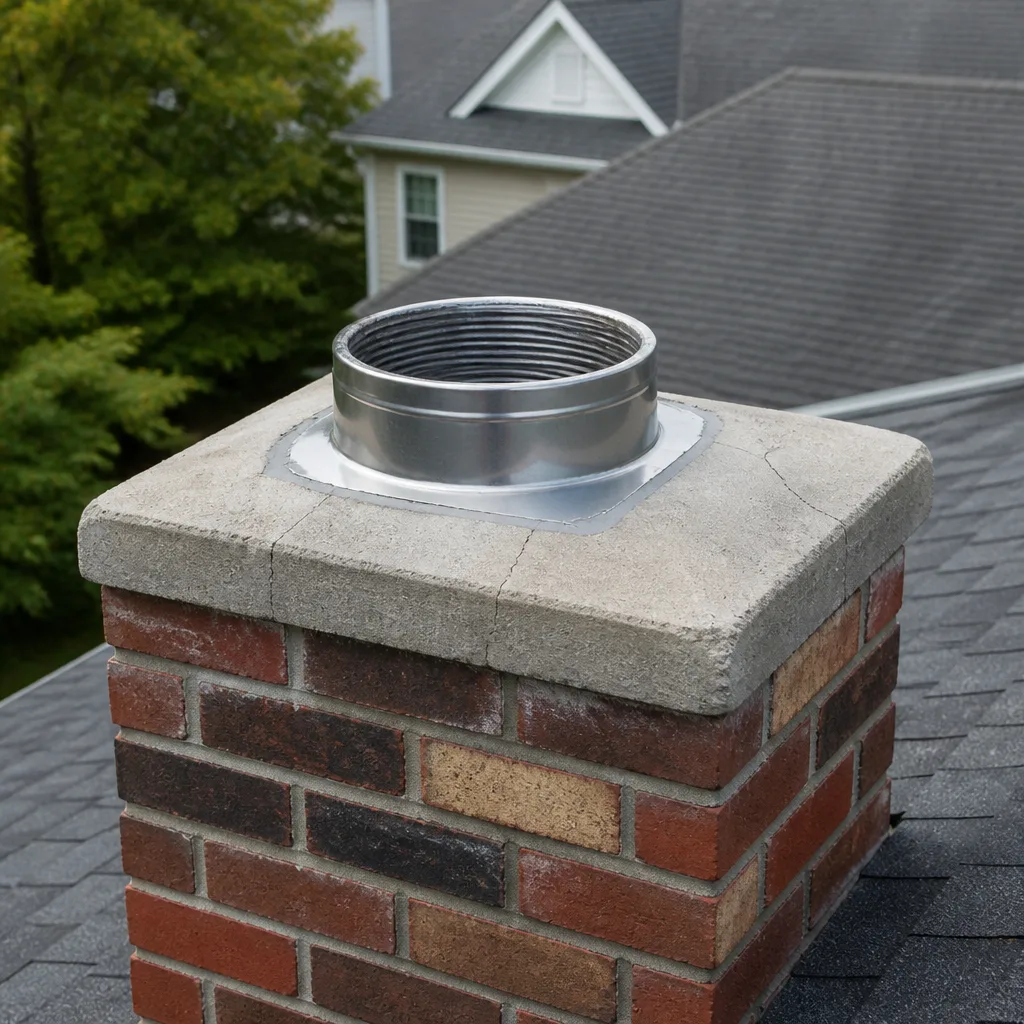 Flue relining
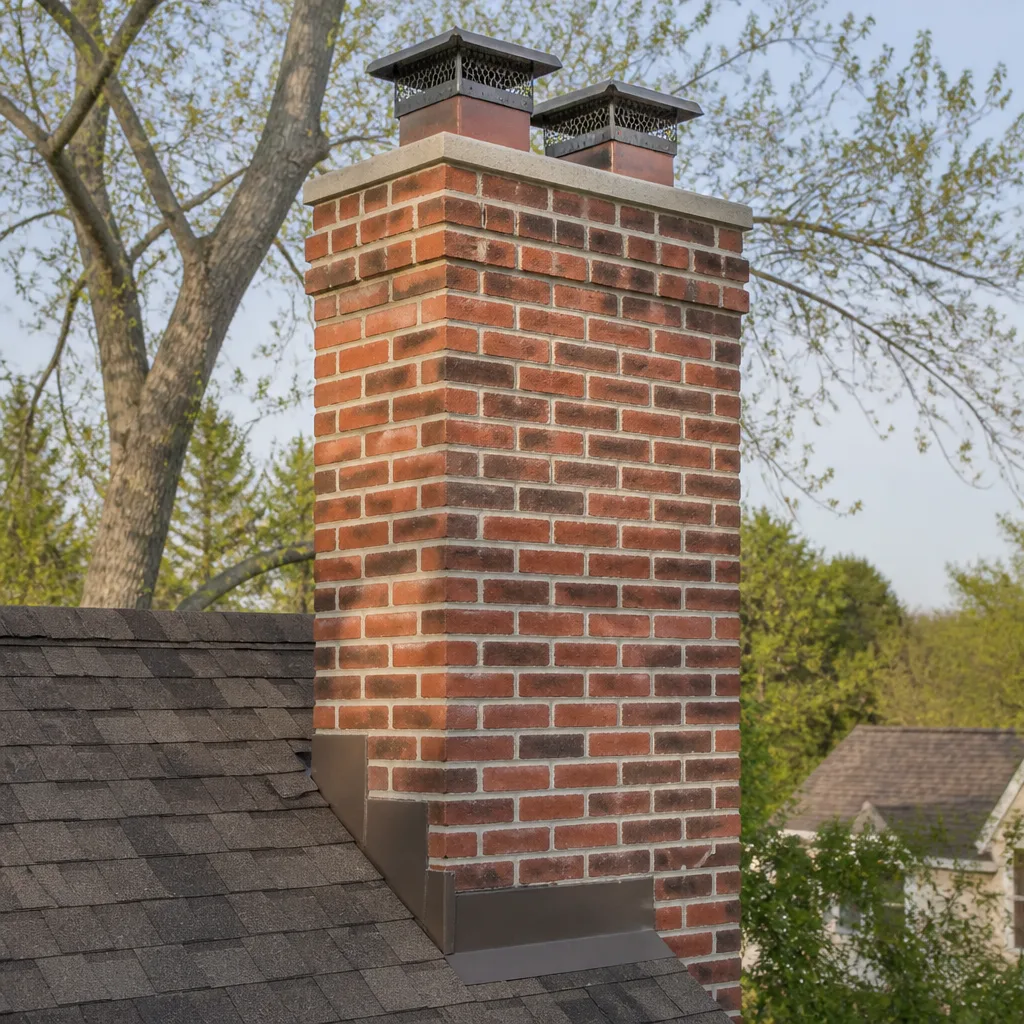 Masonry repair
 Gas fireplace service
Level 1 sweep and inspection to the NFPA 211 annual standard - flue, crown, cap, and flashing checked and photographed
Chimney sweep logs do not sweep chimneys. They loosen some creosote - which then falls where a brush and vacuum still have to collect it.
Chimney Cleaning Permits, Codes & Inspections in Everett, WA: What You Need to Know
A chimney cleaning visit that uncovers a cracked terra cotta flue liner isn’t just a repair – in Washington State it triggers building code requirements under the Uniform Mechanical Code and potentially a permit obligation that your contractor is legally required to pull. Most homeowners in Everett assume a sweep is a routine, permit-free errand, and for the cleaning itself they’re right. The complication comes the moment the inspection camera finds something. This guide walks through which chimney work in Everett is exempt and which needs a permit, how the City of Everett Development Services process actually runs, what Washington’s adopted residential code says about clearances and liners, how unpermitted work can undercut an insurance claim, and what NFPA 211 inspection standards mean for you. By the end you’ll know what to ask a contractor before any repair gets quoted.
Quick Answer
Routine chimney cleaning in Everett does not require a permit, but structural repairs – liner replacement, firebox rebuilds, masonry reconstruction, and new wood or gas appliance installation – generally do, under Washington State’s adopted building code and City of Everett permit rules. A licensed chimney contractor is responsible for pulling those permits, and unpermitted repair work can complicate homeowner’s insurance claims after a fire. Every professional chimney inspection should be measured against NFPA 211.
Styles & brands we work with
- Sweep & inspection
- Caps & crowns
- Flue relining
- Masonry repair
- Gas fireplace service
Table of Contents
- Which Chimney Work in Everett Is Permit-Exempt and Which Needs a Permit
- How the City of Everett Development Services Permit Process Works
- What Washington State’s Adopted Residential Code Means for Your Chimney
- NFPA 211: The Standard Every Chimney Inspection Is Measured Against
- How Unpermitted Chimney Work Affects Insurance Claims
- Why Everett’s Climate and Housing Stock Make Chimney Condition Different
- What to Ask a Chimney Contractor Before Any Repair
- Common Mistakes to Avoid
Which Chimney Work in Everett Is Permit-Exempt and Which Needs a Permit
The line between a maintenance item and a permitted project is clearer than most homeowners expect. Routine work stays exempt. Anything that alters the chimney structure or changes the appliance connection generally requires a permit. Here’s how that breaks down in Everett.
Typically permit-exempt
- Sweeping and cleaning. A standard chimney sweep – brushing flues, removing creosote, cleaning the firebox and smoke chamber – is maintenance and does not require a permit.
- Cap and screen replacement. Swapping a damaged chase cover or spark arrestor is a top-of-chimney accessory job.
- Minor tuckpointing. Repointing isolated mortar joints, especially near the crown where hairline cracks show up first, is considered routine maintenance.
- Level 1 and Level 2 inspections. A professional chimney inspection is diagnostic, not construction.
Generally permit-required
- Full chimney relining. Installing a new flue liner changes the venting path of a solid-fuel appliance and falls under mechanical and building code provisions. A DuraFlex stainless liner installation on a deteriorated flue is a permitted repair.
- Firebox rebuilds. Rebuilding firebrick or resetting a firebox falls into structural masonry scope.
- Chimney reconstruction. Tearing down and rebuilding masonry above the roofline, or addressing a leaning chimney, requires a permit and, in many cases, a structural review.
- New appliance installation. Installing a wood insert, wood stove, or gas appliance that connects to the chimney typically requires both a permit and a final inspection.
- Changing the flue configuration. Adding a second flue or connecting an additional appliance to an existing chimney.
If a chimney repair in Everett is going to shift the chimney from “swept” to “rebuilt,” that’s when the paperwork starts. A contractor who skips the permit on a relining job is doing you no favors – see chimney repair for how a legitimate repair scope is written up, permit included.
How the City of Everett Development Services Permit Process Works
Everett runs its permitting through the City of Everett Development Services department, which handles building and mechanical permits for residential work. Residential chimney repairs usually fall under a building permit, sometimes paired with a mechanical permit when an appliance is involved. The steps typically follow this sequence:
- Scope of work is defined. Your chimney contractor documents the condition with photos and a written scope – what’s failing, what gets replaced, what meets code after the work.
- Application is submitted. The contractor files the permit application with Development Services, often with manufacturer specifications attached (the liner spec sheet, appliance listing, or material data).
- Plan review occurs. Straightforward repairs can move through review quickly; full reconstruction or structural work takes longer and may trigger additional review.
- Permit is issued, work is scheduled. The permit needs to be issued before the crew starts. Working ahead of the permit and “getting it inspected later” is not how this is supposed to go.
- Inspection is performed. Depending on the scope, one or more inspections occur – rough-in before a liner or firebox is closed up, final inspection after the work is complete.
Timelines vary with project complexity and the department’s workload. A liner replacement is typically a simpler path than a full masonry rebuild. The critical takeaway: a proper chimney contractor manages this for you, and if a crew offers to “skip the permit to save time,” that is the moment to walk. For the cleaning-and-inspection side of that same visit, see chimney sweep.
What Washington State’s Adopted Residential Code Means for Your Chimney
Washington State has adopted the International Residential Code, and it incorporates mechanical code provisions including the Uniform Mechanical Code for venting and combustion appliances. In practice, that means your chimney is judged against a standardized set of requirements covering clearances, liner integrity, and vent sizes.
A few practical provisions homeowners run into:
- Clearance to combustibles. The chimney must maintain required distance from framing, roof decking, and other combustible materials. A chimney that’s been “made to fit” against the wood framing is a fire hazard and a code issue.
- Liner specification. A flue requires a properly sized, listed liner. Terra cotta clay tile counts when intact; when it’s cracked or spalled, a listed stainless liner or a structural coating is required.
- Venting the correct appliance. A wood appliance needs a suitable interior flue; a gas appliance vented into an oversized flue can cause drafting problems and condensation damage.
- Termination height. Chimneys must terminate at the required height above the roof to draw properly and to keep sparks and smoke away from the roof surface.
When we evaluate a chimney in Everett, this code framework guides the diagnosis, not the sales pitch. If a liner is deteriorated to a structural level, a spray-on product like HeatShield can restore the liner surface where conditions allow; where the flue is too far gone, a DuraFlex stainless liner is the safer long-term path. Both are professional-grade materials that meet recognized listings, not generic substitutes.
NFPA 211: The Standard Every Chimney Inspection Is Measured Against
NFPA 211 is the standard for chimneys, fireplaces, vents, and solid fuel-burning appliances. It’s the reference document inspectors and technicians work from, and it defines the three inspection levels homeowners should know about.
- Level 1 inspection. A visual check of accessible parts of the chimney – done during a routine sweep, when the appliance and fuel type are unchanged.
- Level 2 inspection. Includes a video camera scan of the flue interior – required when a property changes hands, after a chimney fire, after an event likely to damage the chimney, or when an appliance is added or replaced.
- Level 3 inspection. Includes a physical examination of concealed areas of the chimney – reserved for a suspected problem that can’t be evaluated from the accessible parts.
The camera scan is where the evidence lives. Cracks, spalling, offset flue tiles, disconnected sections, and creosote glazing show up on camera, and you can watch the same footage the technician is seeing. In our experience, that photo and video documentation is what makes the difference between a homeowner agreeing to a repair and a homeowner being told they need thousands of dollars of work with nothing to verify against.
For the local picture, the Chimney Sweep Everett overview and the general sweep guide at the Everett hub cover the level of inspection that fits most homes here.
How Unpermitted Chimney Work Affects Insurance Claims
Homeowner’s insurance in Washington State generally has an exclusion or condition tied to work performed without required permits and inspections. If a chimney fire or carbon monoxide event occurs and an adjuster finds a liner that was installed without a permit – or a firebox rebuilt without an inspection record – the claim can be denied or reduced. That is the practical risk of skipping the paperwork.
The claims side gets examined from two angles:
- Was the work that failed permitted and inspected? A permit and final inspection create a record that the installation was reviewed. Without that, the insurer may argue the work was outside code.
- Was the chimney maintained? A documented sweep and inspection history shows the homeowner was acting responsibly. Creosote buildup is a known hazard, and records of regular cleaning help.
For homes that change hands in Everett, a Level 2 inspection with camera evidence is often requested by the buyer’s insurer. Missing inspection records on a recently relined chimney can stall a closing. If a repair is quoted after a sweep, ask whether a permit is part of the scope. If it isn’t, ask why.
Why Everett’s Climate and Housing Stock Make Chimney Condition Different
Everett’s wet marine climate pushes moisture against masonry in a way that drier regions don’t see. Freeze and thaw cycles above the roofline open hairline cracks in the mortar and crown, and once water gets into the masonry, spalling and premature liner deterioration follow. Neighborhoods with older housing stock – Bayside, Port Gardner, and parts of the Riverside area – deal with original brick chimneys that have seen decades of this cycle, and the crowns often weren’t built with a modern overhang. Homes on the north and east sides of the city, closer to the foothills, see colder winter lows and more frost-driven deterioration than properties down near the waterfront.
The practical implication for a sweep in Everett is that a clean bill of health on the flue interior is not the full picture. The exterior masonry, crown, and chase cover need to be checked from the rooftop, and that’s where Gelco and Famco coatings and weatherproofing products come in. A crown that lets water in will eventually ruin a liner from the outside in, and no amount of interior sweeping prevents it. That’s the invisible half of chimney maintenance most homeowners never see.
If your home sits on a hillside lot with wind exposure, you’ll also want to check the termination cap and the chimney chase for signs of movement – wind-driven rain and uplift can loosen a cover over a single season. Neighborhood-specific guides, like the Riverside and Port Gardner pages on this site, go into more detail for each area.
What to Ask a Chimney Contractor Before Any Repair
Before you book a repair in Everett, ask these six questions. Answers will tell you whether you’re dealing with a specialist or a generalist with a ladder:
- “Can you show me the camera footage?” A specialist walks you through what the camera sees on the flue interior – cracks, spalling, offsets, and glazing.
- “Does this repair require a permit?” A specialist knows the answer cold, and if a permit is needed, knows who pulls it.
- “What materials will you use?” Ask for the brand and listing. Professional-grade options include DuraFlex stainless liners, HeatShield structural coatings, and Copperfield and Olympia Chimney products for flue and venting work.
- “Is the repair matched to NFPA 211?” The standard is public. Ask whether the scope meets it.
- “Can this wait safely?” A specialist will tell you honestly when a minor tuckpointing job can be scheduled months out and when it can’t.
- “What’s the inspection level?” A routine sweep includes a Level 1. If you’ve had a chimney fire, a change of appliance, or you’re selling, ask for Level 2 with camera.
We name the brands we use because the materials behind a repair matter as much as the labor. Chimney work is a safety trade. We treat it like one. Ask the same questions of anyone who quotes the job.
Common Mistakes to Avoid
- Assuming a sweep needs no paperwork and a repair needs none either. The first assumption is fine, the second is not. Relining, firebox rebuilds, and appliance replacements need to be permitted.
- Letting a contractor “handle” a permit without seeing the paperwork. Ask for the permit number and the final inspection sign-off when the work is done, and keep both with the house records.
- Hiring a roofer or general handyman for a chimney liner. Chimney work has its own code provisions and materials. A generalist is likely to skip the permit without knowing it’s required.
- Treating a Level 1 inspection as a full picture. A visual check from the ground misses liner damage that a Level 2 camera scan finds. If the chimney’s history is unknown, ask for the camera.
- Ignoring the exterior because the flue looked clean. In Everett’s wet climate, the exterior masonry and crown are where water gets in – and where the liner eventually fails from the outside.
- Skipping the permit to save time on a repair. The permit isn’t the hassle. The hassle is the denied claim or the code-correction order when a future buyer’s inspector finds the work wasn’t documented.
- Not asking for a written scope before signing. A quote with no materials, no inspection level, and no permit line is not a quote you can evaluate. Ask for the written scope.
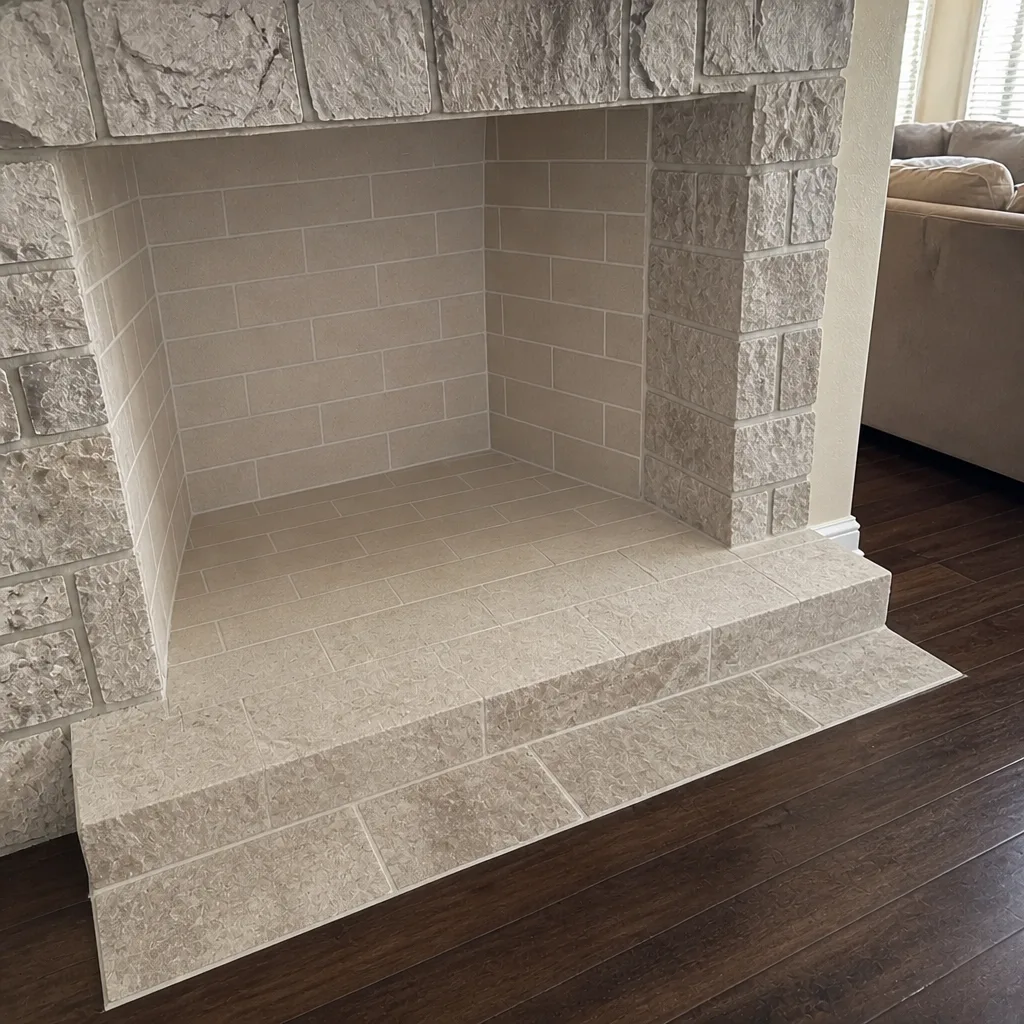
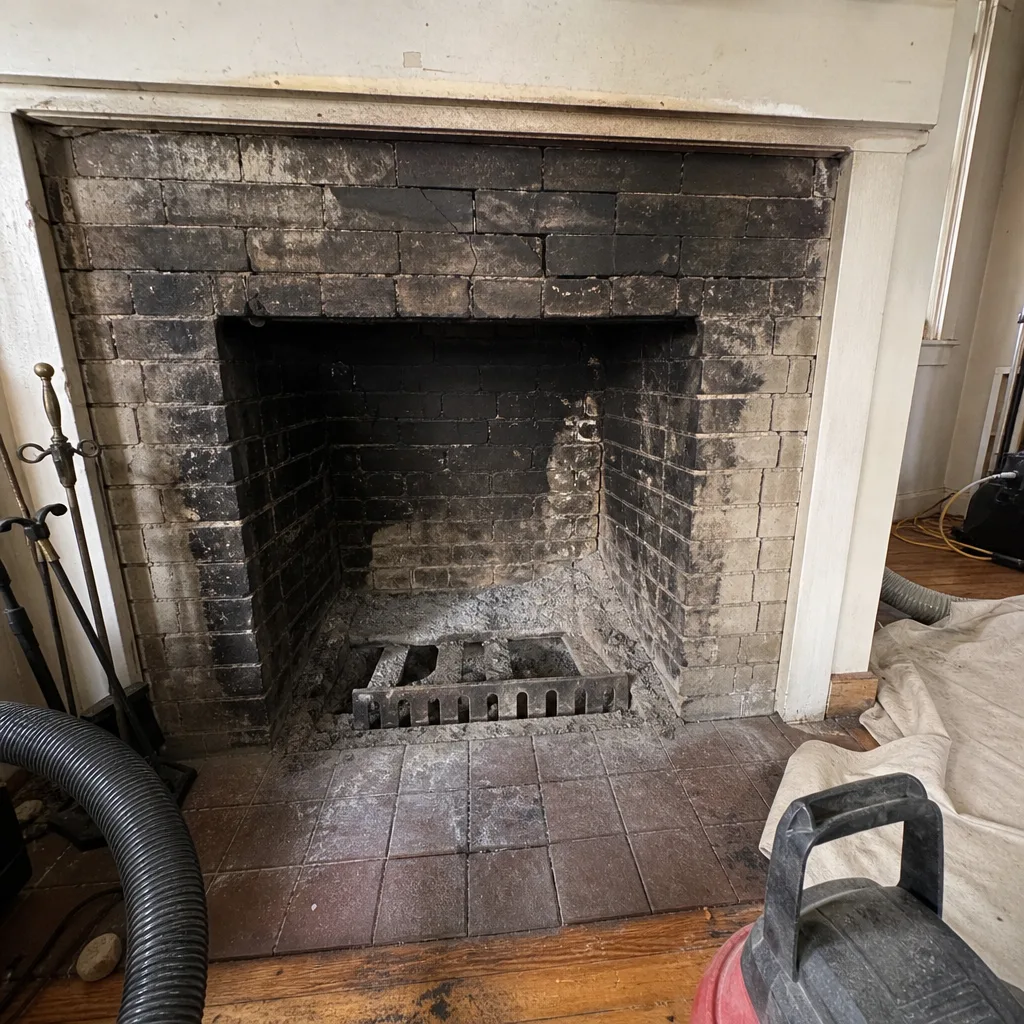
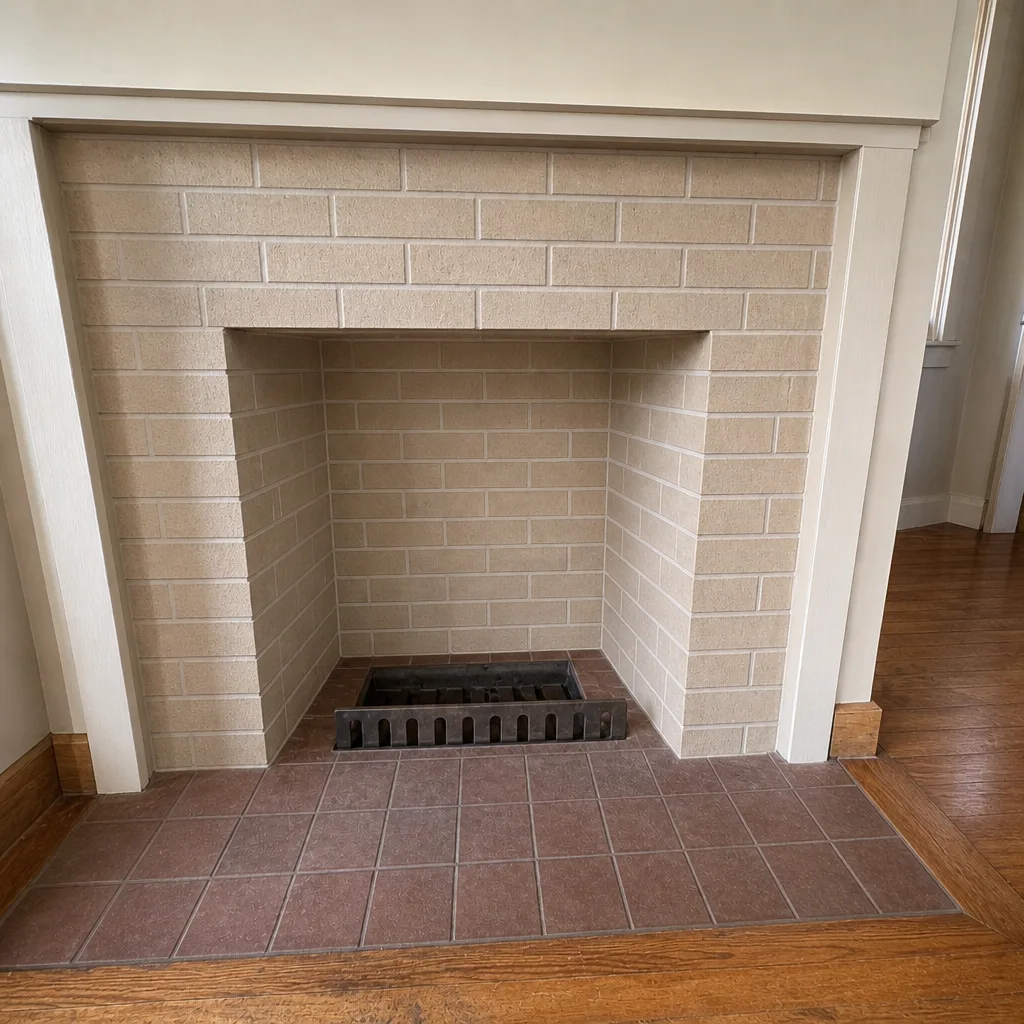
See the difference
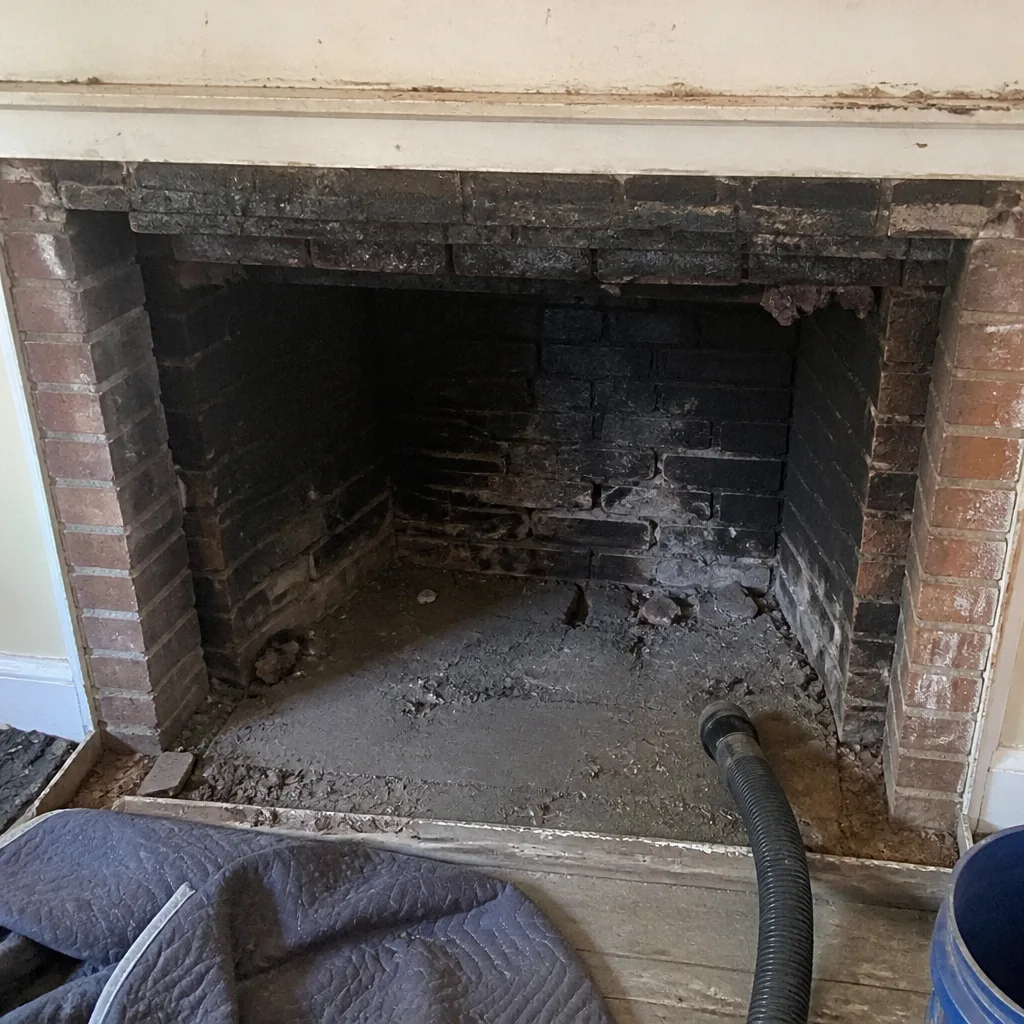 Before
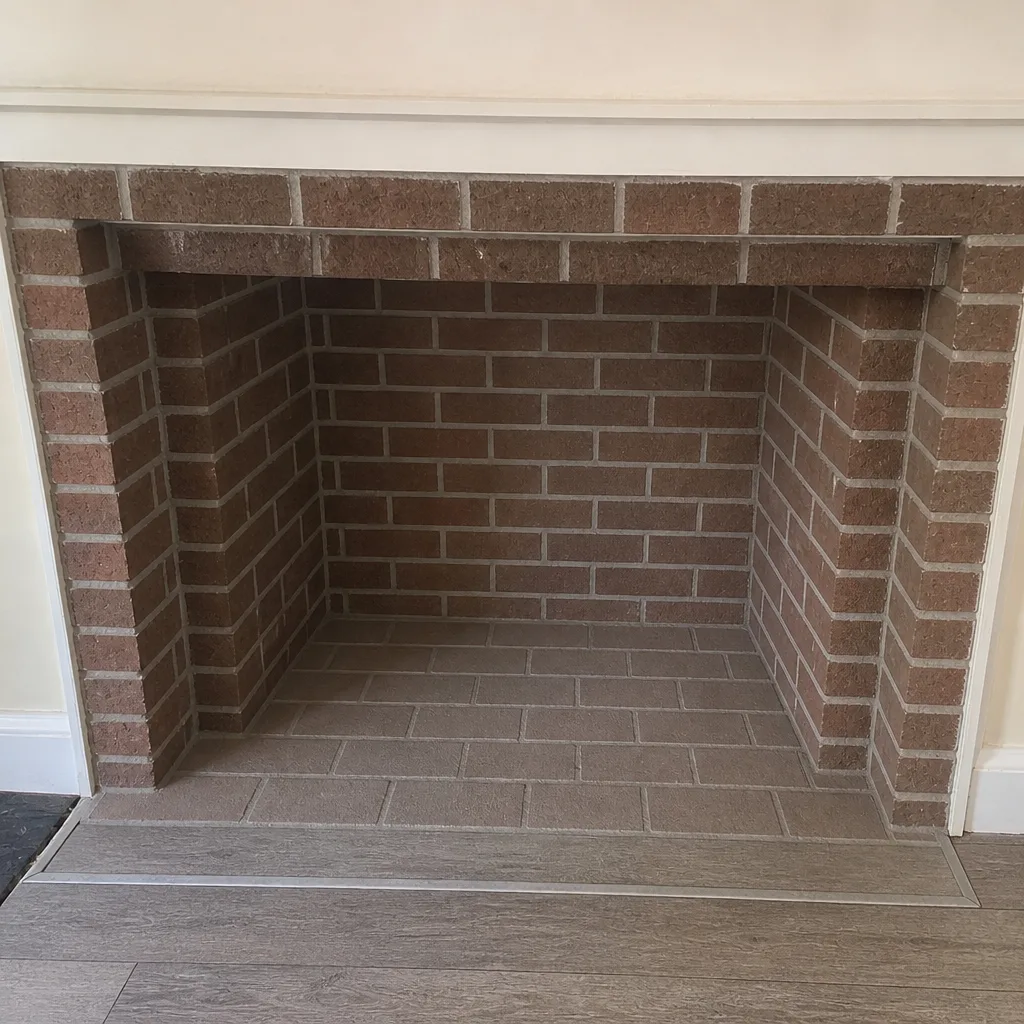 After
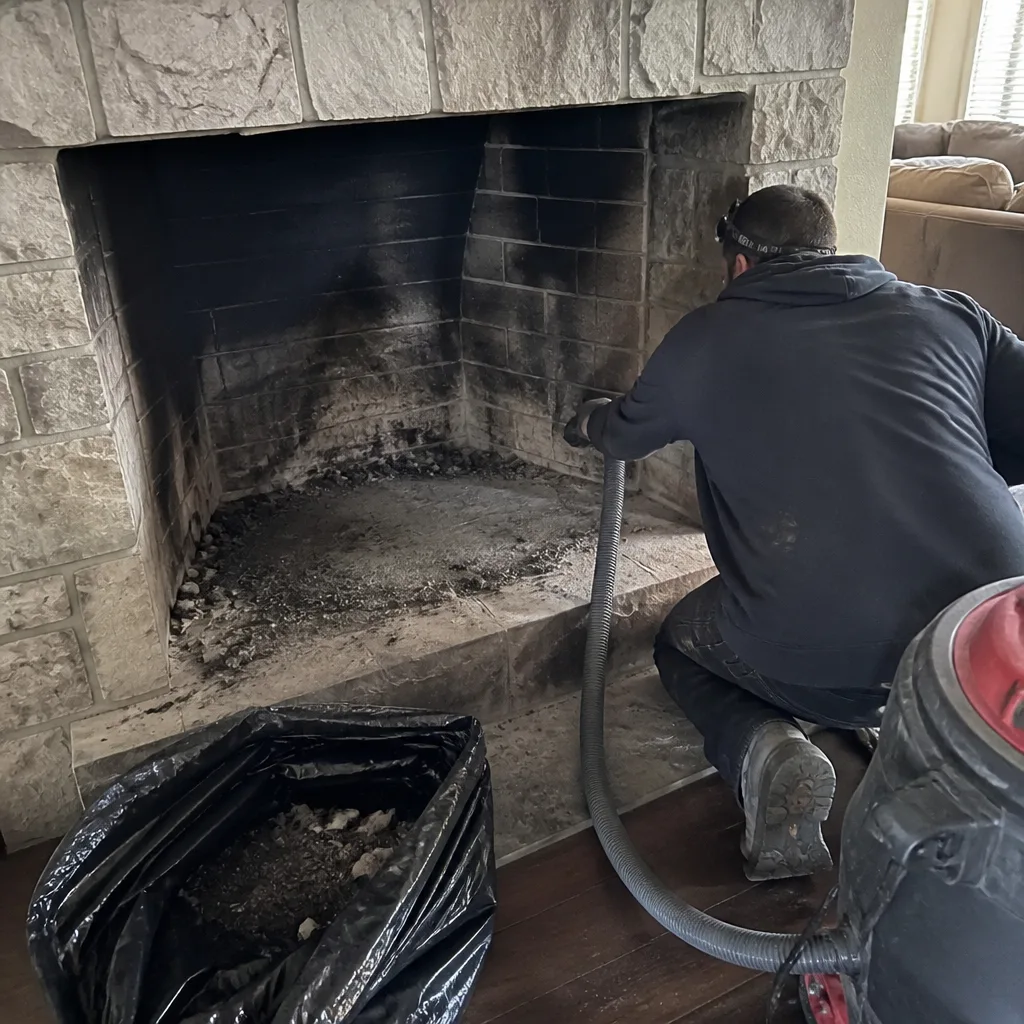 Before
 After
 Before
 After
When to Call a Professional
Call a chimney specialist in Everett when a sweep uncovers damage you can see on camera, when a liner is cracked or missing, when mortar is crumbling at the crown, when a firebox has lost firebrick, or when you’re installing or replacing a wood or gas appliance. Also call if you’re selling a home and the buyer’s insurer asks for a Level 2 inspection, or if you’ve had a chimney fire – even a small one. Chimney Sweep Everett offers free estimates in Everett – call (888) 545-1163 – and we can look at the full picture: sweep, inspection with camera and photo report, and repair, all with one team. The phone line is open 24 hours; ask about permits and we’ll tell you straight what needs one and what doesn’t.
Frequently Asked Questions
No. Routine chimney cleaning, sweeping, and standard inspection do not require a permit in Everett. Permits come into play when a repair changes the structure of the chimney or the flue – liner replacement, firebox rebuild, masonry reconstruction, or new appliance installation. Call (888) 545-1163 for an exact quote – estimates are free.
A standard chimney sweep in the Everett area typically runs around $150 to $350 depending on the number of flues, the level of creosote, and access. Inspection and camera work may be quoted separately. The written estimate sets the final price – call (888) 545-1163 for an exact quote, and estimates are free.
Only if the inspection camera shows the existing liner is cracked, spalled, or disconnected. A terra cotta flue in good shape doesn’t need replacement. If the liner is deteriorated but the chimney structure is sound, a HeatShield applied coating can restore it; a full DuraFlex stainless liner is the choice when the damage is structural. Ask to see the camera footage before you agree to either.
A wood-burning chimney should be swept at least once a year, and more often if you burn heavily through the wet season. Gas appliances need an annual inspection. In Everett’s climate, the exterior masonry, crown, and cap should be checked on that same visit – annual sweep and inspection records also help if an insurance claim ever comes up.
A Level 1 inspection is a visual check of the accessible parts of the chimney, done during a routine sweep. A Level 2 inspection adds a video camera scan of the flue interior and is required when a property changes hands, after a chimney fire, or when an appliance is replaced. Ask for the level by name when you book.
Creosote builds up on the flue walls and becomes a chimney fire hazard; a glazed or blocked flue can also push carbon monoxide back into the living space. Skipping maintenance also means small masonry problems stay hidden until they’re expensive. Call (888) 545-1163 for an exact quote – estimates are free.
The Bottom Line
Chimney cleaning in Everett doesn’t need a permit. Chimney repair, relining, firebox rebuilds, and appliance installation generally do, and the contractor is responsible for pulling it. The work is measured against NFPA 211, which means the inspection camera is where the truth lives – cracks, spalling, and disconnected flues show up on camera, and you can watch the footage yourself. Water is the other enemy in Everett’s climate: crowns, masonry, and chase covers need to be checked every year alongside the flue. Call (888) 545-1163. We answer 24/7. Fast dispatch from 7am to 7pm, Sunday through Friday.
Written by the team at Chimney Sweep Everett.