
Last updated November 16, 2026
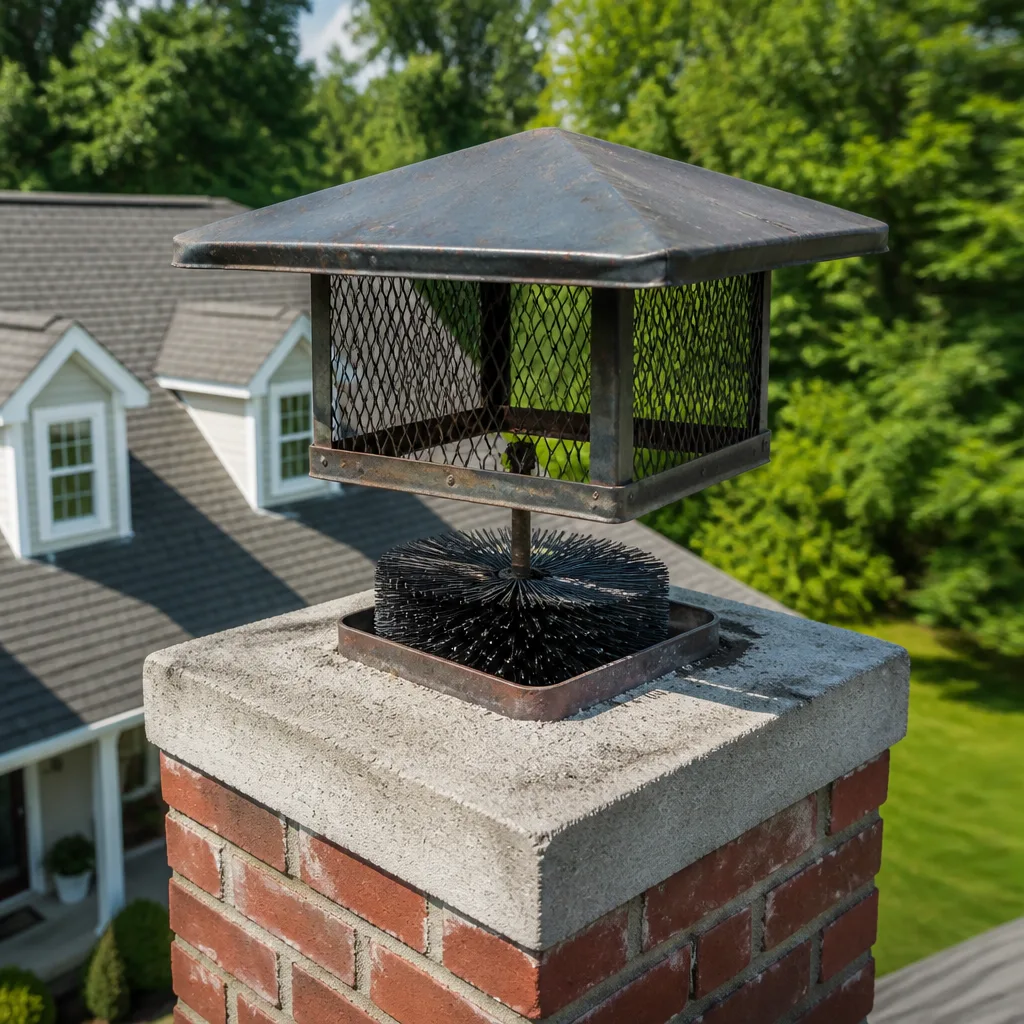 Sweep & inspection
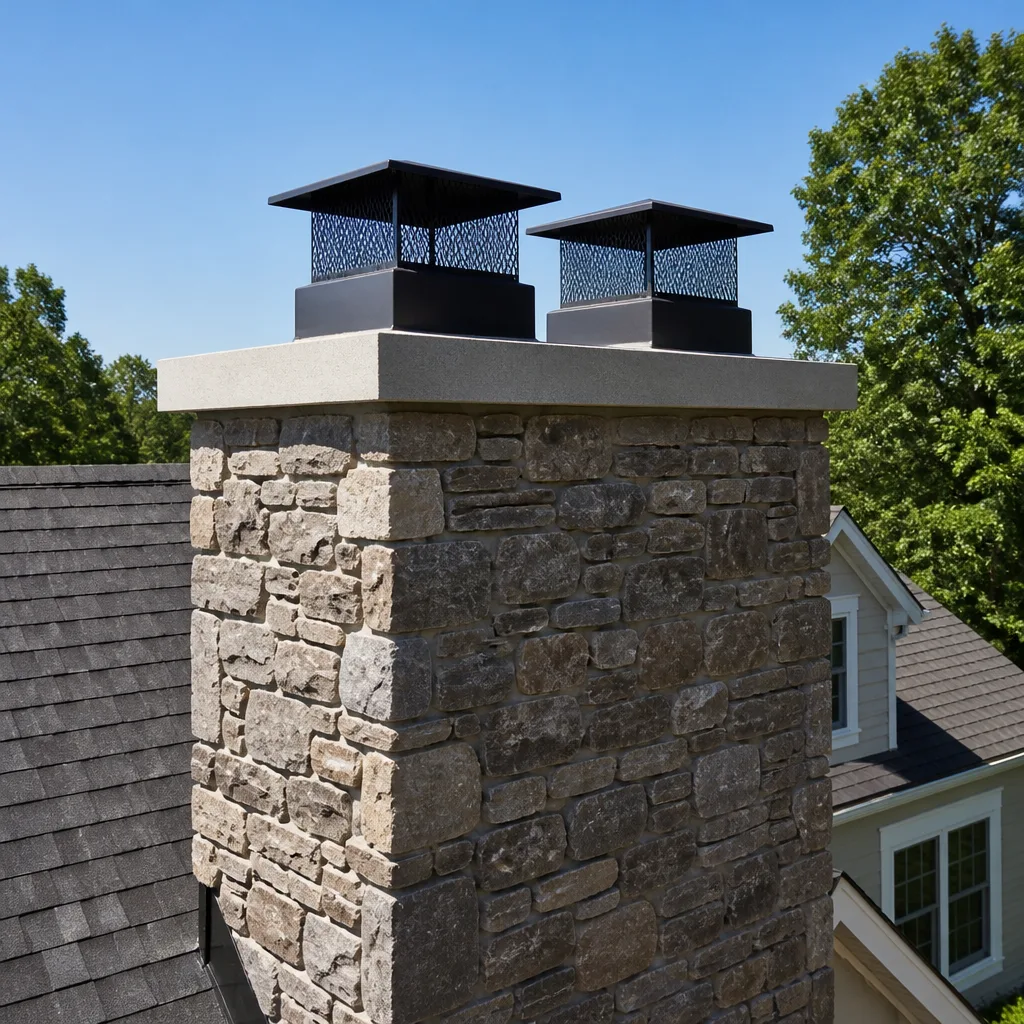 Caps & crowns
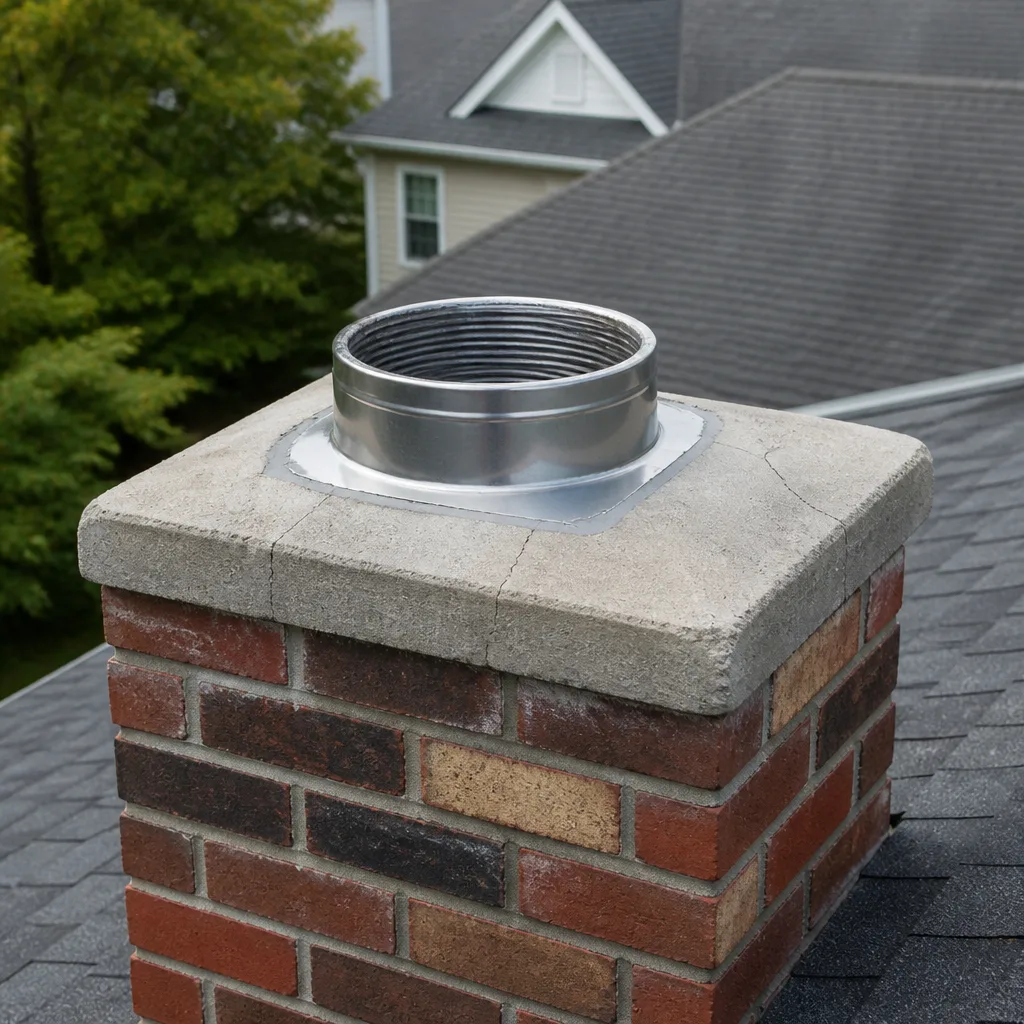 Flue relining
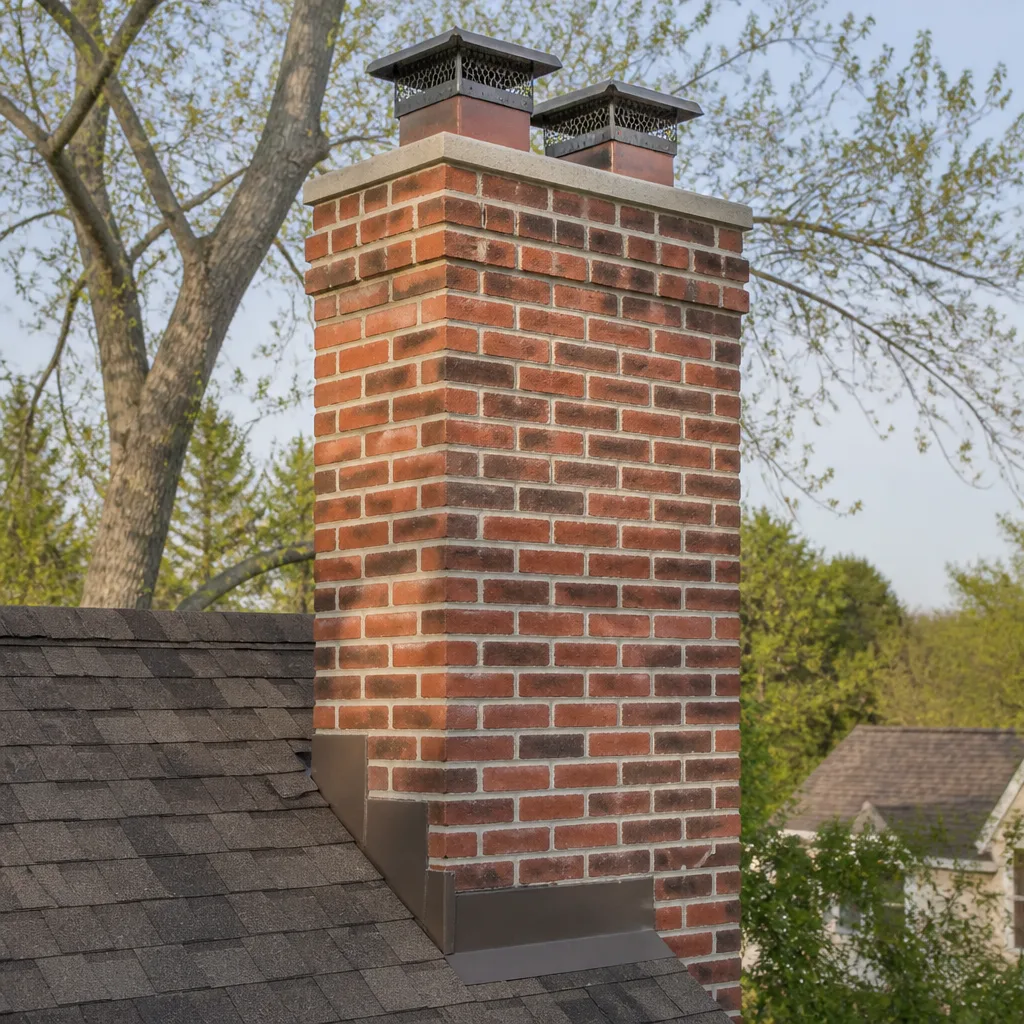 Masonry repair
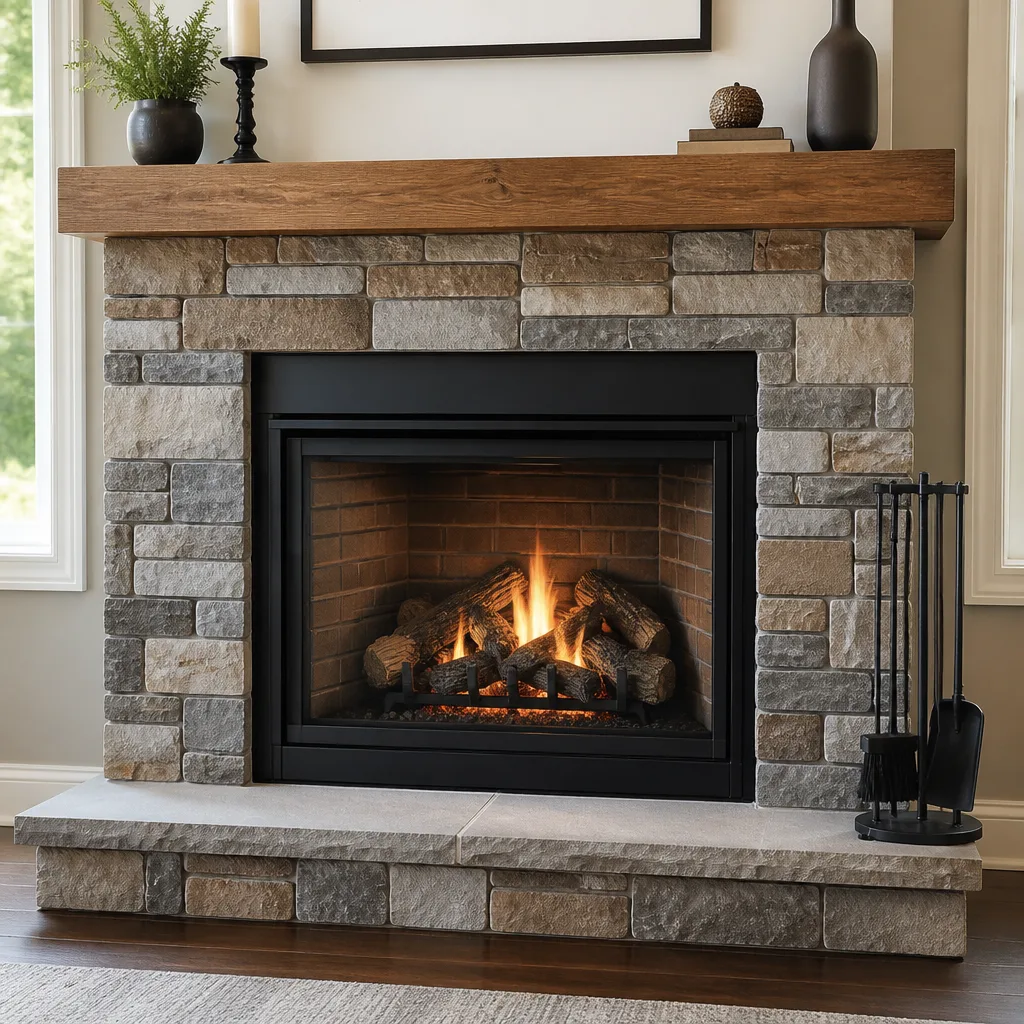 Gas fireplace service
Level 1 sweep and inspection to the NFPA 211 annual standard - flue, crown, cap, and flashing checked and photographed
Chimney sweep logs do not sweep chimneys. They loosen some creosote - which then falls where a brush and vacuum still have to collect it.
Seasonal Chimney Cleaning Care for Everett: Year-Round Homeowner’s Guide
Most chimney advice assumes a climate with one cold season and one dry one. Everett doesn’t work that way. We get wet winters that push rain sideways against flashing, mild springs that never quite dry a chimney out, short dry summers that bake creosote onto flue walls, and storm-heavy falls that strip caps and loosen masonry. A single annual sweep, scheduled whenever there’s an opening, misses most of that. This guide walks through what your chimney actually needs in each season here, why a two-visit rhythm often makes more sense than one, and how to time repairs so weather works for you instead of against you.
Quick Answer
Chimney care in Everett follows a seasonal rhythm rather than a single yearly appointment: a post-summer inspection and sweep in September or October before first use, careful burning and mid-season checks through winter, a moisture and flashing inspection in spring after the wet season, and masonry or liner repairs scheduled for the dry summer months when materials cure properly. Households that burn heavily often benefit from a second sweep mid-winter, which is why a two-visit schedule is common here rather than a single annual cleaning.
Styles & brands we work with
- Sweep & inspection
- Caps & crowns
- Flue relining
- Masonry repair
- Gas fireplace service
Table of Contents
- Why Everett’s Climate Changes the Chimney Calendar
- Fall (September-October): The Pre-Season Visit That Prevents the Scramble
- Winter (November-February): Burning Correctly and Reading the Warning Signs
- Spring (March-May): Post-Season Moisture and Flashing Checks
- Summer (June-August): The Repair Window Nobody Uses
- Why Two Visits a Year Beats One for Many Everett Households
- How to Build Your Own Annual Chimney Calendar
- Common Mistakes to Avoid
Why Everett’s Climate Changes the Chimney Calendar
The Puget Sound lowlands give chimneys a specific set of problems, and they’re different from what a national care guide describes. Winters here are wet and rarely brutally cold. That matters because a chimney that stays damp and cool for months behaves very differently from one that freezes solid and dries out in sun. Rain driven by wind against the north and west faces of a chimney is the real enemy, not deep frost. Water finds its way into cracked crowns, failed flashing, and porous mortar, then sits there.
Springs are mild and slow to dry. A chimney that took on water through winter doesn’t shed it quickly in April and May. That’s the stretch when weak mortar starts to show spalling, and when a crown that developed a hairline crack in a fall storm becomes a visible problem. Summers are short and genuinely dry, which is the one reliable window for anything involving mortar, sealant, or a liner system that needs stable conditions to set correctly. Falls bring the wind and rain events that loosen caps and drive water sideways into joints that were marginal all summer.
Layer onto that the housing stock. Neighborhoods like Bayside, Port Gardner, and the older blocks around downtown have plenty of homes with original or mid-century masonry chimneys, many with clay tile liners that have been through decades of wet-dry cycling. Newer construction out toward Silver Lake and the north end often has factory-built systems with different care needs. Our technicians have up to 15 years of experience working on both, and the seasonal calendar shifts depending on which one you have. What doesn’t change is the basic shape of the year: inspect before you burn, watch while you burn, inspect after the wet season, and do structural work in the dry months.
Fall (September-October): The Pre-Season Visit That Prevents the Scramble
By the time the first genuinely cold night arrives, every chimney professional in Snohomish County is booked out. That’s not a sales line; it’s the predictable result of everyone calling in the same two-week window. The way to avoid it is to schedule your pre-season visit in September, before the rush builds.
What that visit should accomplish goes beyond a sweep. A proper pre-season inspection checks for things the off-season leaves behind:
- Pest nesting. Birds, squirrels, and wasps treat an unused flue as prime real estate from spring through summer. A nest near the top of the flue restricts draft and, in the worst case, blocks it entirely. It has to come out before you light a fire, not after smoke fills the room.
- Creosote accumulation from last season. Even moderate use builds a layer that needs removing before it gets another season’s worth on top. Glazed, hardened creosote is much harder to deal with than the soft, flaky kind.
- Cap and crown damage from fall storms. September storms roll through here before the heating season starts. A cap that took a hit or a crown that cracked over the summer needs attention before it’s tested by a burning chimney.
- Draft performance. A flue that drafts poorly in cool, damp fall air will draft worse in January. Checking it now gives you time to address it.
If your chimney hasn’t been looked at since last winter, this is the appointment that matters most. Our Chimney Sweep Everett service covers cleaning and inspection together, so you get both the sweep and a clear picture of condition before the season starts. Booking it in September means the visit happens on your schedule, not whenever the calendar frees up in November.
Winter (November-February): Burning Correctly and Reading the Warning Signs
Once you’re burning regularly, the goal shifts from preparation to management. How you burn directly controls how much creosote builds up, and creosote buildup is the single biggest factor in chimney fire risk. The variables that matter most are fuel quality and fire temperature.
Burn dry, seasoned wood. Wet wood spends its heat boiling off moisture instead of burning cleanly, which produces cooler smoke and more creosote deposits on flue walls. Don’t choke the fire down to a slow smolder for long stretches; a smoldering fire is a creosote factory. Get the flue warm before you settle the fire in, and keep a reasonable bed of coals rather than constantly feeding small, cool fires.
Mid-season warning signs you can watch for without stopping use:
- Smoke spilling into the room when you open the damper or door, or a fire that’s hard to start and slow to draw. That points to a restriction or a draft problem.
- A strong, sharp creosote smell in the house, especially on damp days, which often signals heavy buildup.
- Dark staining or soot appearing around the fireplace opening or on the chimney exterior near the top.
- Visible cracks in the firebox, damper, or flue tile if you can see them from below.
- Flakes of creosote or debris falling into the firebox.
Any of these is a reason to book an inspection, not a reason to panic. If you’re a heavy burner, a mid-winter sweep in January or February keeps creosote from stacking up through the coldest months. That second visit is the core of the two-visit schedule we’ll come back to. If something looks wrong, our chimney sweep and inspection work will tell you exactly what’s happening inside the flue, with camera evidence you can see for yourself.
Spring (March-May): Post-Season Moisture and Flashing Checks
Spring is when the wet season’s damage becomes visible, and it’s the most underrated inspection window in this climate. Once you’ve stopped burning, the chimney stops drying itself out from the inside. A flue that stays cool and damp through March and April, combined with rain hitting the exterior, is exactly the condition that turns a small mortar problem into a bigger one.
What a spring inspection should focus on:
- Moisture intrusion. Water staining on the chimney breast, damp patches near the fireplace, or a musty smell in the room can all trace back to a chimney that’s taking on water. Finding it in spring gives you a dry season to fix it properly.
- Flashing. The metal or membrane where the chimney meets the roof is the most common leak point on any chimney, and storm season works it loose. Flashing failures are subtle and get worse quietly.
- Crown condition. The concrete or masonry top of the chimney takes everything the weather throws at it. Cracks let water straight into the structure below.
- Cap and spark screen. Winter wind and debris damage caps more often than people expect. A loose cap is both a draft problem and a water entry point.
- Masonry joints. Freeze-thaw cycling in the shoulder months opens mortar joints on older brick chimneys. Catching them now means repointing rather than rebuilding later.
Spring is also the right time to line up summer repair work while the calendar is open. If the inspection flags a deteriorated liner or cracked crown, you can schedule the fix for the dry months instead of discovering in September that you’re competing for attention. Weatherproofing products like those from Gelco and Famco are part of how we address exterior protection once the diagnosis is clear.
Summer (June-August): The Repair Window Nobody Uses
If there’s one thing we’d change about how Everett homeowners think about their chimneys, it’s this: summer is repair season, and almost nobody schedules repairs in summer. They wait until fall, discover a problem, and then need it fixed during the wettest, busiest stretch of the year. That’s backwards.
Masonry and liner work needs dry, stable conditions. Mortar, sealant, and liner systems all cure better when they’re not fighting rain and cold. A crown rebuilt in July sets hard and stays sound; the same work rushed through a wet October is more likely to have problems. Liner installation is the same story. A DuraFlex liner system installed in dry summer conditions and allowed to settle properly is a more reliable job than one crammed into a wet-weather window.
Summer is also when structural restoration work makes the most sense. HeatShield applications address deteriorated chimney interiors at a structural level, and they need the same stable, dry conditions. This is genuinely repair-grade work, not a surface coating, and it’s the reason a chimney specialist who can do it is bringing something a general handyman can’t.
For chimney repair of almost any kind, the summer window gives you options: time to get an accurate diagnosis, time to schedule without pressure, and conditions that let the work last. If you’ve had a flag on your chimney for a while and been putting it off, June through August is when it’s easiest to deal with.
Why Two Visits a Year Beats One for Many Everett Households
A single annual sweep is the standard advice, and for a household that lights a handful of fires a season, it’s reasonable. For anyone burning regularly through a wet Everett winter, a single visit leaves a gap. Here’s why.
Creosote accumulates in proportion to how much you burn. A household running fires most nights from November to February can build meaningful deposits well before the next scheduled sweep arrives. A mid-winter cleaning resets the clock and keeps accumulation from reaching the stage where it’s harder to remove and more of a hazard. Then the pre-season visit in fall starts a clean season, and the spring inspection checks what winter and rain did to the structure.
The two-visit pattern that fits this climate looks like this:
- Early fall (September-October): full sweep and inspection before first use. Clears last season’s creosote, checks for pest nesting, assesses storm damage.
- Mid-winter (January-February): sweep for heavy users. Keeps creosote from stacking up through peak burning season.
- Spring (March-May): inspection focused on moisture, flashing, and masonry. Not necessarily a sweep, but a condition check after the wet season.
Not every household needs all three every year. A light user can collapse this into a fall sweep and a spring inspection. What matters is that you’re not treating one fall cleaning as if it covers everything, because the structural problems in this climate show up in spring, well after the sweep. Our technicians have up to 15 years of experience with both masonry and factory-built systems, and can tell you which rhythm actually fits your setup and how you burn.
How to Build Your Own Annual Chimney Calendar
Building a routine for your specific chimney takes about ten minutes of planning and saves a season of scrambling. Here’s a practical way to do it.
- Figure out your burn volume. Count roughly how many fires you light in a typical winter. Light use (a fire a week or less) can often run on one pre-season sweep plus a spring inspection. Heavy use (most nights) usually warrants a mid-winter sweep. This is the single biggest factor in your calendar.
- Identify your chimney type. Original masonry with a clay tile liner has different care needs than a modern factory-built system. If you’re unsure, an inspection will tell you, and that determines what to watch for.
- Mark the three key dates. September for the pre-season visit, January for the mid-season sweep if you need it, and April for the moisture and flashing check. Put them on the calendar now.
- Schedule the fall visit in summer. Book your September appointment in July or August. This is the one step that eliminates the cold-snap scramble entirely.
- Line up any repairs for June through August. If the spring inspection flags work, schedule it for the dry months while conditions and availability are both in your favor.
- Keep a record. Note each visit, what was found, and what was done. When you inspect again, or if you ever deal with an insurer, having a written history of your chimney is genuinely useful.
If you’d rather not think through the whole calendar yourself, this is exactly the kind of thing we help homeowners in Everett sort out. Three service tiers – sweep, inspection, and repair – all handled by the same team means nobody hands you off between a cleaner and a repair contractor. Your schedule and your records stay in one place.
Common Mistakes to Avoid
- Waiting for the first cold snap to call. This is the classic Everett mistake. By the time the temperature drops, everyone in the county is calling at once. Book in September, or better, in summer.
- Treating one annual sweep as complete care. A fall sweep keeps you safe for a while, but it doesn’t catch the spring moisture problems that this climate is so good at creating. Structure problems show up after the wet season, not during the sweep.
- Skipping the spring inspection after a wet winter. The wet season here is long and driven by wind and rain, and it tests flashing and crowns hard. Spring is when water damage is visible but still cheap to fix.
- Rushing liner or masonry repairs in the fall. Repair work crammed into wet, cold conditions doesn’t cure as reliably. Summer is the window, and using it is the difference between a lasting repair and a redone one.
- Burning wet or unseasoned wood to stretch the supply. This is the fastest way to build creosote in a wet climate where flues already dry out slowly. Dry, seasoned wood burns cleaner and deposits less.
- Ignoring a chimney because nothing looks wrong. Most chimney problems start inside the flue or behind the flashing, where you can’t see them. Clear-looking outside doesn’t mean clear inside.
- Assuming a generalist can handle it. Chimney work is a safety trade. A handyman who also does decks doesn’t have the camera equipment, the liner systems, or the specialty knowledge a real chimney specialist brings.
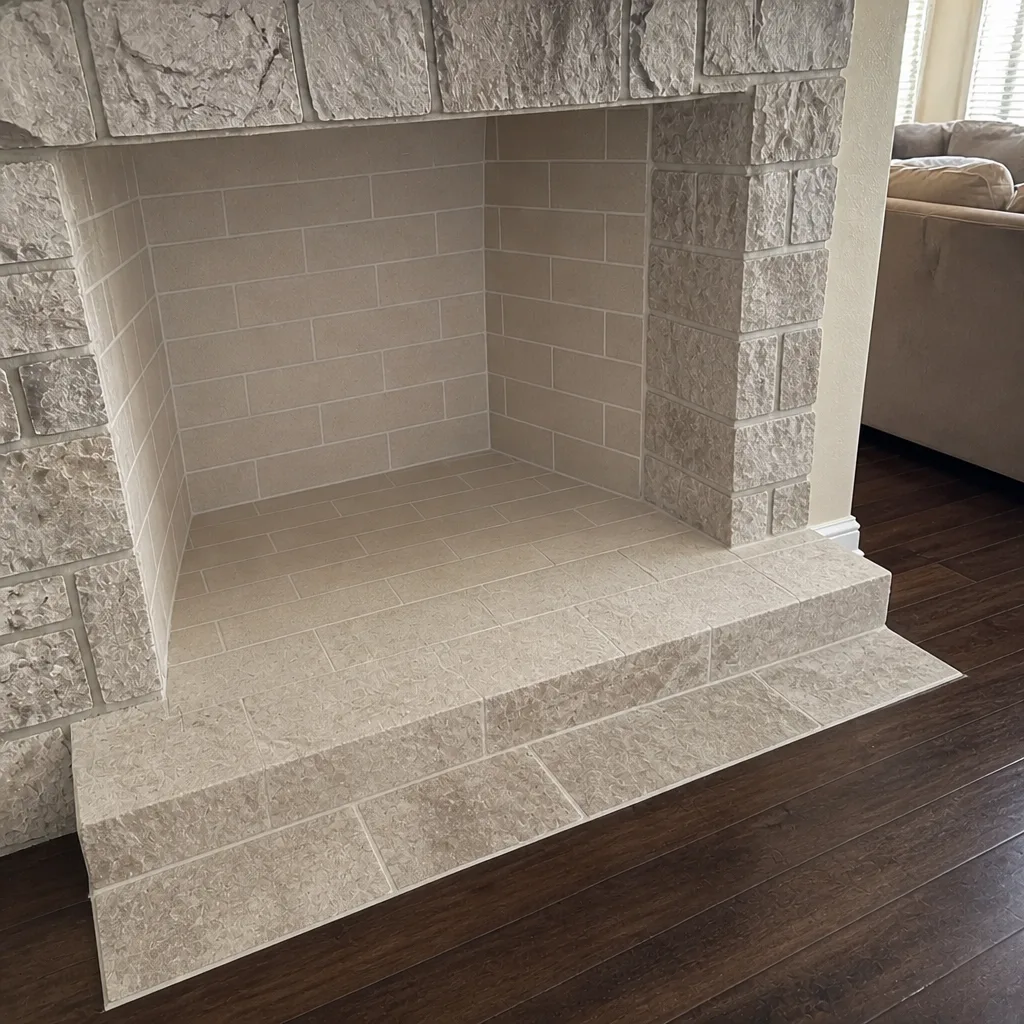
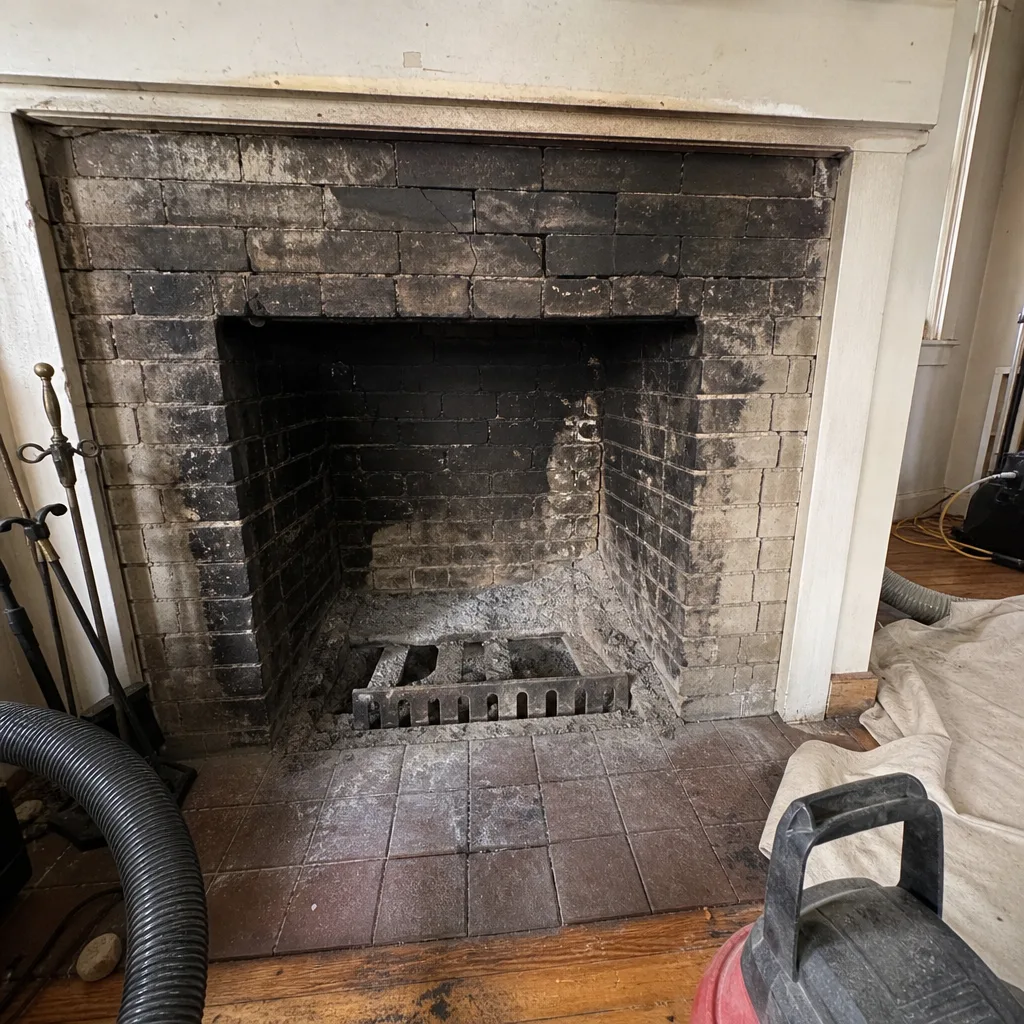
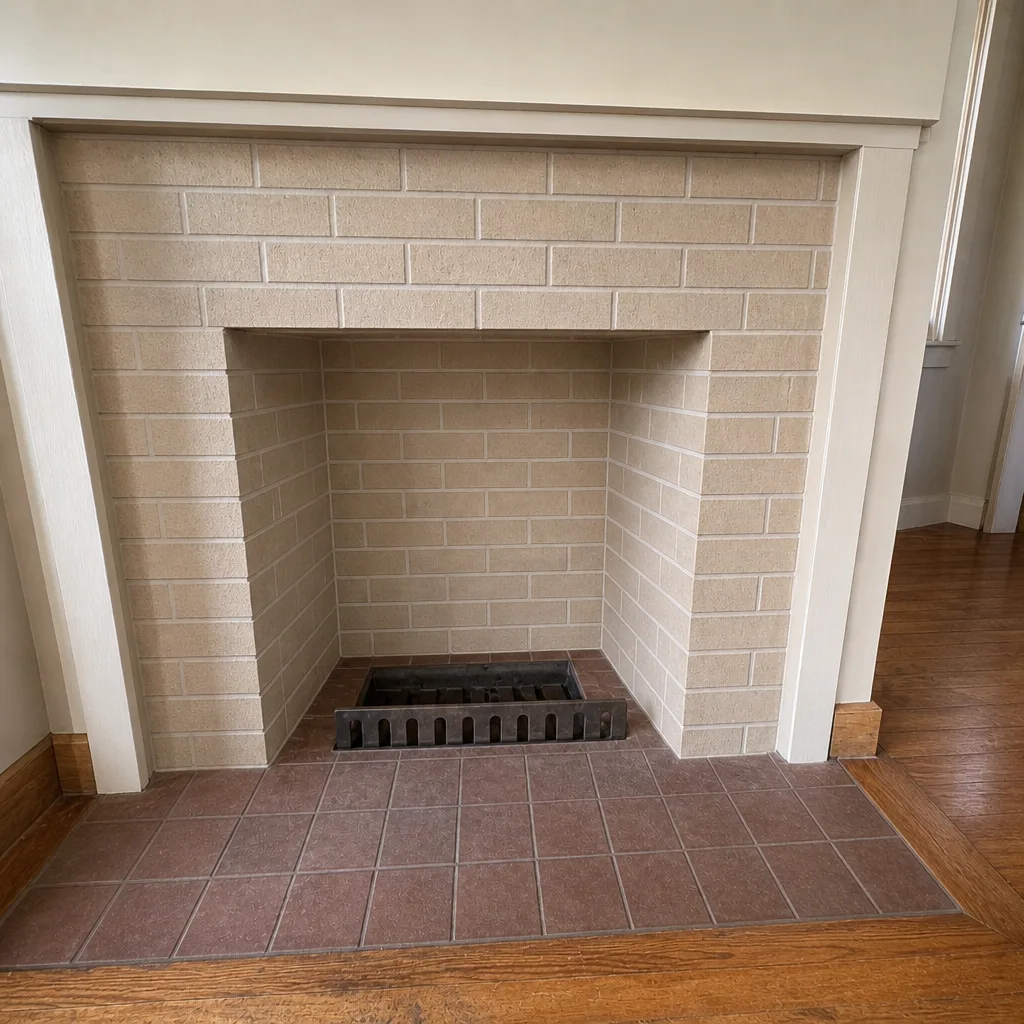
See the difference
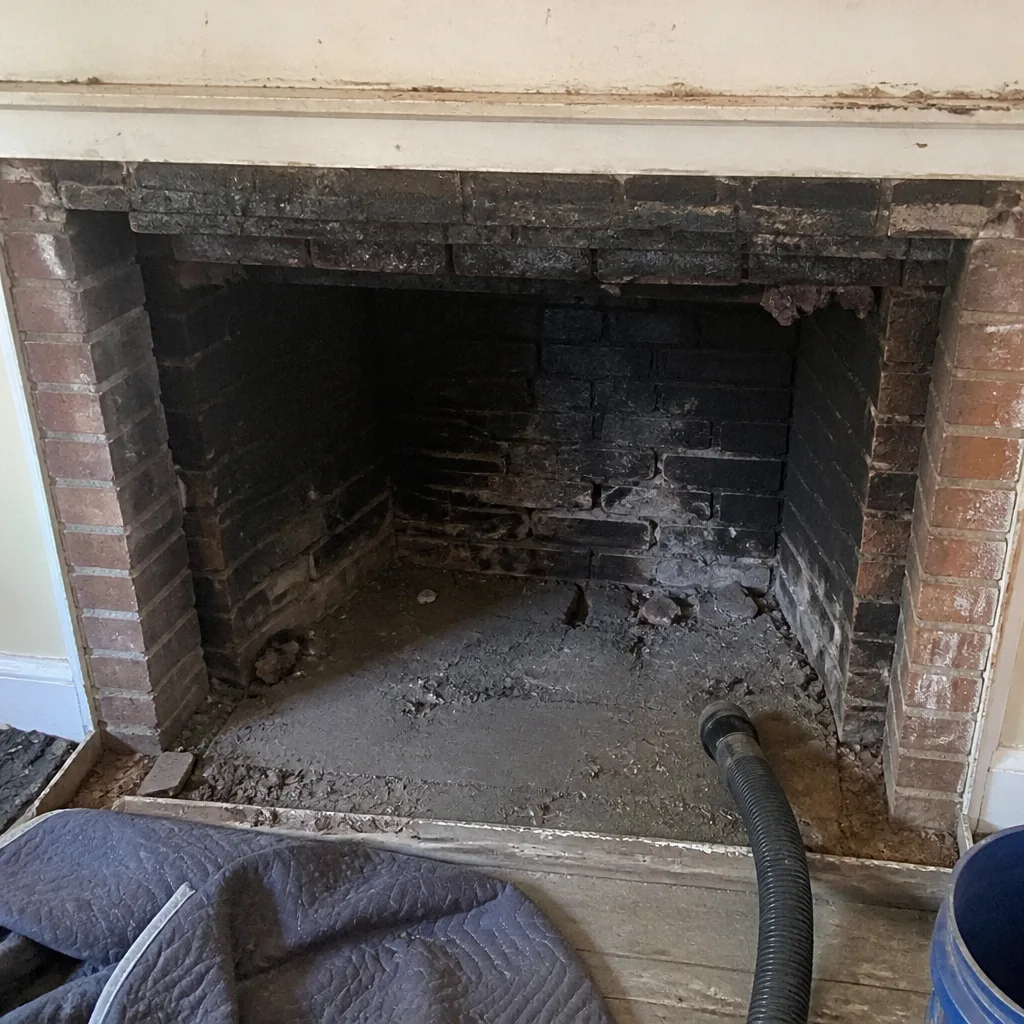 Before
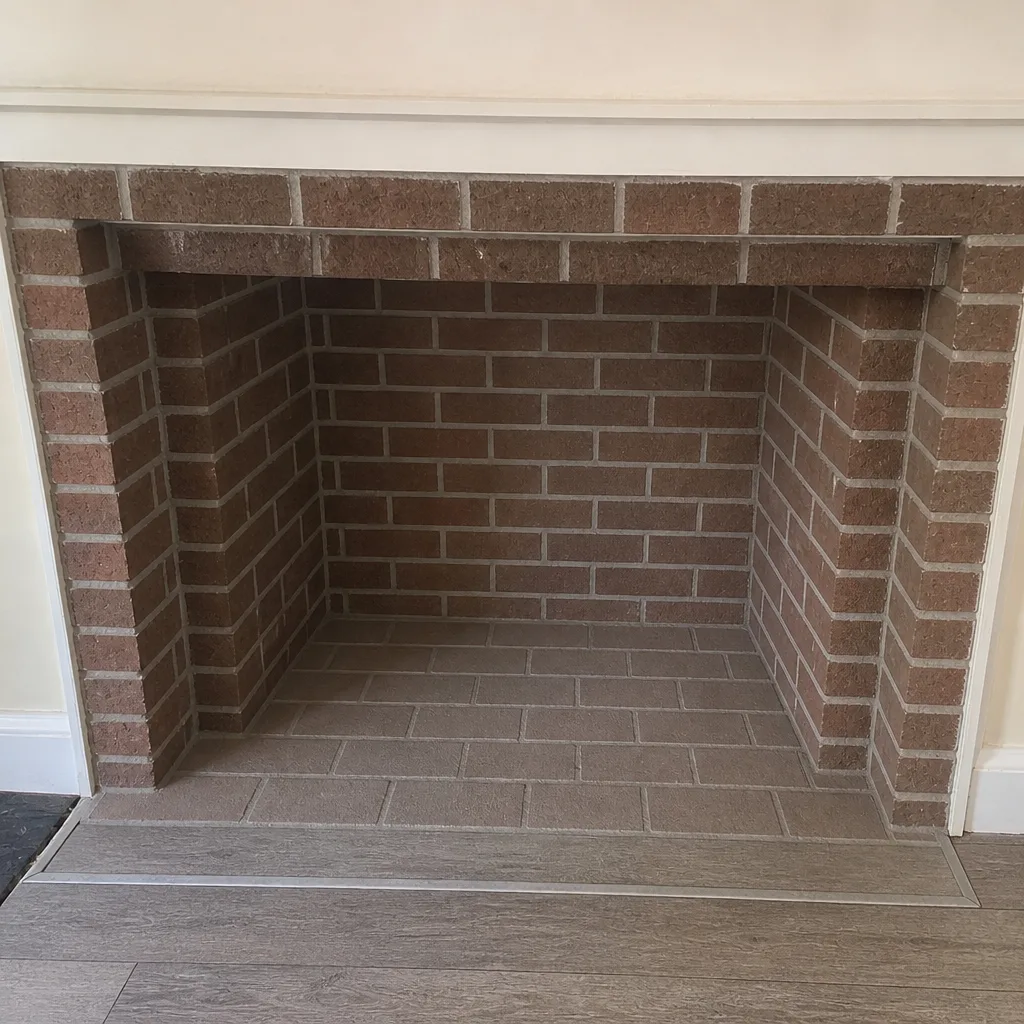 After
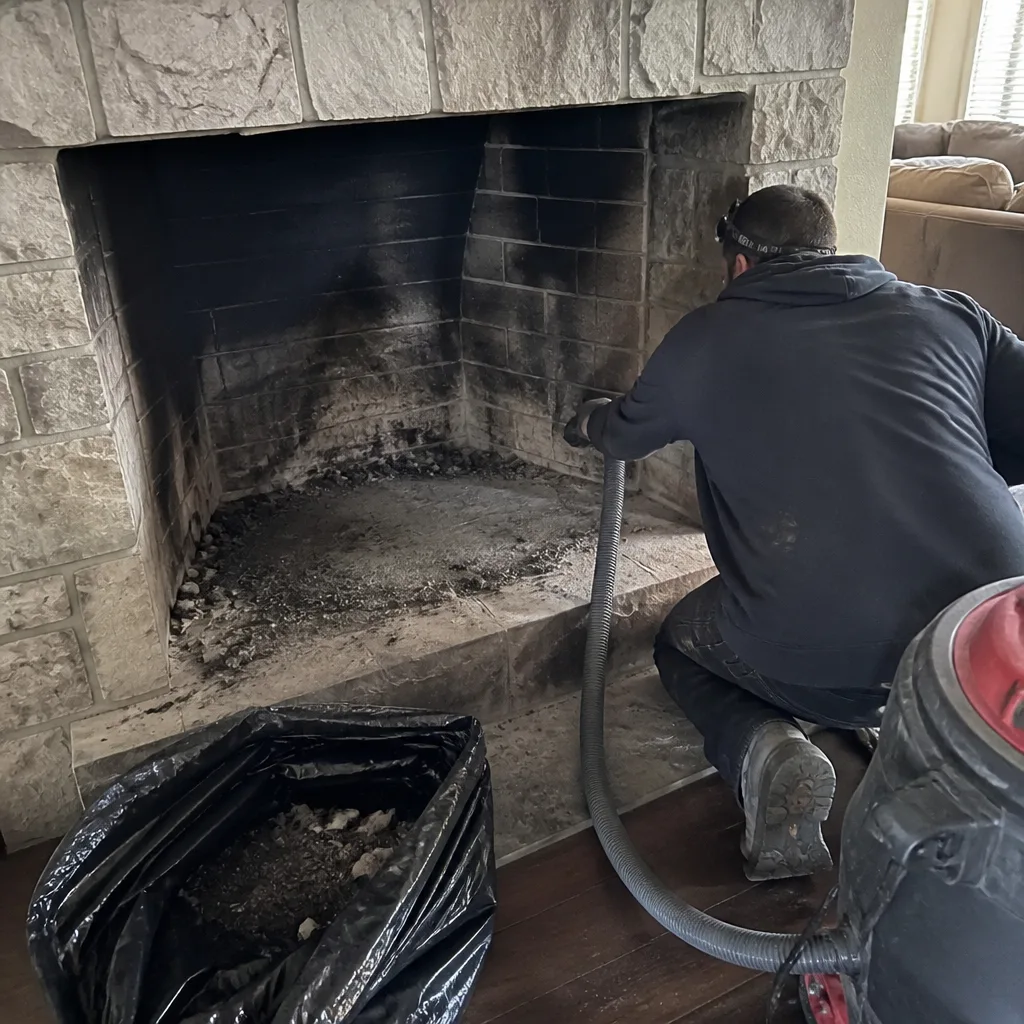 Before
 After
 Before
 After
When to Call a Professional
Some things wait; others don’t. Call us promptly if you notice smoke spilling into the room, a strong creosote smell even when no fire is burning, visible cracks in the firebox or flue, water staining or dampness around the chimney, or a cap that’s come loose or gone missing. Any of those is a reason to get eyes on the system now. You should also call if you haven’t had the chimney inspected in the past year, if you’re moving into a home and don’t know the chimney’s history, or if your insurer has asked for documentation. Chimney Sweep Everett offers free estimates in Everett – call (888) 545-1163. We answer 24/7. Fast dispatch from 7am to 7pm, Sunday through Friday. We send a technician with camera equipment, show you the evidence, and tell you plainly when work can safely wait.
Frequently Asked Questions
At least once a year before the heating season, and more often, typically twice, if you burn heavily. Everett’s mild, wet winters mean flues dry out slowly, so creosote builds up and stays put rather than drying off between fires. For a household running fires most nights from November through February, a mid-winter sweep in January or February keeps accumulation from stacking up. Light users can often stay on one pre-season sweep plus a spring inspection.
September or early October, before the first cold snap brings the seasonal rush. Scheduling in late summer is the smart move if you want a specific date. The spring inspection, focused on moisture and flashing, belongs in April or May after the wet season. Repairs should go in the dry summer window. Call (888) 545-1163 for an exact quote – estimates are free.
For most Everett homes, a spring inspection catches problems the fall sweep can’t. That’s because water damage from the wet season shows up in crowns, flashing, and masonry joints in spring, months after the fall sweep. A sweep clears the flue; the spring check looks at structure. If you’ve had a wet winter and your chimney is older masonry, the spring check is worth doing.
Yes, with proper burning habits and mid-season checks. Burn dry, seasoned wood, keep fires hot enough to burn cleanly rather than smoldering, and watch for the warning signs: smoke spilling into the room, a sharp creosote smell, or dark staining around the fireplace. A mid-winter sweep for heavy users is the thing that lets you keep burning safely to the end of the season.
Creosote keeps accumulating, and moisture damage goes unnoticed. The risk isn’t hypothetical: creosote buildup is the leading factor in chimney fires, and damp, cracked chimneys let carbon monoxide and smoke into places they shouldn’t go. A year skipped isn’t an instant emergency, but the longer a problem sits in this wet climate, the more expensive it gets to fix. A single inspection will tell you where you stand.
Because masonry and liner work needs dry, stable conditions to cure properly. Mortar, sealants, and liner systems set better in warm, dry weather than in the cold, wet fall. Summer is also when scheduling is easiest, since most homeowners don’t think about their chimney until fall. If you’ve been putting off a flagged repair, June through August is when it’s most straightforward to do it right.
The Bottom Line
Everett’s chimney care calendar is shaped by its climate: wet winters, slow-drying springs, short dry summers, and storm-heavy falls. That means a pre-season sweep in September, careful burning and a mid-winter sweep for heavy users through winter, a moisture and flashing inspection in spring after the wet season, and repairs scheduled for the dry summer months when materials cure properly. A single annual sweep leaves the spring gap uncovered, which is why a two-visit rhythm often makes sense here. If you haven’t had your chimney inspected this year, the right move is to get it looked at with camera evidence you can see, get a written estimate, and know exactly what can safely wait.
Call Chimney Sweep Everett at (888) 545-1163 for a free estimate. We answer 24/7. Fast dispatch from 7am to 7pm, Sunday through Friday. Our technicians have up to 15 years of experience, and we work with brands like Olympia Chimney, Famco, and Copperfield so that the materials behind a repair are as reliable as the labor. From diagnosis through repair, it’s one team and one point of contact.
Written by the team at Chimney Sweep Everett.