
Last updated November 16, 2026
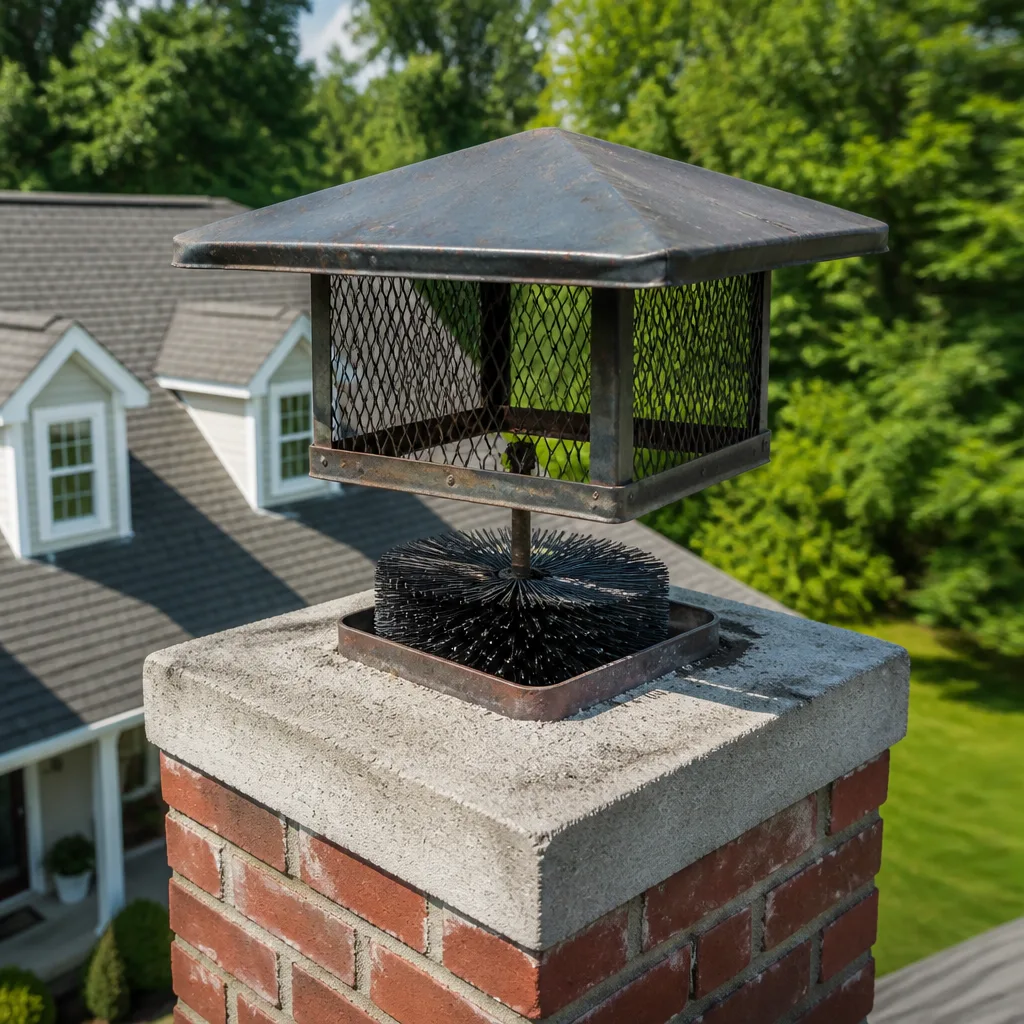 Sweep & inspection
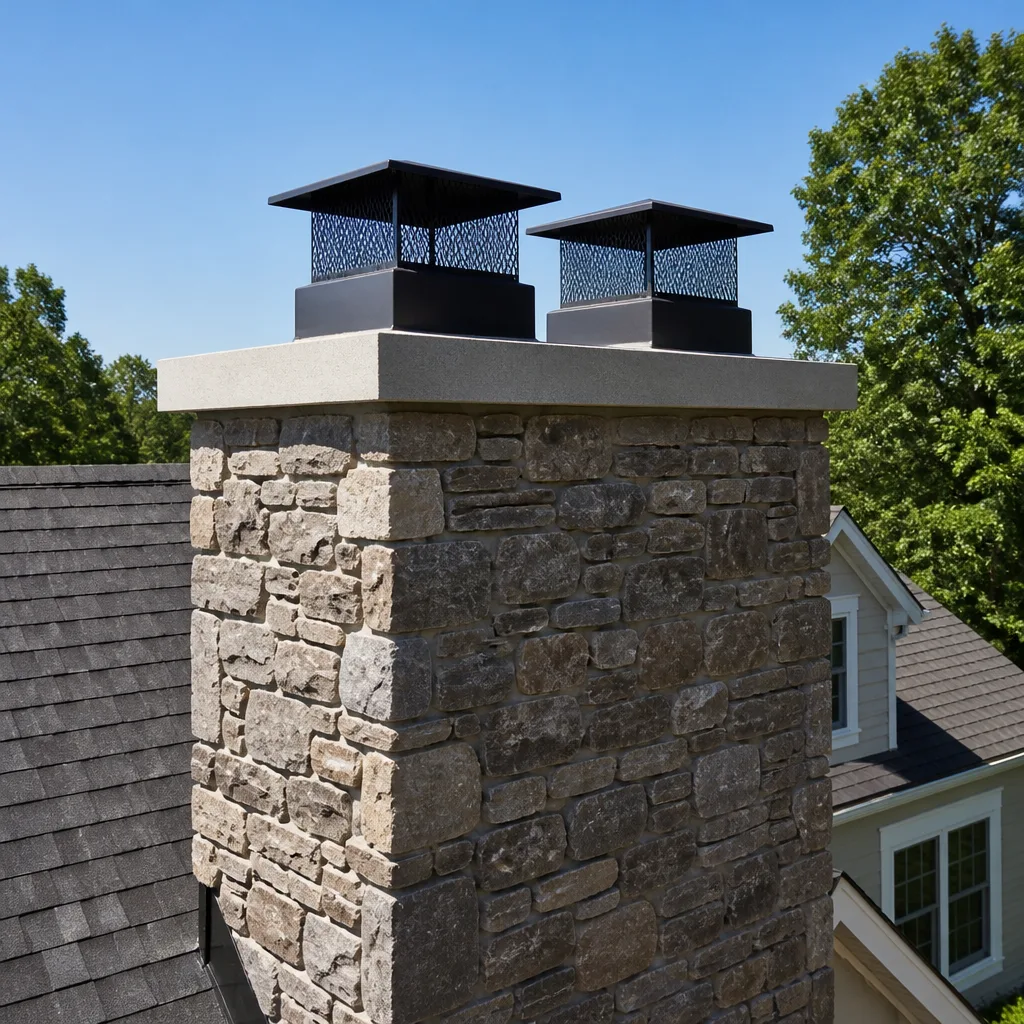 Caps & crowns
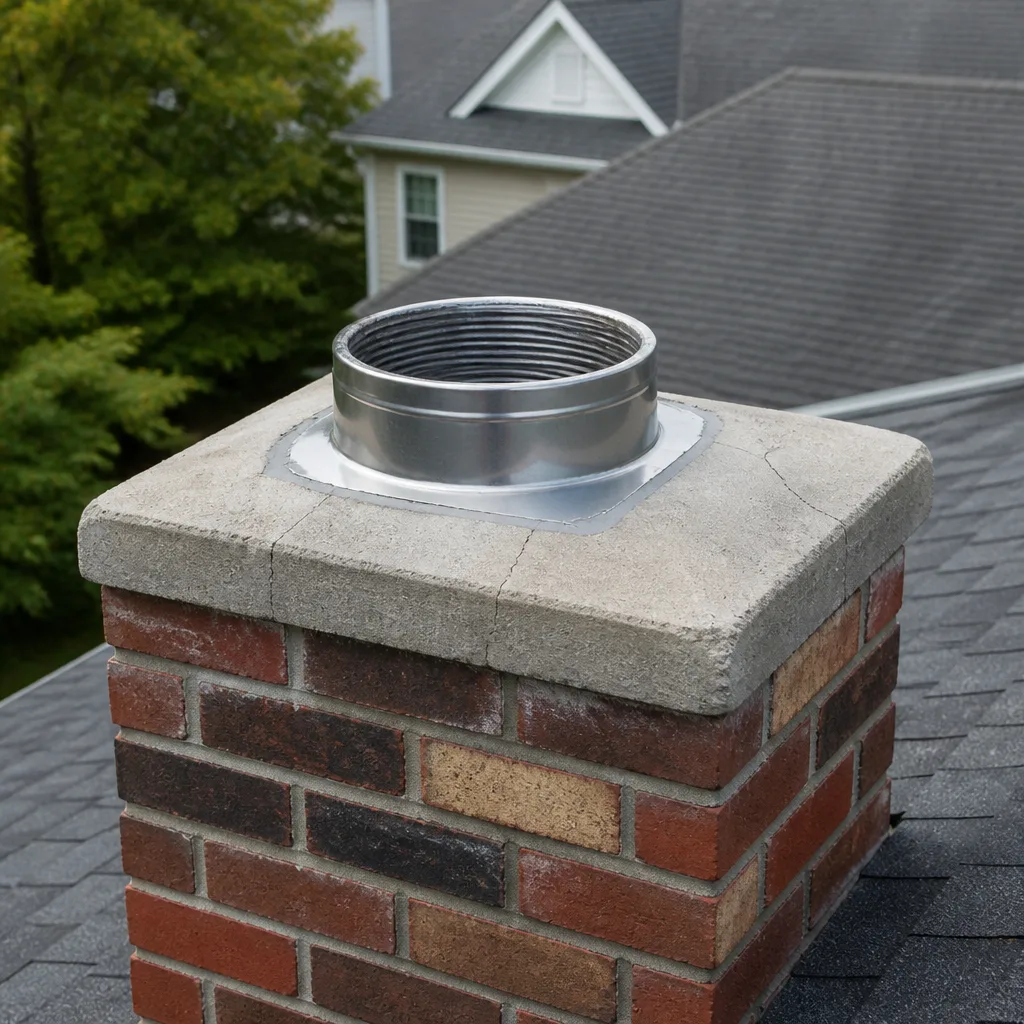 Flue relining
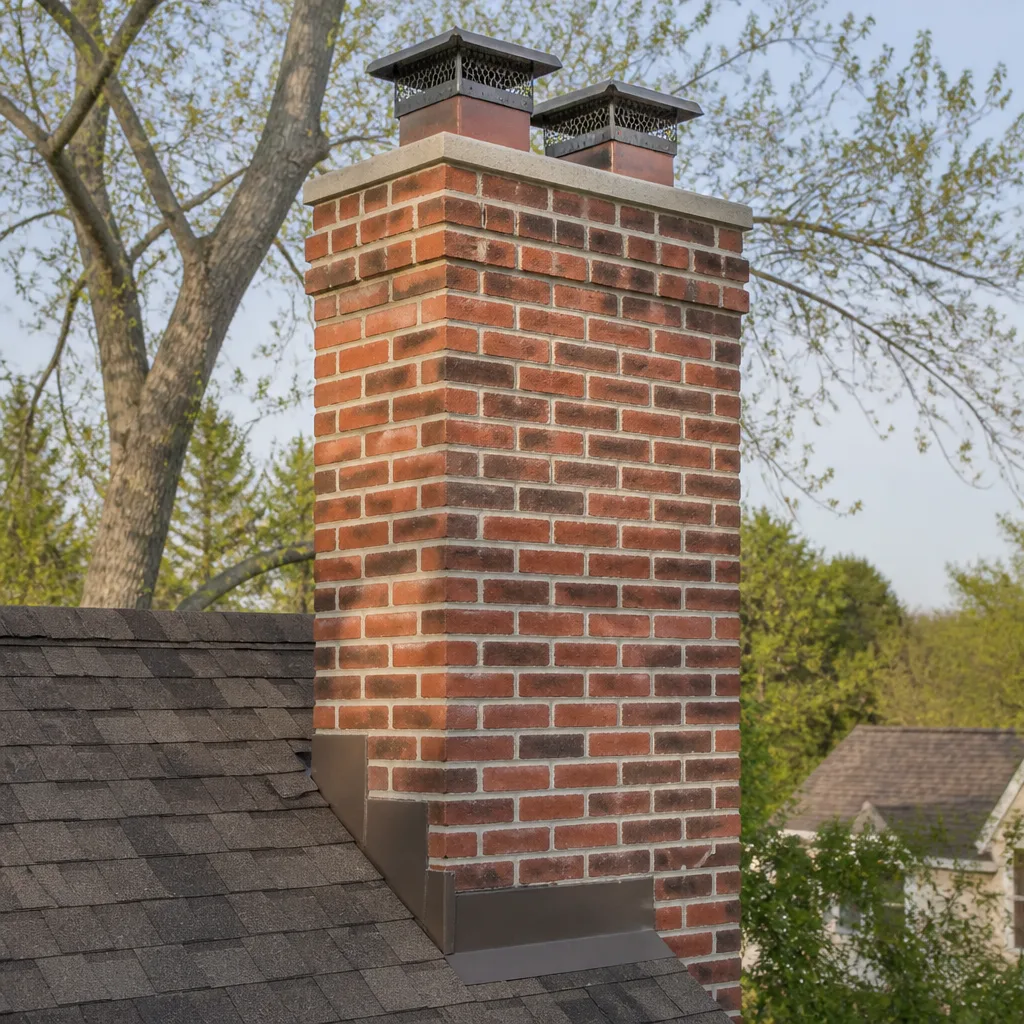 Masonry repair
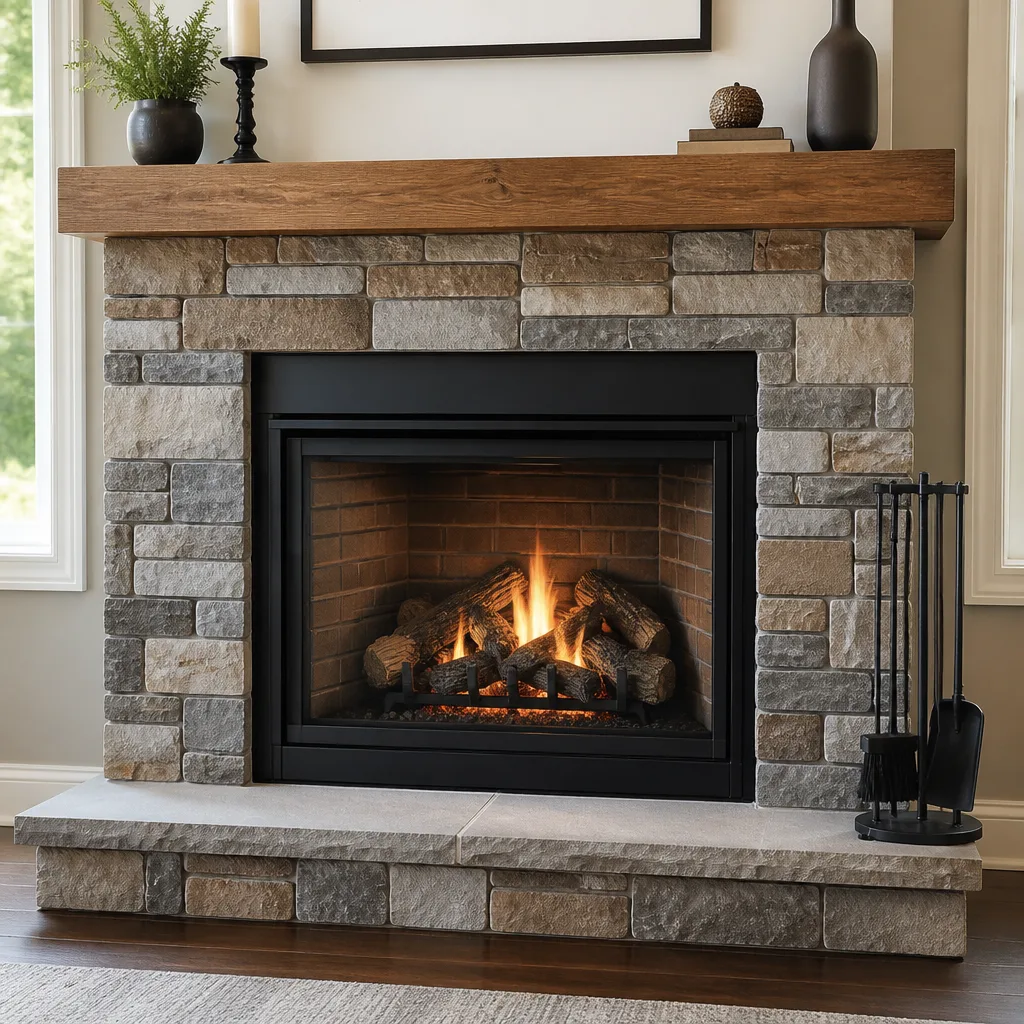 Gas fireplace service
Level 1 sweep and inspection to the NFPA 211 annual standard - flue, crown, cap, and flashing checked and photographed
Chimney sweep logs do not sweep chimneys. They loosen some creosote - which then falls where a brush and vacuum still have to collect it.
Chimney Sweep Maintenance Schedule: What to Do and When
The one piece of chimney advice most homeowners hear is “sweep once a year,” and it’s the advice we push back on most. That number assumes average use, which almost nobody actually has. Burn three cords of wood in a fireplace you light every cold night and your flue builds creosote far faster than a household that lights a fire on holidays. Run a gas log set and your sweep interval stretches out but your inspection needs sharpen. The right schedule depends on what you burn, how often you burn it, and what your liner is made of. This guide breaks that down into a schedule you can actually follow in Everett, from the first fire of fall to the wet shoulder seasons when masonry work needs to happen.
Quick Answer
The right chimney maintenance schedule depends on usage, not the calendar. As a baseline, light occasional fires (under 10 per season) and get a sweep plus Level 1 inspection once a year. If wood is your primary heat source, sweep at the creosote threshold your sweep measures and get a Level 2 inspection mid-season if you burn more than two cords. Schedule masonry and exterior work in Everett’s dry windows in late spring and early fall, before the October rains and after the freeze-thaw stretch ends. Gas and pellet appliances still need an annual inspection even though they rarely need sweeping.
Styles & brands we work with
- Sweep & inspection
- Caps & crowns
- Flue relining
- Masonry repair
- Gas fireplace service
Table of Contents
- The Usage-Based Matrix: How Often You Actually Need a Sweep
- Level 1 vs. Level 2 Inspection: Which One You Need and When
- Timing Masonry Work Around Everett’s Wet Shoulder Seasons
- The DuraFlex Liner Inspection Schedule (It’s Different From Clay Tile)
- The Seasonal Checklist: Fall, Spring, and Midsummer
- Reading Creosote: What the Degrees Actually Mean
- Gas and Pellet Appliances: A Different Kind of Schedule
The Usage-Based Matrix: How Often You Actually Need a Sweep
How often you need a chimney sweep comes down to how much creosote accumulates in your flue, and that depends on how much you burn, what you burn, and how hot your fires run. A slow, smoldering fire in a damp flue deposits far more creosote than a hot, well-ventilated burn. Here’s how we lay out the schedule for different households in Everett.
| Usage Pattern | Sweep Interval | Inspection Level | Notes |
|---|---|---|---|
| Occasional (under 10 fires/season) | Once per year | Level 1 annual | Check creosote and soot, inspect at season’s end |
| Regular evening use (2-3 nights/week) | Once per year, sometimes twice | Level 1 annual, Level 2 if any flag | Inspect at mid-season if buildup is visible |
| Primary heat source (daily burns, 3+ cords) | Every 1-2 cords, or when creosote hits 1/8 inch | Level 2 mid-season and at end of season | This is the pattern the “once a year” rule fails |
| Gas appliance (log set, insert) | Rarely – no soot removal unless flagged | Level 1 annual | Venting, cap, and appliance connection checked |
| Pellet stove | Annually plus air intake cleaning | Level 1 annual | Ash fly and vent accumulation, not creosote |
The single hard rule behind all of that is the creosote threshold: once buildup in the flue reaches 1/8 inch, it’s time to sweep. That’s the point at which the deposits become a real fire-load and no longer just cosmetic. A sweep performed mid-season on a primary-heat household catches the buildup before it hardens into glazed creosote, which is much harder to remove and often requires more than a standard brushing.
If you’re unsure where your household falls, a chimney sweep is still the right first step. The sweep tells you the creosote load, and the condition of the flue tells you the honest interval. We name the brands we use because the materials behind a repair matter as much as the labor, and that logic applies to scheduling too: no two households should be handed the same calendar.
Level 1 vs. Level 2 Inspection: Which One You Need and When
NFPA 211 defines three inspection levels, and most homeowners only ever need two of them. A Level 1 inspection is the annual baseline: visually looking at the readily accessible portions of the venting system, the firebox, the damper, and the chimney interior where visible, without special tools. A Level 2 inspection goes deeper: the technician uses video scanning, accesses the attic and crawlspace where the flue passes through, checks clearances, and looks at portions of the liner you can’t see by eye. A Level 3 is a full teardown and only applies when a Level 2 finds a defect that can’t be diagnosed any other way.
When a Level 1 Is Enough
A Level 1 inspection covers most annual checkups on a chimney that’s been actively swept and hasn’t shown any flags. Same appliance, same fuel, same habits, no changes in how the fireplace drafts, no smoke pushing back into the room, no visible cracks in the firebox. That’s a Level 1 year.
When NFPA 211 Requires a Level 2
A Level 2 inspection is required in six specific scenarios. We see at least three of them in a typical month in Everett:
- After a chimney fire. Even a small chimney fire can crack a clay tile liner or warp a stainless one. You cannot tell it didn’t without video.
- Before a relining or appliance change. If you’re switching from wood to gas, adding an insert, or having a liner installed, the flue has to be fully evaluated first. A DuraFlex liner installation starts with a Level 2, never without one.
- At a home sale. Buyers and their inspectors ask for it, and lenders tend to want it as documentation. A Level 2 is the standard evidence.
- After any event that could damage the chimney. An earthquake, a structural change to the house around it, a nearby lightning strike. The flue clearances can shift without any visible sign.
- If the appliance or fuel has changed. A new wood stove, a new gas insert, or switching from one fuel to another all qualify.
- If a Level 1 finds an issue. Any red flag on a Level 1 is upgraded to Level 2 before a diagnosis and repair plan are set.
In our experience, homes in older Everett neighborhoods hit the Level 2 requirement more often than newer construction, simply because there have been more fuel and appliance changes over the years. A house that’s been converted from oil to gas to wood insert has three layers of history the Level 1 can’t fully see.
Timing Masonry Work Around Everett’s Wet Shoulder Seasons
Everett’s climate shapes the maintenance calendar as much as usage does. The wet shoulder seasons – roughly mid-October through November and again from March into April – are when masonry gets hit hardest. Water gets into the brick and mortar joints, then a cold snap pulls the temperature below freezing, and the water expands as it freezes. That freeze-thaw cycle is the single biggest driver of exterior chimney deterioration we see in Everett, and it happens in narrow windows: early-winter rain followed by a hard frost, or a late-winter thaw followed by a cold snap.
The practical rule: seal and repair in the dry windows, not the wet ones.
- Late spring (May through mid-June): The dryest stretch for exterior masonry work. This is when crown repairs, brick replacement, and repointing should be scheduled. Products like Gelco and Famco weatherproofing materials need to cure under dry conditions to bond properly.
- Midsummer (July – August): The best window for larger structural repairs and relining projects. Concrete crowns cure fast, and there’s no rain delay risk to the cure schedule. This is also when a DuraFlex liner installation goes in with the least weather exposure.
- Early fall (September – early October): A second good stretch for repointing, crown sealing, and cap work before the rains set in. Anything larger than that should wait or be protected.
- Late fall through the wet shoulder (mid-October – November, March – April): Schedule sweeps and inspections, not exterior masonry work. Wet brick doesn’t cure mortar, and sealing a wet masonry chimney traps moisture rather than keeping it out.
- Deep winter (December – February): Keep sweeping and inspecting. Skip exterior work unless there’s a structural urgency like a failed crown taking on water.
If an inspection flags exterior masonry damage outside one of these windows, ask whether it can safely wait for the next dry stretch. Sometimes it can. If water is actively getting in through a failed crown, the answer may be a protective repair now and the full job on the next dry window.
The DuraFlex Liner Inspection Schedule (It’s Different From Clay Tile)
A stainless steel liner and a clay tile flue do not fail the same way, and they don’t need the same inspection cadence. This is where the generic “once a year” advice does the most harm, because a homeowner with a stainless liner sometimes assumes the liner makes sweeping optional. It doesn’t.
Stainless Liners (DuraFlex and Similar)
Stainless steel liners don’t crack, but they can develop seam separation at the joints, corrosion at the top and bottom connections, and thermal warping if there’ve been chimney fire events. The inspection for a stainless liner focuses on:
- The top connection and cap – where water and weather hit first
- The bottom appliance connector – where corrosion often starts
- The seam integrity across visible sections
- Any warping or buckling that would indicate overheating
- The insulation wrap around the liner, if it was insulated
A DuraFlex liner installation is typically done to solve the root cause of draft and deterioration problems, but the installed liner still needs a video scan at the Level 2 inspection points and a visual check during every annual Level 1. The liner doesn’t retire the schedule; it changes what the schedule looks at.
Clay Tile Flues
Clay tile is more brittle than stainless. The failure mode is cracks – often from a chimney fire, sometimes from settling, sometimes from thermal shock when a hot fire meets a cold flue. Those cracks are the exact pathway for carbon monoxide and heat into the framing. A video scan at the Level 2 points and a check at every Level 1 is the standard. A clay tile flue that shows cracking is often a candidate for a stainless relining, which is where HeatShield and DuraFlex come in: HeatShield does structural restoration of the existing flue, DuraFlex does full relining. Neither one should be installed without the video evidence that justifies it.
The schedule itself: stainless liner homes get a Level 1 every year and a Level 2 at the NFPA trigger points, same as clay. The difference is the inspection findings. A stainless liner rarely needs structural attention; a clay flue often does as it ages.
The Seasonal Checklist: Fall, Spring, and Midsummer
The annual maintenance schedule breaks naturally into three checkpoints. Each has a different purpose, and skipping any one of them leaves a gap. Here’s what to look for at each.
Fall: Before the First Fire
- Sweep the flue and remove the creosote and soot build from last season.
- Run the Level 1 inspection: firebox, damper, cap, and any visible flue sections.
- Check the cap and spark arrestor for nests, debris, and loose connections.
- Check the damper operation by hand – it should open and close cleanly.
- Confirm the smoke and carbon monoxide detectors are working, especially near the fireplace.
- Look at the exterior crown for cracks and the flashing at the roof line for separation.
- Confirm the fireplace screen or glass doors are intact before lighting.
Spring: After the Last Fire
- Sweep out the season’s accumulated creosote before it sits all summer and hardens further.
- Check for any damage that happened during the burning season – visible cracks, warping, or new creosote patterns.
- Look at the exterior masonry from the ground: any new cracks in the mortar joints, any spalling brick, any areas where the crown has separated.
- Note any draft changes you observed during the season – smoke pushing back, hard starts, a fire that wouldn’t pull.
- If you hit the Level 2 trigger points during the season (chimney fire, appliance change), schedule the Level 2 now.
Midsummer: Masonry and Structure
- Book exterior masonry work in the dry window – crown repair, repointing, brick replacement.
- Schedule any relining project, since the weather supports curing and installation.
- Confirm the cap, spark arrestor, and flashing are still secure after the winter’s weather.
- Check the gutters and roof line around the chimney for blockages that could hold water against the masonry.
- Plan the fall sweep now rather than waiting for October – it’s the busiest window in the schedule.
We see the most preventable chimney damage in Everett from homeowners who only do the fall sweep and skip the spring and midsummer checks. The fall sweep catches the creosote; the spring and midsummer checks catch the masonry and liner damage before the wet season turns it into a repair. If you want a single annual service that covers all three checkpoints in one plan, the sweep and inspection tiers are the starting point: Chimney Sweep Everett.
Reading Creosote: What the Degrees Actually Mean
Creosote builds in three recognisable stages, and the stage determines both the sweep interval and the removal method. Knowing the stages is how you make the usage-based matrix work for your own house.
- First degree: Soot and light flaky deposits. This is what a standard sweep removes with brushes. It’s the normal season-end condition for an occasional-use household.
- Second degree: Crusty, brittle deposits that have begun to consolidate. Still removable by standard brushing, but the buildup is thicker and the fire risk is higher. A primary-heat household typically hits this mid-season.
- Third degree: Glazed, hardened creosote that looks like a shiny tar coating on the flue. Standard brushes won’t remove it. This is the stage where chemical treatment or more involved removal is needed, and it’s the stage the 1/8-inch rule is designed to catch before it happens.
The 1/8-inch measurement applies to any stage of visible buildup in the flue. Once it reaches that thickness, the flue needs attention regardless of where it falls on the degree scale. A sweep that measures creosote tells you two things at once: whether you need sweeping now, and what your realistic next interval is.
We’ve seen houses in Everett where the owner swept every October like clockwork and still hit third-degree creosote by January, because they burned daily and the annual schedule was too slow for their usage. And we’ve seen occasional-use households where a sweep every other year would be plenty. The schedule should follow the flue, not the calendar. When creosote has hardened to third degree, chimney repair or chemical treatment may be needed in addition to the sweep.
Gas and Pellet Appliances: A Different Kind of Schedule
Gas and pellet appliances don’t build creosote the way wood does, but they still need an annual inspection. The schedule changes shape; it doesn’t disappear.
Gas log sets and inserts burn clean, so there’s rarely soot to sweep. But the venting still needs to be inspected once a year for blockages, corrosion, and connection integrity. The appliance itself needs its burner, logs, and safety controls checked, and the glass and gaskets need to be in good condition. Carbon monoxide risk with gas is real, and an annual inspection is the standard safeguard. The Level 1 inspection covers this. A Level 2 becomes necessary if the appliance changes or the venting shows any concerning findings.
Pellet stoves run on an entirely different fuel path. The buildup is ash fly and vent accumulation, not creosote. The schedule here is annual vent cleaning plus air intake cleaning, and the venting needs to be inspected for the accumulation patterns specific to pellet combustion. The firebox and auger mechanism also need an annual check. Pellet appliances are often installed in Everett homes as an alternative to wood, and the maintenance interval should reflect that fuel change. A former wood flue that’s now feeding a pellet stove should have had the Level 2 done at the appliance swap, and the annual pellet-stove inspection is the new baseline.
In all three cases – gas, pellet, and wood – the same company handles the sweep, the inspection, and any repair. There’s no hand-off between a cleaning vendor and a repair vendor, which is where problems tend to get missed. Brands like Olympia Chimney and Copperfield come up in the repair side of that work; the inspection is what identifies when they’re actually needed.
Common Mistakes to Avoid
- Treating “once a year” as a fixed rule. The annual baseline assumes average use. If you burn more than two cords in Everett, your real interval is months, not a calendar year.
- Skipping the spring check after a heavy burning season. The fall sweep catches what’s there, but the spring check catches what the season did. Damage you find in spring can be scheduled for the dry summer window; damage you find in October is often a wet-season job.
- Doing exterior masonry work in the wet shoulder season. Mortar won’t cure properly in Everett’s October rain, and weatherproofing applied to wet masonry traps moisture inside rather than keeping it out.
- Assuming a stainless liner means the annual inspection can wait. A DuraFlex liner changes what the inspection looks at. It doesn’t replace the inspection.
- Missing the Level 2 triggers. A small chimney fire, an insert added years ago, a pending home sale – any of these requires a Level 2, not a standard annual check. Skipping it leaves the liner condition unconfirmed.
- Sweeping before checking the creosote degree. If the buildup has gone glazed, standard brushing won’t remove it. A sweep that doesn’t measure what it removed tells you nothing about your next interval.
- Scheduling the fall sweep at the last minute. October is the busiest four weeks in the chimney service calendar. A sweep in September buys you a clearer picture before the season and an easier window for any repair it flags.
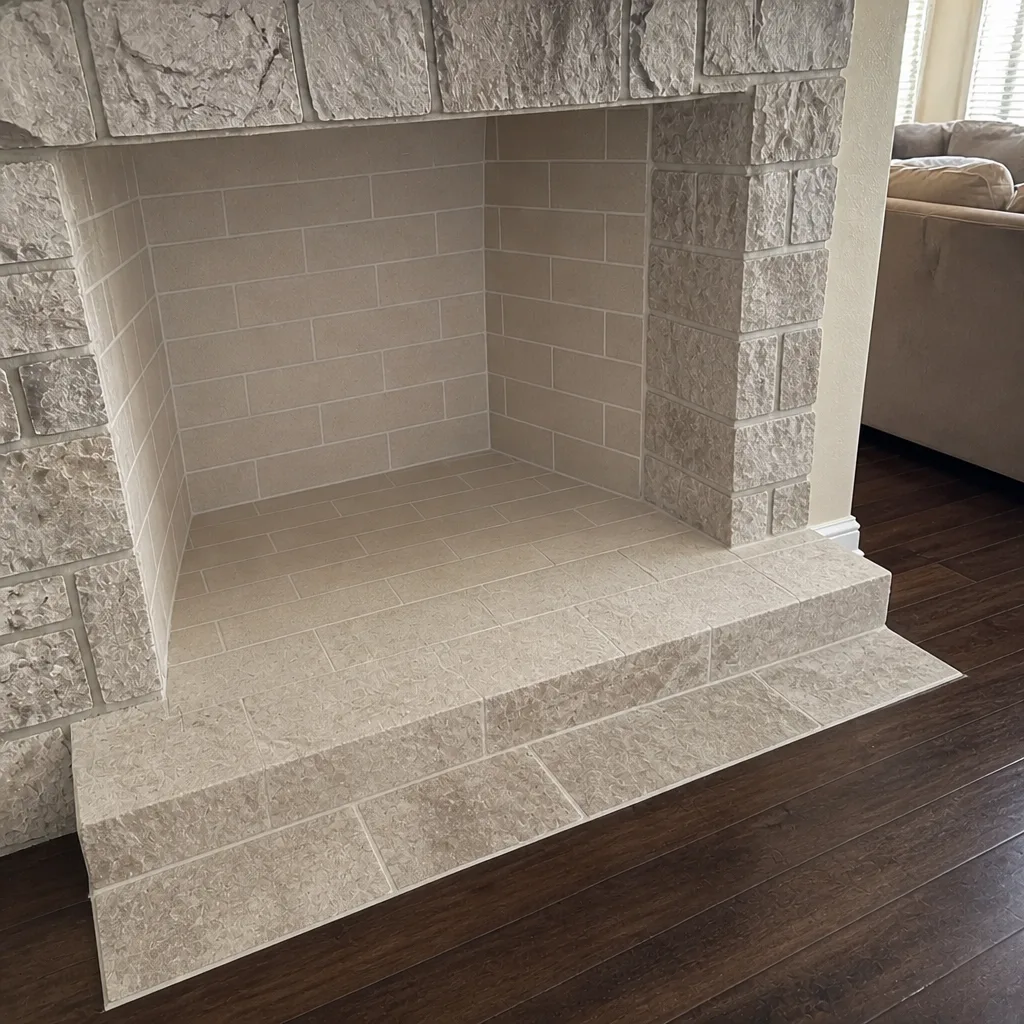
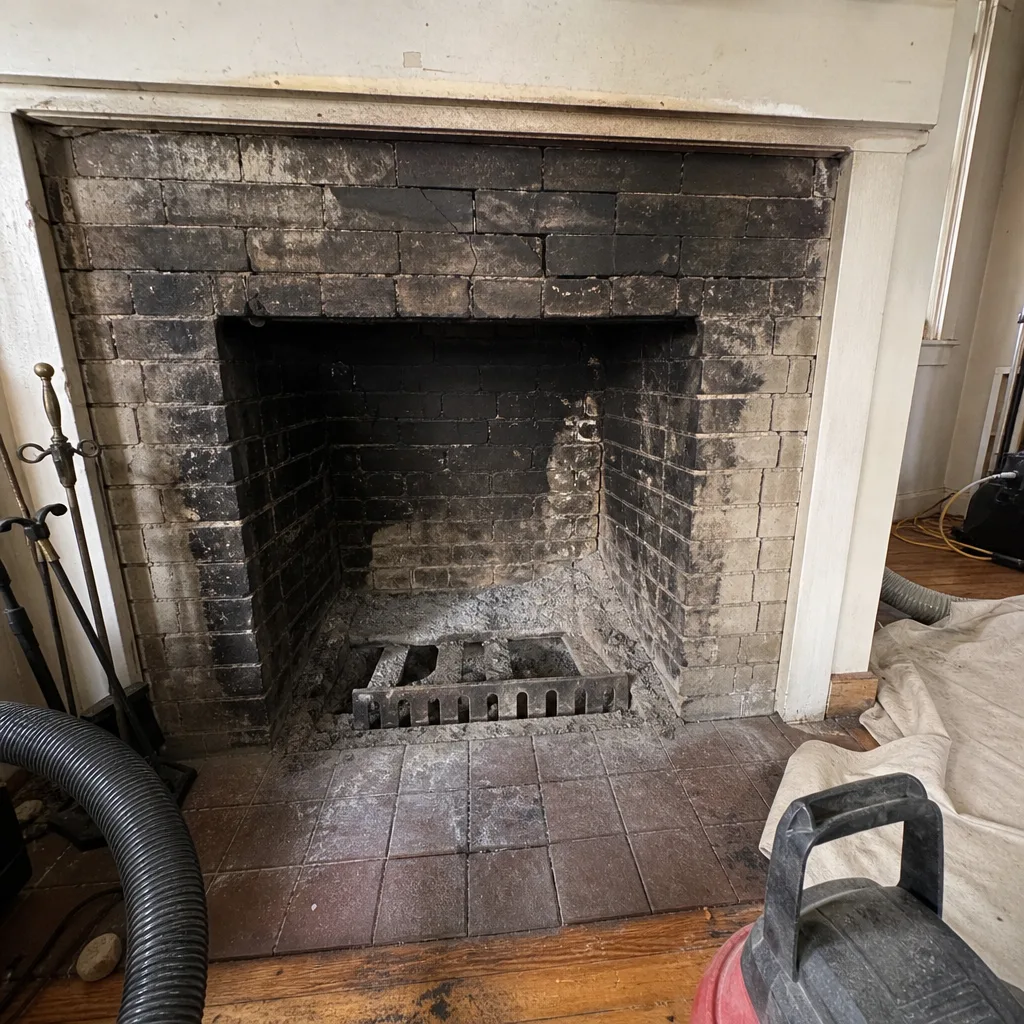
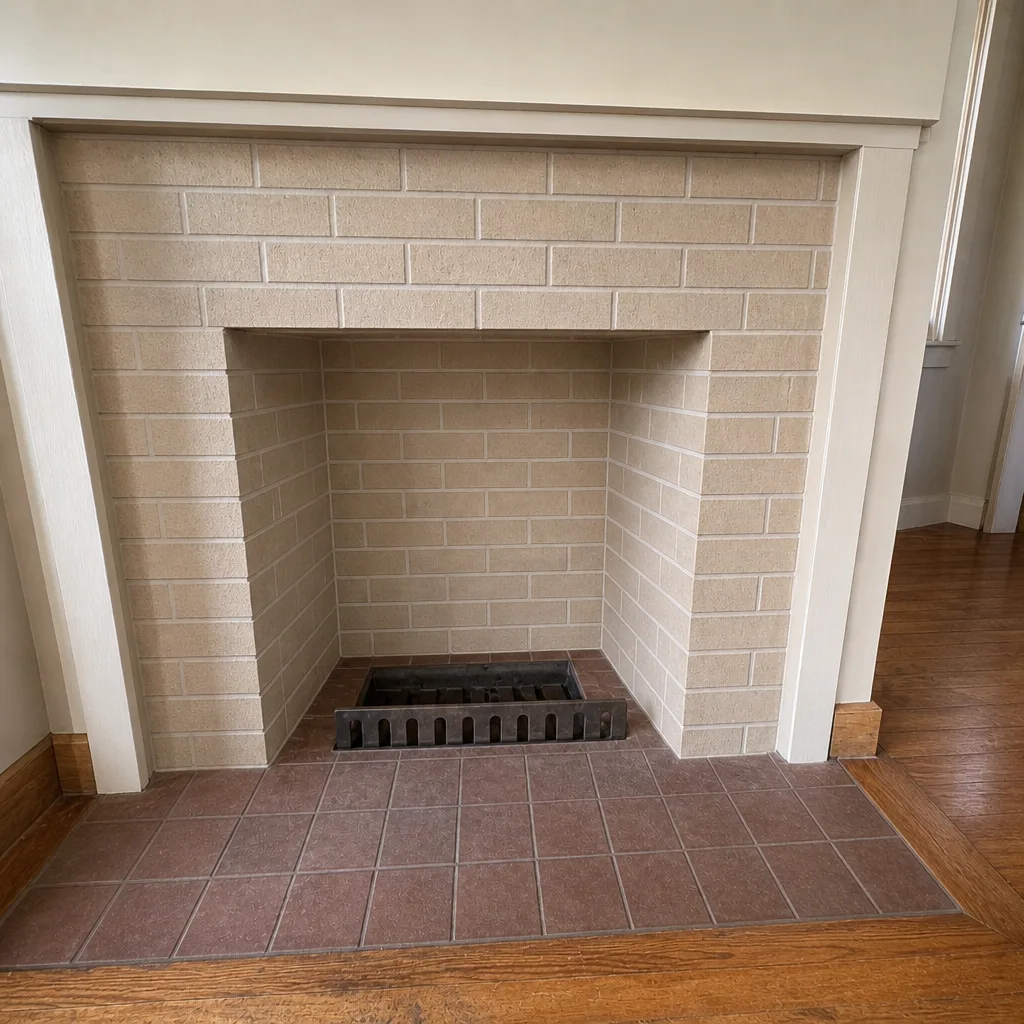
See the difference
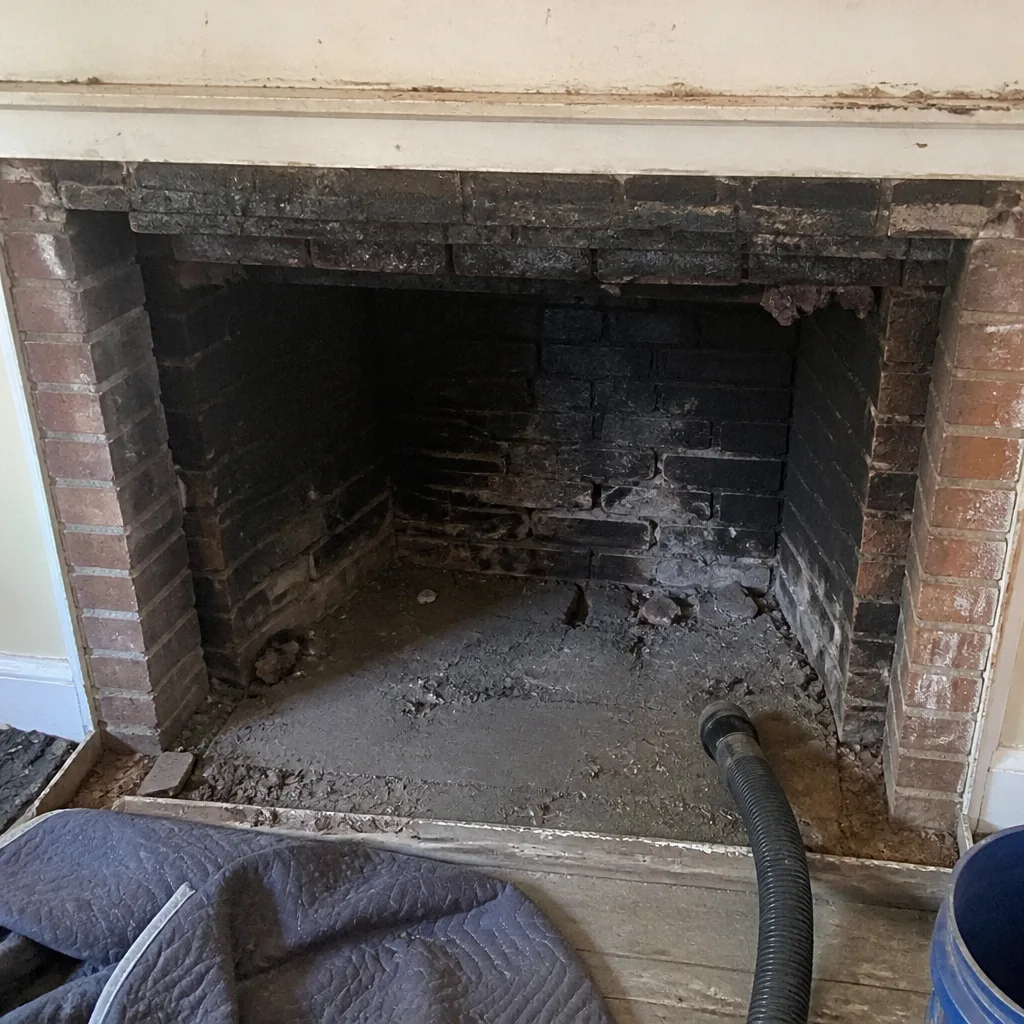 Before
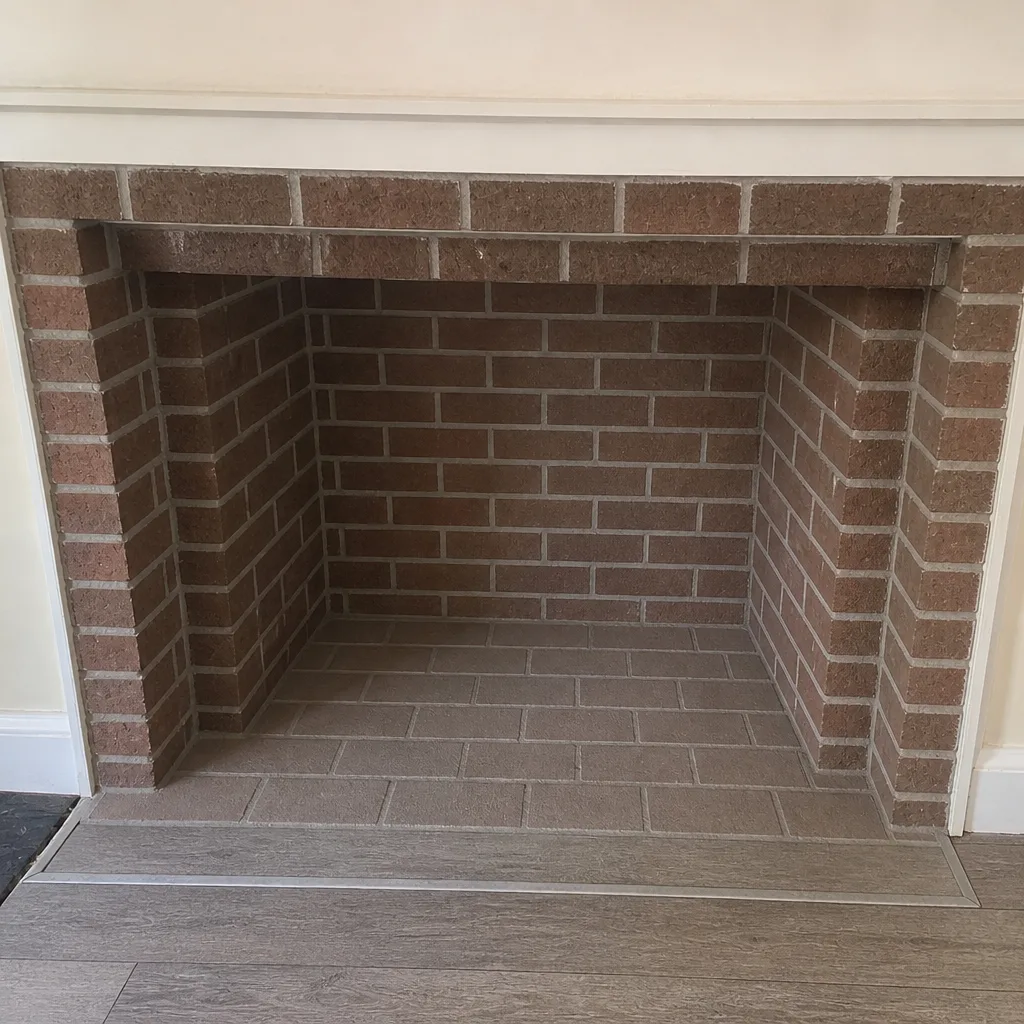 After
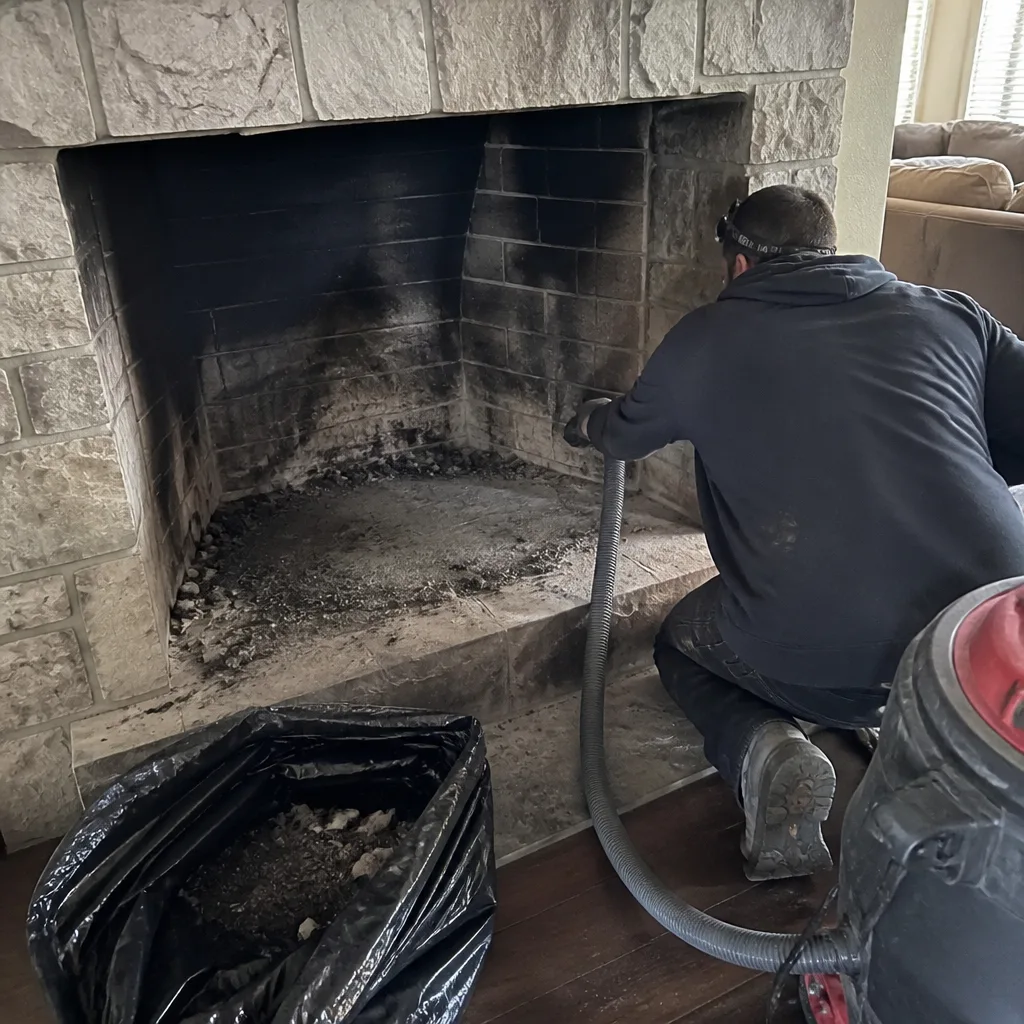 Before
 After
 Before
 After
When to Call a Professional
Call a professional for anything that involves a crack, a chimney fire event, a draft problem, or an appliance change. Call before your first fire of the season if you can’t remember when the last sweep was, if the flue is visibly coated, or if you’re hitting one of the Level 2 trigger points. Call immediately if you’ve had a chimney fire or if a carbon monoxide alarm has gone off and you can’t account for it. And call if you’ve been told by an inspector or a buyer’s contractor that you need a liner or masonry work: a specialist can tell you whether it can be verified with a video scan before you commit to the repair cost. Chimney Sweep Everett offers free estimates in Everett – call (888) 545-1163. We answer 24/7. Fast dispatch from 7am to 7pm, Sunday through Friday.
Frequently Asked Questions
A chimney should be swept when the creosote buildup reaches 1/8 inch, which for most occasional-use households in Everett works out to once a year. If wood is your primary heat source, plan on multiple sweeps per season and let the measured creosote set the actual interval. Call (888) 545-1163 for an exact quote – estimates are free.
A Level 1 is the annual baseline. A Level 2 is required after a chimney fire, before relining or an appliance change, at a home sale, after a structural event, when the fuel has changed, or if a Level 1 finds a flag. Most Everett households need the Level 1 annually and the Level 2 only at those trigger points.
Late spring through midsummer is the best window for exterior masonry repair in Everett, with early fall a close second before the rains set in. The wet shoulder seasons – mid-October through November and March into April – are when freeze-thaw damage happens, so that’s when to inspect, not to repair.
Yes. A DuraFlex stainless liner doesn’t need to be swept as often as clay tile for the same fuel load, but it still needs an annual Level 1 inspection and a Level 2 at the NFPA trigger points. The inspection checks seam integrity, the top and bottom connections, and the insulation wrap – all of which fail in ways the eye can’t see without a scan.
Creosote builds throughout the flue until it reaches the stage where a hot ember can ignite it, which is a chimney fire. On top of that fire risk, a cracked flue liner – whether from a past chimney fire or from freeze-thaw movement – can let carbon monoxide into the home. Neither is something you can check for visually from the firebox. Call (888) 545-1163 for an exact quote – estimates are free.
Everett’s climate produces freeze-thaw cycles through the late fall and late winter, so almost every home in the area is exposed. The exposure isn’t location-specific; it’s seasonal. Any chimney with an exterior masonry column, a concrete crown, or an exposed metal cap is subject to it, and the spring and midsummer checks are how you catch the damage before the wet season makes it worse.
The Bottom Line
A chimney maintenance schedule is a decision-tree, not a fixed annual appointment. The core points: sweep when the creosote reaches 1/8 inch, not just once a year; use the Level 1 as the annual check and the Level 2 at the six NFPA trigger points; time Everett’s exterior masonry work into the dry windows of late spring through early fall; inspect stainless liners separately from clay tile; and check the chimney three times a year – fall, spring, and midsummer. Every finding should be visible to you on a camera scan before any repair is recommended. We’re a full-service chimney specialist, so we can answer the sweep, inspection, and repair questions from one team. A look at our Everett service page shows how the pieces fit together for homes here. From creosote buildup to liner deterioration, we diagnose the full picture – not just what’s easy to see. Our technicians have up to 15 years of experience. Call (888) 545-1163 for a free estimate. We answer 24/7. Fast dispatch from 7am to 7pm, Sunday through Friday.
Written by the team at Chimney Sweep Everett.