
Last updated November 16, 2026
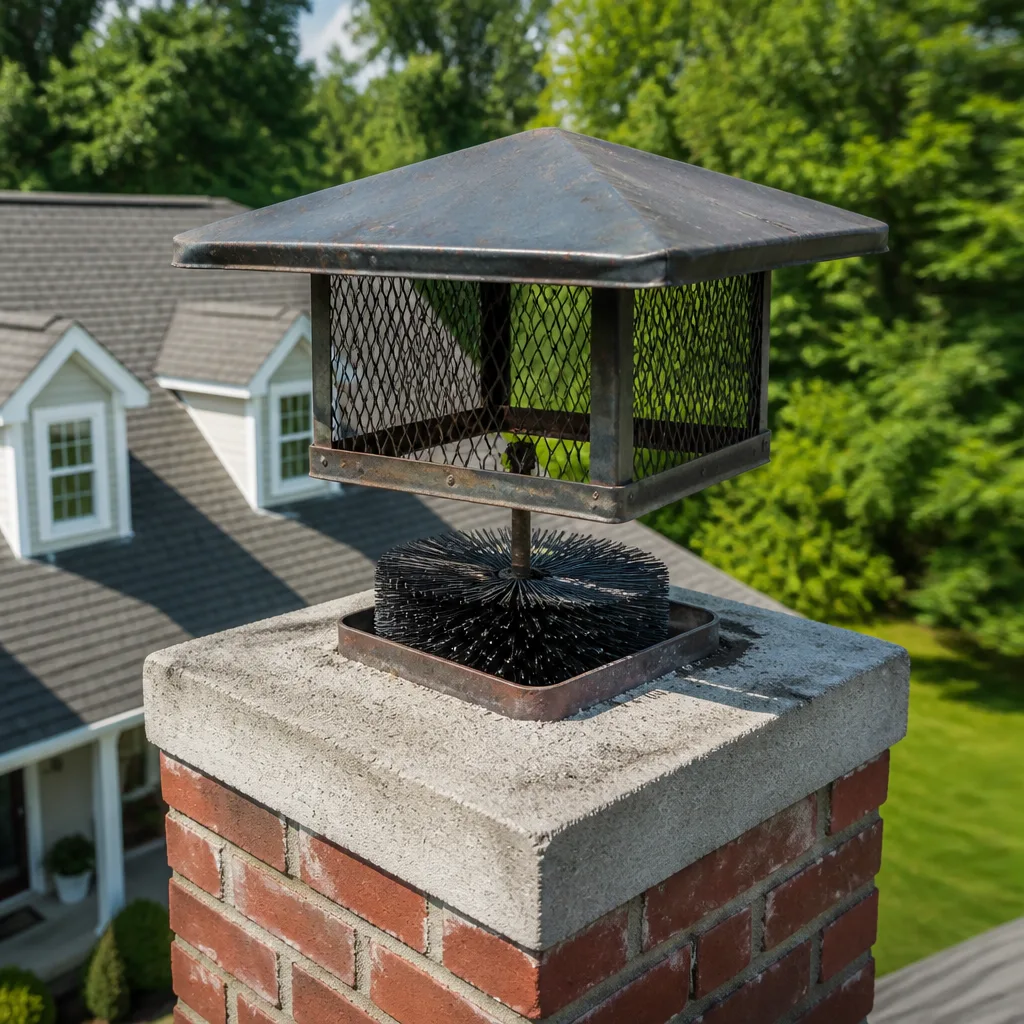 Sweep & inspection
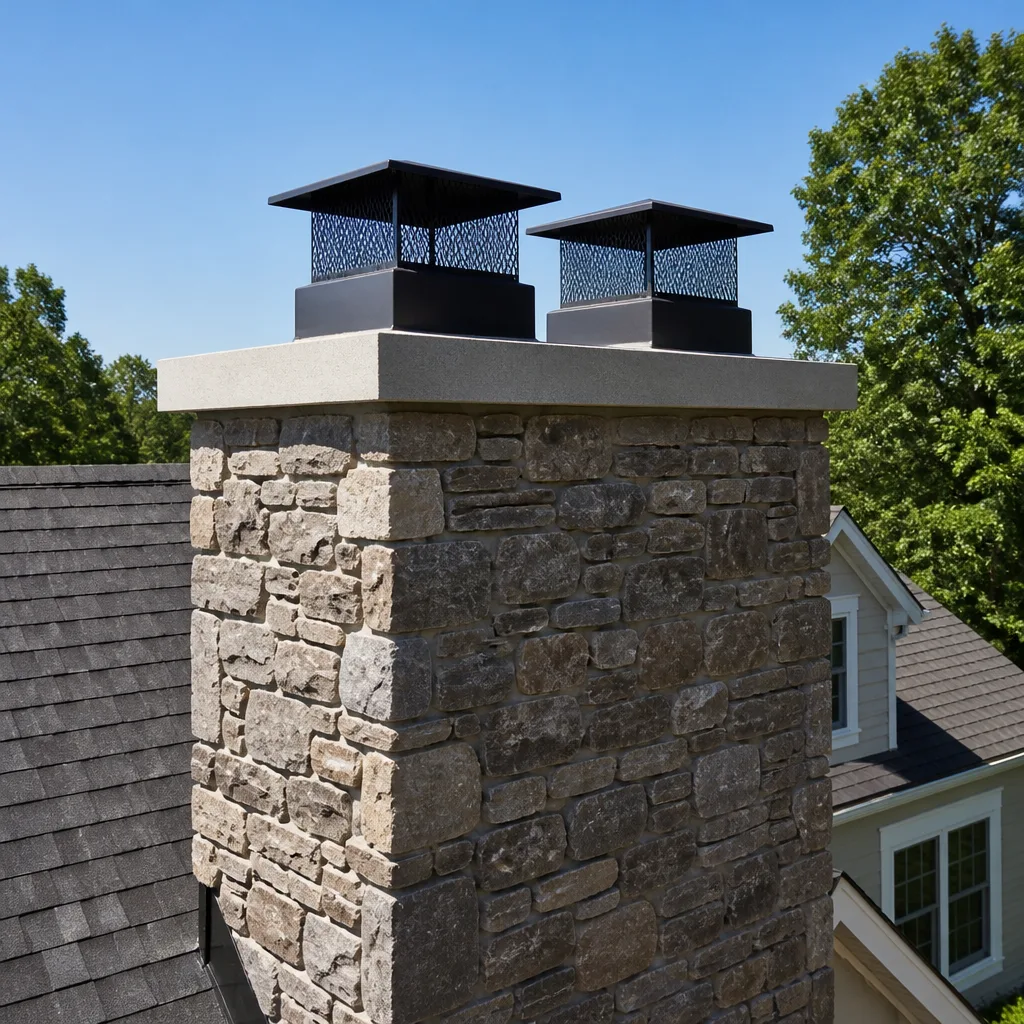 Caps & crowns
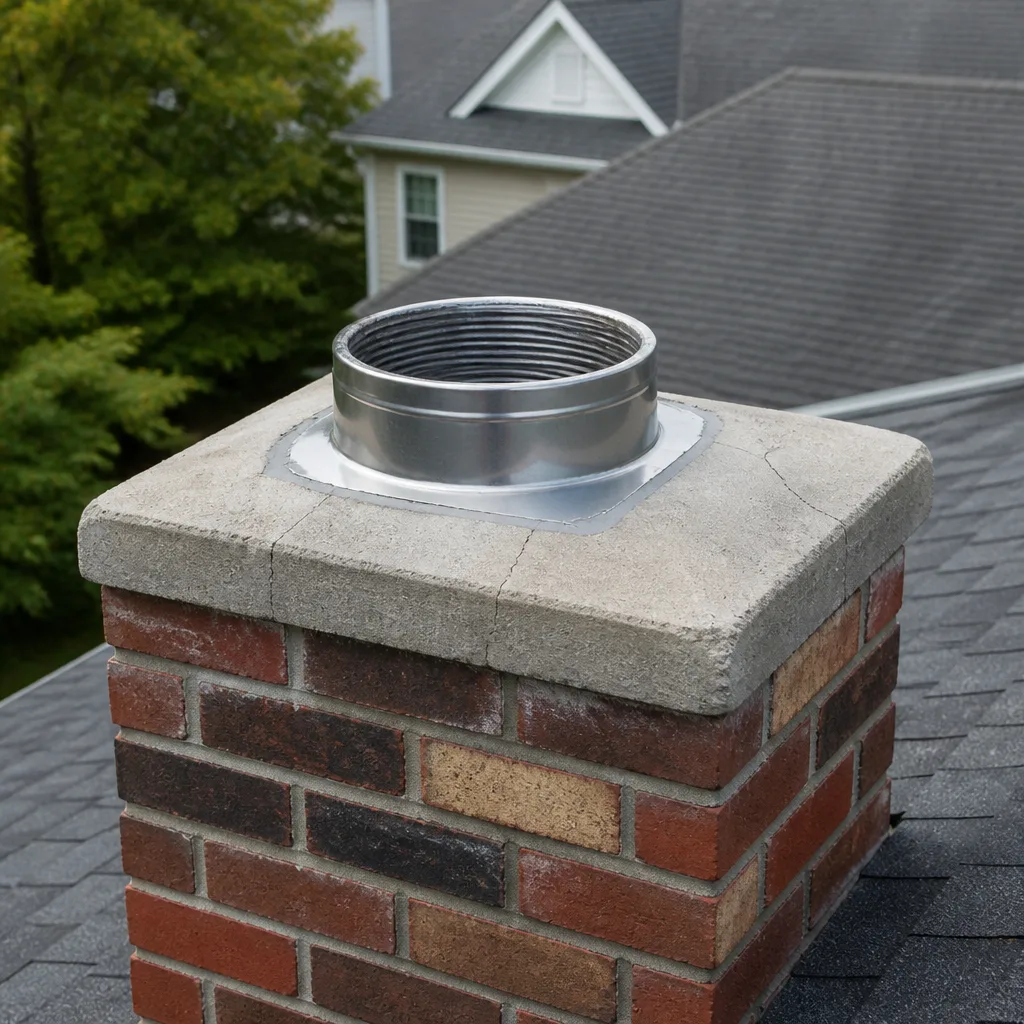 Flue relining
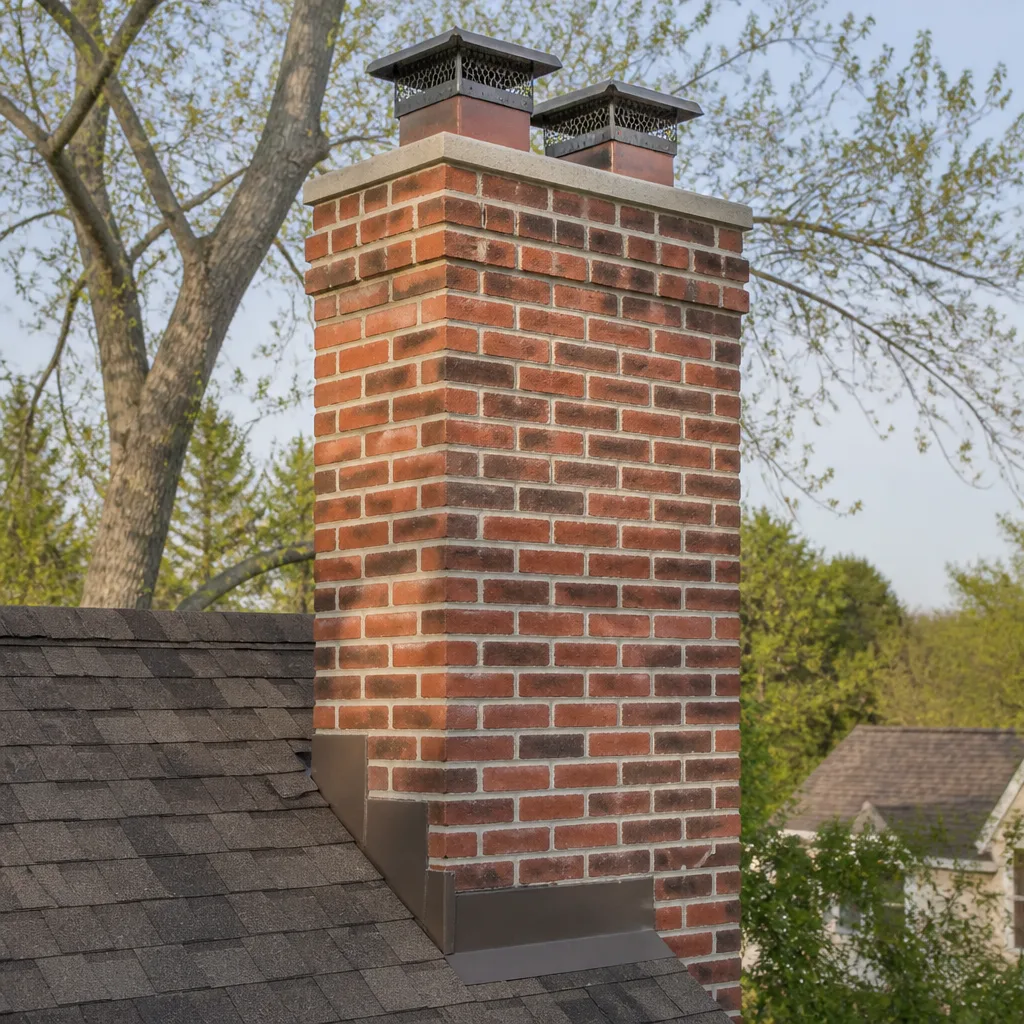 Masonry repair
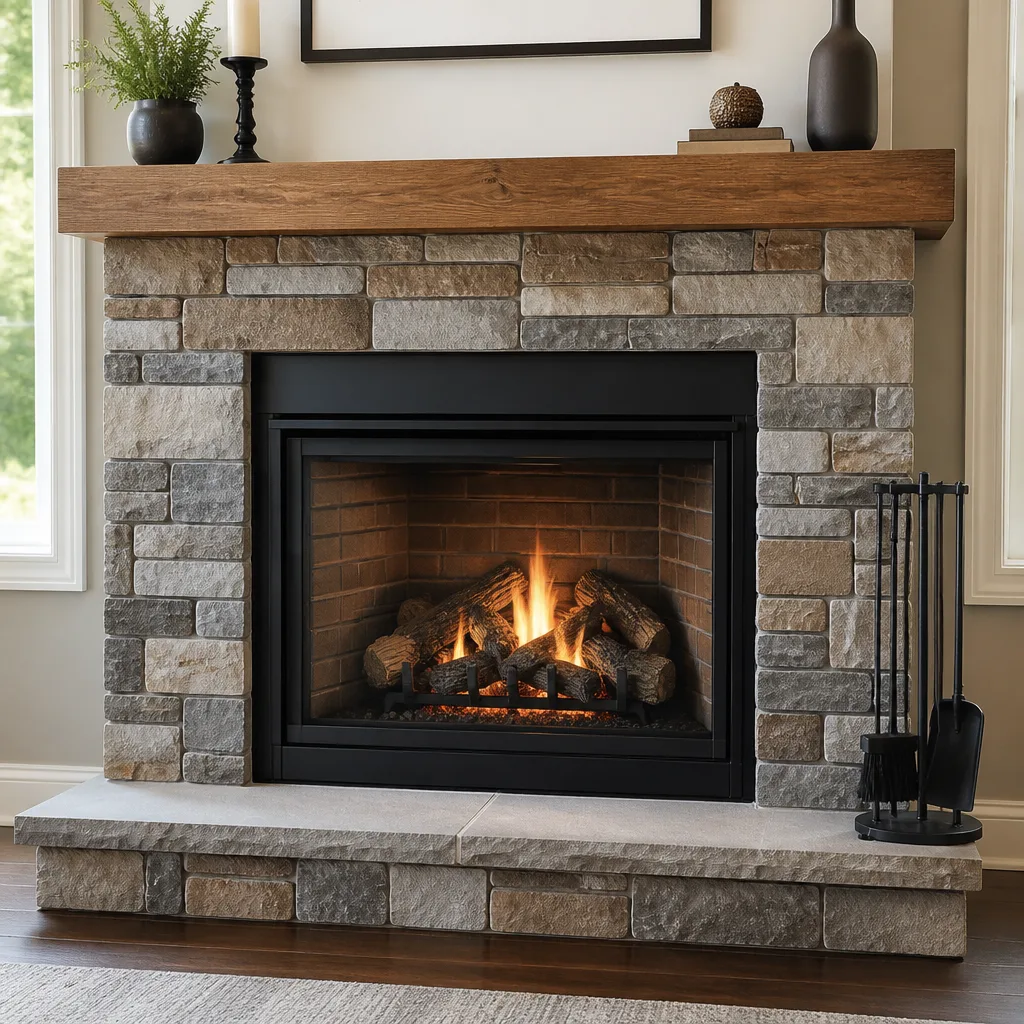 Gas fireplace service
Level 1 sweep and inspection to the NFPA 211 annual standard - flue, crown, cap, and flashing checked and photographed
Chimney sweep logs do not sweep chimneys. They loosen some creosote - which then falls where a brush and vacuum still have to collect it.
Chimney Sweep Troubleshooting in Everett: Common Problems and How to Fix Them
If your fireplace smokes into the room only when the wind picks up, the damper probably isn’t the culprit. In most homes we diagnose, that pattern points to a negative pressure zone created by the home’s own envelope – and no amount of sweeping will solve it. That’s the thing about chimney problems: the symptom you notice and the cause behind it sit in completely different places. In this guide, we walk through the five components where Everett fireplace trouble usually starts, how to tell a draft problem from a blockage problem, and why the older craftsman homes near downtown Everett behave the way they do. You’ll leave with a checklist you can use before you call anyone, so your first conversation with a specialist gets to the real answer fast.
Quick Answer
Most chimney problems in Everett trace to one of five sources: a draft or pressure imbalance, a blockage of creosote or debris, a damaged flue liner, an oversized firebox-to-flue ratio common in older homes, or failing exterior protection like the crown and flashing. Diagnosing which one you have before the sweep matters more than the sweep itself, because the fix for a draft problem is not the fix for a blockage. A trained specialist can read the symptom pattern and narrow it to a specific component in minutes.
Styles & brands we work with
- Sweep & inspection
- Caps & crowns
- Flue relining
- Masonry repair
- Gas fireplace service
Table of Contents
- Draft Problems vs. Blockage Problems: Same Symptoms, Different Fixes
- Why Your Fireplace Smokes Only on Windy Days
- Why Everett Humidity Changes How Creosote Forms
- The Winter Smoke Smell That Points to a Cracked Flue Tile
- Oversized Firebox to Flue Ratio in Everett Craftsman Homes
- Exterior Problems You Can’t See From the Living Room
- Pre-Call Checklist: How to Describe Your Symptoms Accurately
- Step-by-Step: How a Specialist Diagnoses Everett Chimney Problems
Draft Problems vs. Blockage Problems: Same Symptoms, Different Fixes
This is the distinction that saves Everett homeowners the most money and frustration. A draft problem is an airflow issue: the chimney simply can’t pull enough air up and out, or the pressure in the house fights against it. A blockage problem is a physical obstruction: creosote buildup, a fallen masonry chunk, a bird nest, or a collapsed liner section narrowing the flue. Here’s the tricky part – both produce the same three complaints: smoke that won’t go up, a fire that’s slow to light, and smells that linger after the fire’s out.
The reason the difference matters is that these problems get fixed in entirely different ways. Cleaning a blocked flue solves a blockage. But if you have a draft problem, sweeping the chimney changes nothing. You’ll have paid for a cleaning, had a pleasant conversation, and found the same smoke rolling into the room the next time there’s a west wind coming off Puget Sound.
How to tell which one you’re dealing with
- Blockage leans toward: constant symptoms regardless of weather, a visible buildup line above the damper, draft that got worse gradually over a season, or a fire that never quite draws even on calm nights.
- Draft leans toward: symptoms that appear and disappear with weather, smoking that correlates with a nearby exhaust fan, a second fire lit in another appliance on the same day, or a fire that smokes only in certain wind directions.
- Both present: a partially blocked flue reduces the effective cross-section enough that a mild pressure imbalance suddenly becomes a real smoking problem. This is the most common combined scenario we see in Everett homes.
The only way to know for certain is a proper inspection – camera work that shows the lining from inside. If you’ve already had a chimney sweep and the symptoms came back, that’s your strongest hint you’re looking at a draft or structural problem that sweeping can’t reach.
Why Your Fireplace Smokes Only on Windy Days
This is the classic Everett mystery: a fire that burns clean on calm days and backdrafts the moment the weather turns. Homeowners usually blame the damper. In our experience, the damper is almost never the issue. When smoke comes down the chimney on windy days only, you’re looking at one of four pressure-related causes, and each has a different solution.
The four common causes
- Downwash from a nearby roofline or tree. A tall evergreen or a roofline addition upwind of the chimney creates a turbulence pocket that forces air back down the flue. This is common on Everett properties with mature trees near the roof. A taller chimney or a top-mounted wind cap changes the physics of the exhaust column.
- Home envelope pressure imbalance. Tight modern windows and doors are efficient, but they can make a home too tight for a naturally venting chimney. When the furnace or a bath fan kicks on, it pulls air from wherever it can – sometimes down the flue.
- Chimney height relative to the “10-and-3” rule. A chimney should extend at least 3 feet above the roof where it penetrates and at least 2 feet above anything within 10 feet. If it doesn’t, wind eddying over the ridge will spill down the flue.
- Wrong cap or a missing cap. A simple rain cap blocks rain but does nothing for wind. A wind-tested cap does real work.
Notice that not one of these is a cleaning problem. If you call a company that only does sweeping, the best they can do is confirm the flue is clean and tell you it’s “just the wind.” A specialist who handles chimney repair can trace the exact cause and fix it.
Why Everett Humidity Changes How Creosote Forms
Everett’s damp climate doesn’t just make gutters moss over. It changes the way creosote builds inside a chimney. Creosote forms in three stages, and the third stage – glazed, hard, tar-like – is the dangerous one because it ignites at lower temperatures than most homeowners realize. In our experience, that glazed stage forms faster in Everett than in dry, inland climates, and here’s why.
- Cooler flue temperatures. A chimney that stays cool because the outside air is cool and damp doesn’t burn off the volatile compounds in wood smoke as efficiently. Those unburned compounds condense on the flue walls at a faster rate.
- Damp firewood. Wood that sits outside in Everett’s humidity absorbs moisture. Burning wood with too much moisture produces more smoke and less heat – and more creosote deposits as a direct result.
- Shorter burn seasons that start and stop. A fireplace that’s lit intermittently, rather than continuously through a cold season, has more cold starts. Every cold flue is a creosote-collecting surface.
This is why an annual inspection is more important here than the general once-a-year advice. Inspecting for Stage 2 glazed creosote before it hardens into Stage 3 gives a specialist more options for removal. And if the chimney has advanced glazed buildup, a specialized conditioning product like Copperfield’s creosote remover softens the deposits so they can be removed properly instead of being chipped away. If your chimney has gone more than a season without attention, book a Chimney Sweep Everett visit before the next burning season starts.
The Winter Smoke Smell That Points to a Cracked Flue Tile
If your living room smells like a cold fireplace only in winter, and the smell goes away entirely in summer, you might assume it’s just seasonal – a reversible quirk of cold weather and a closed damper. But there’s a specific cause behind this pattern that isn’t seasonal at all: a cracked flue tile leaks combustion gases and residual smoke odor into the chimney’s structural cavity, and the temperature differential drives that odor back into the living space only when the outside air is colder than inside.
How to tell the difference
- Seasonal smell only in winter: the pattern of a crack opening and closing with thermal movement, or an unsealed flue joint that leaks only when the pressure differential is highest.
- Smell after every fire, regardless of season: usually a downdraft at the damper, which is a different (and simpler) fix.
- Smell after the furnace runs: pressure-related, back-pulling chimney air through a gap.
- Smell even with no fires burned: moisture in the flue from rain infiltration through a failed crown or flashing.
A visual inspection from the firebox rarely catches a cracked flue tile. The only way to know is a video camera inspection of the full flue from the top down. If the tiles are cracked or spalling, a liner system like DuraFlex can reline the chimney and restore the seal without rebuilding the masonry. HeatShield is another option for structural restoration where the deterioration hasn’t progressed to a full reline. Both are the kind of professional-grade materials worth asking about specifically – the difference between a proper reline and a “we’ll seal it with high-temp caulk” job is enormous over the life of the chimney.
Oversized Firebox to Flue Ratio in Everett Craftsman Homes
Many of the older craftsman and bungalow homes in the neighborhoods around downtown Everett, north Everett, and Riverside were built with a masonry fireplace designed to look impressive in the living room. Big opening, tall centered surround, lots of visual weight. The problem is that many of those fireboxes are dramatically oversized relative to the flue that vents them.
What happens: a wide firebox opening pulls too much air into the fire, the fire burns hot and fast, and the relatively narrow flue can’t carry that much smoke out fast enough. The result is a fireplace that smokes at the top of the opening and scorches the mantel, but burns cleanly in the center. Homeowners get told “it’s just bad design, there’s nothing you can do.” That’s not accurate. Here’s what a specialist can actually do:
- Add a smoke guard. A steel lip that reduces the effective opening height by a few inches. This is a low-cost fix that resolves the “scorched mantel” symptom that many older Everett homes have been living with for years.
- Lower and tighten the firebox with a fireplace insert. Inserts change the ratio entirely, moving the fire back and controlling the airflow.
- Reduce the effective opening with brick or stone. Sometimes the correct answer is permanent – shrinking the opening to match the flue.
- Resize the flue itself. In some cases an oversized flue relative to the firebox is the actual problem, and relining with a properly sized DuraFlex liner solves the draw.
The important thing is diagnosis before demolition. A specialist reads the smoke pattern, measures the opening, and inspects the flue before recommending anything. If the home is in an older Everett neighborhood and the fireplace “always smoked a little,” that doesn’t mean it has to.
Exterior Problems You Can’t See From the Living Room
Half of what goes wrong with a chimney happens on the outside. And the exterior problems are the ones that eventually create interior problems, from water damage in the firebox to moisture-driven creosote and rusted dampers. When we inspect an Everett chimney, we always check the outside top to bottom. Here’s what we look for.
Exterior checklist
- Crown condition. The concrete cap on top of the chimney must shed water away from the flue. A cracked or shallow crown is a slow drip into the structure during a wet Everett winter.
- Flashing at the roof. Where the chimney meets the roof, the flashing must form a proper seal. Failing flashing is one of the most common causes of ceiling stains that look like roof leaks.
- Brick and mortar joints. Spalled brick and eroded mortar absorb water. Left alone, freeze-thaw cycles in Everett’s occasional cold snaps widen cracks and loosen brick.
- Cap and spark arrestor. A missing or rusted cap allows rain and wildlife into the flue. We’ve pulled everything from squirrel nests to a young raccoon out of a flue that had been uncapped for a season.
- Chimney chase covers. For framed chimney chases, the metal chase cover is a joint that needs annual inspection. Failing chase covers rust through silently and drip into the appliance below.
Materials matter here. Waterproofing products like Gelco and masonry products like Famco are made specifically for this environment – not the general-purpose sealants a painter would use. Choosing the right product for the exposed exterior is the difference between a repair that lasts and one that comes back in eighteen months.
Pre-Call Checklist: How to Describe Your Symptoms Accurately
The single fastest way to get an accurate diagnosis from a chimney specialist is to arrive at the call already knowing how to describe the symptom pattern. The more precisely you can answer a handful of questions, the faster the specialist can point to a probable cause – and the fewer repeat visits you’ll need. Here’s the checklist we recommend running through before you call.
- When does the problem show up? Calm days, windy days, cold snaps, after the furnace runs, immediately after lighting, or all the time. Weather correlation is the single most useful piece of information you can give.
- What exactly comes into the room? Visible smoke, a smoke smell only, a gas smell, or cold air. Each points to a different problem family.
- How long has it been happening? Since we moved in, gradually over the last two seasons, or suddenly starting this winter. Sudden onset points to a structural change – a cracked liner, a fallen debris chunk, or a bird nest.
- What have you already tried? Damper adjustments, cracking a window open, changing the wood – all of these give clues. Tell us what helped and what didn’t.
- When was the last cleaning? Even “we’ve never had it done” is a useful answer. If it’s been more than a year, that pattern matters.
- What burns in the fireplace? Wood, gas logs, or pellets. Each has a different creosote and venting profile.
- Are there appliances nearby? Furnace, dryer, bathroom fan. These cause pressure backdraft that’s often misdiagnosed.
- What does the chimney look like outside? Crumbling mortar, a missing cap, a rusty chase cover, and moss growth are all things you can spot from the ground.
Write those answers down. If you can describe the pattern accurately, the specialist can often narrow the cause down to one or two components before even showing up – which means a faster, more useful visit.
Step-by-Step: How a Specialist Diagnoses Everett Chimney Problems
Every professional diagnosis follows a predictable order, and understanding it helps you evaluate whoever shows up at the door. If the “chimney sweep” starts the conversation by recommending a new liner before anyone has looked inside the flue, that’s your cue to ask questions.
- Interview first. The symptom pattern from the checklist narrows the diagnosis before any equipment is opened. Time spent here saves time everywhere else.
- Exterior inspection. Binoculars from the ground, then up-close if needed. Crown, flashing, brick, cap, joints.
- Firebox and damper inspection. Check the damper operation, look for visible smoke staining, measure the firebox opening.
- Flue inspection with a camera. The full flue from top to bottom. This is where cracked tiles, glazed creosote, spalling brick, and buildup lines get identified – and where a photo report you can actually see and review is the difference between a diagnosis and a guess.
- Draft and pressure testing. Smoke pencil or other pressure tools to confirm whether we’re dealing with a draft issue that’s separate from or in addition to a blockage.
- Written recommendation. A clear explanation of what was found, what it means for safety, what can wait, and what can’t. Nothing is recommended without camera evidence you’ve seen.
Three service tiers – sweep, inspection, and repair – should all live with the same specialist. Splitting them across three phone numbers is the most common way Everett homeowners get a fragmented diagnosis.
Common Mistakes to Avoid
- Blaming the damper for smoking. Ninety percent of “the damper’s bad” calls we get trace to a draft issue. Dampers do fail, but when they do, they usually fail open or jammed – and the symptom pattern looks very different from a draft problem.
- Burning wet firewood to “save money.” Wet wood doesn’t just burn poorly, it deposits more creosote on the flue. In Everett’s humid climate, split wood needs to season indoors or under proper cover long enough to actually reach a useful moisture content. The savings from a $40 bundle of scrap wood are not worth an accelerated creosote problem.
- Ignoring the winter smoke smell. Homeowners write it off as “just how old houses smell in winter.” If the smell only appears when cold air hits the chimney, there’s a good chance you’re looking at a crack that needs camera inspection.
- Hiring a sweep-only service on a repair problem. Cleaning a chimney with a draft problem doesn’t fix the draft. If the symptom pattern matches a pressure issue, you need someone who can do a whole-picture inspection and repair.
- Letting an uncapped chimney go through a season. Rain, wildlife, and moisture all enter an open flue. A properly installed cap is a small cost that prevents major damage.
- Skipping the annual inspection because the chimney “looks fine.” The most dangerous problems in a chimney are invisible from the firebox. Glazed creosote, a shrinking flue cross-section, and a cracked flue tile all hide behind brick and mortar.
- Believing the first bid without seeing the evidence. A camera inspection that you can review is the standard now. If the recommendation doesn’t come with photos you can see, ask for them.
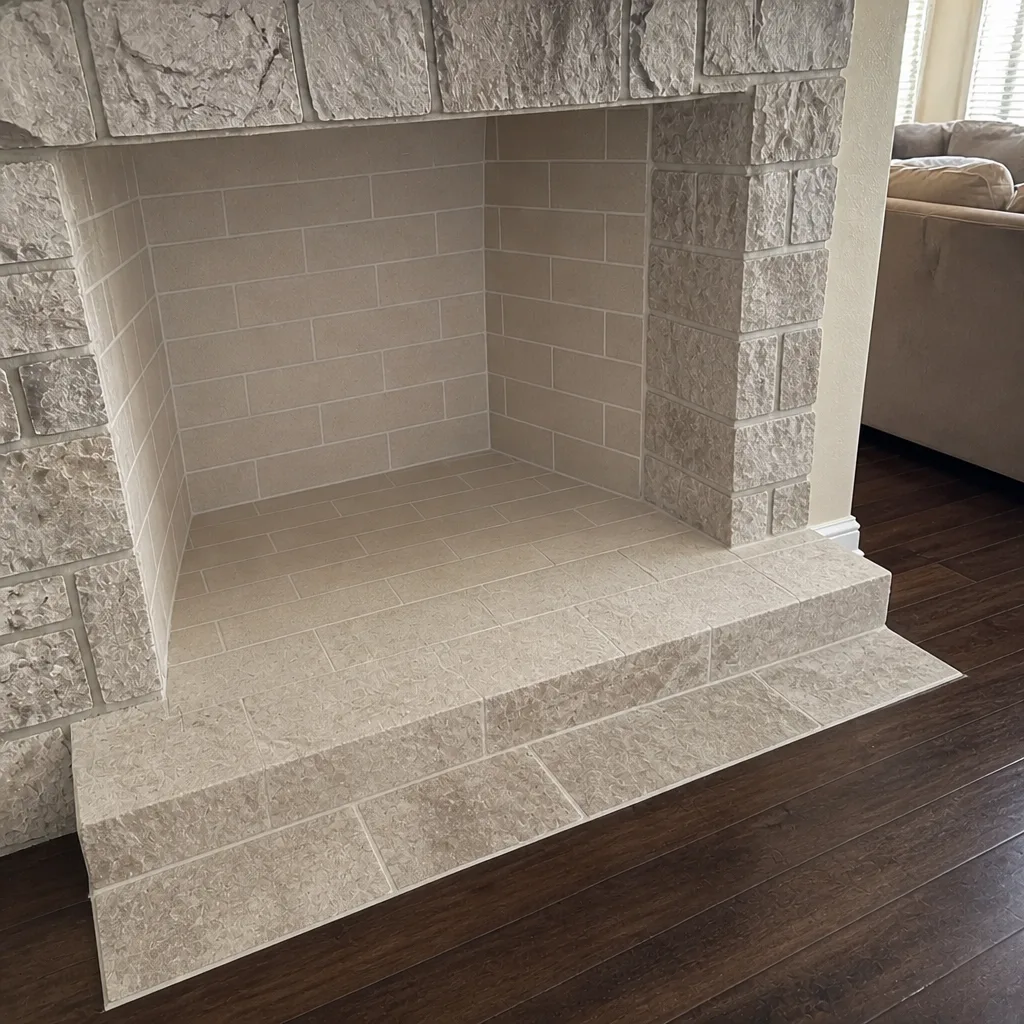
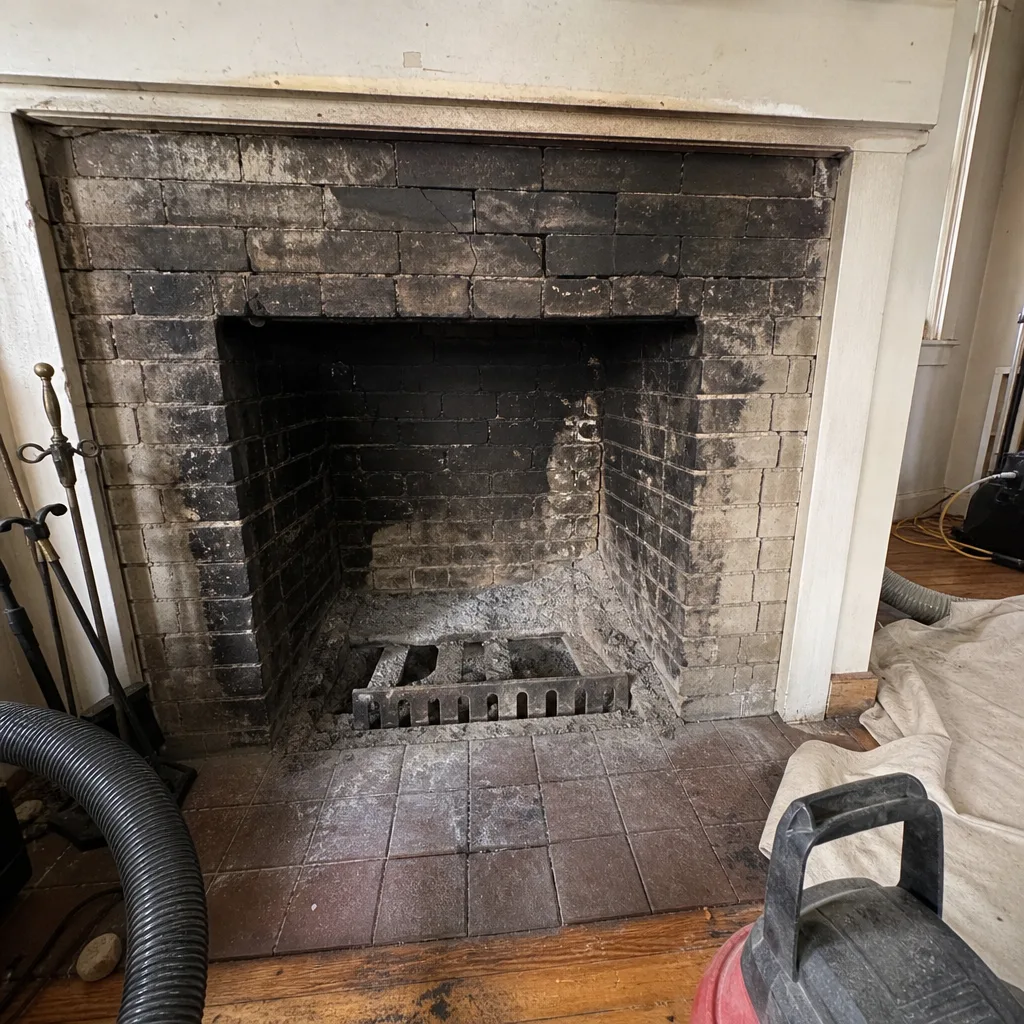
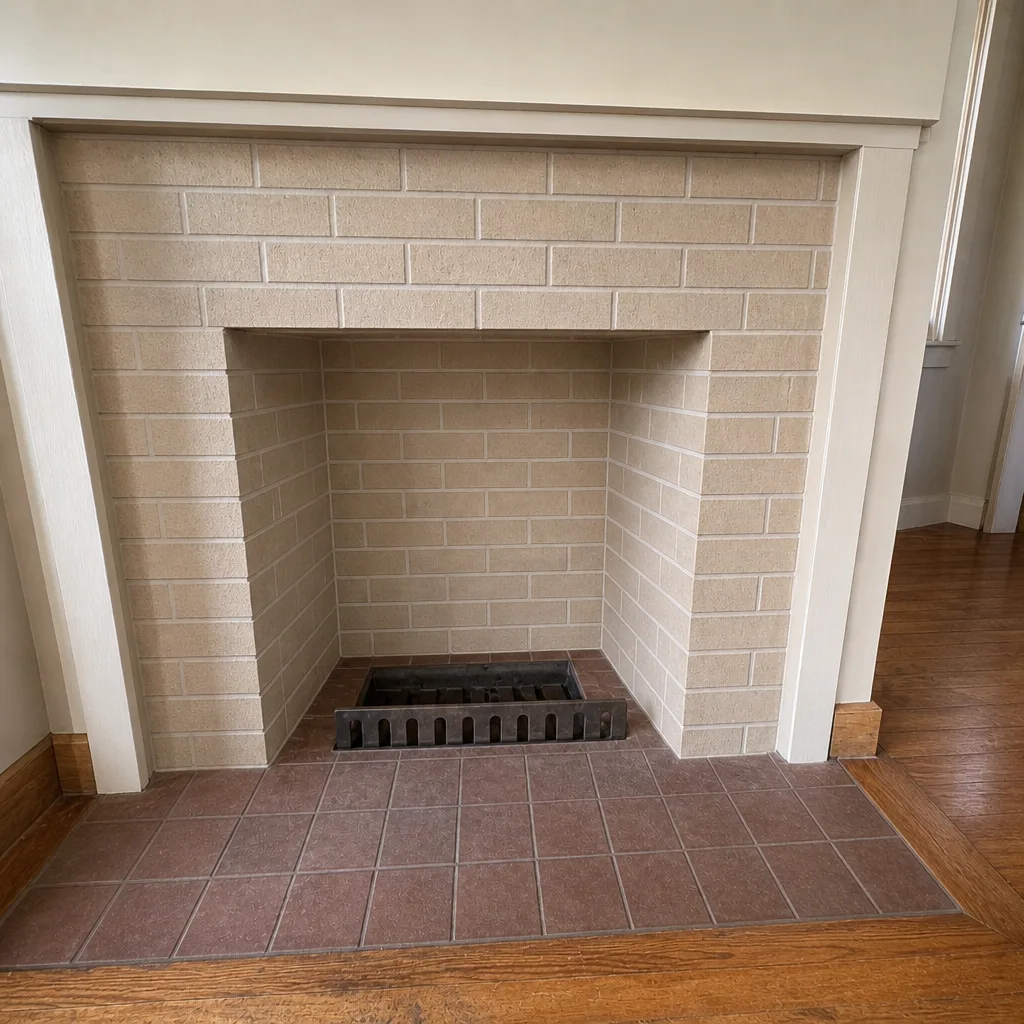
See the difference
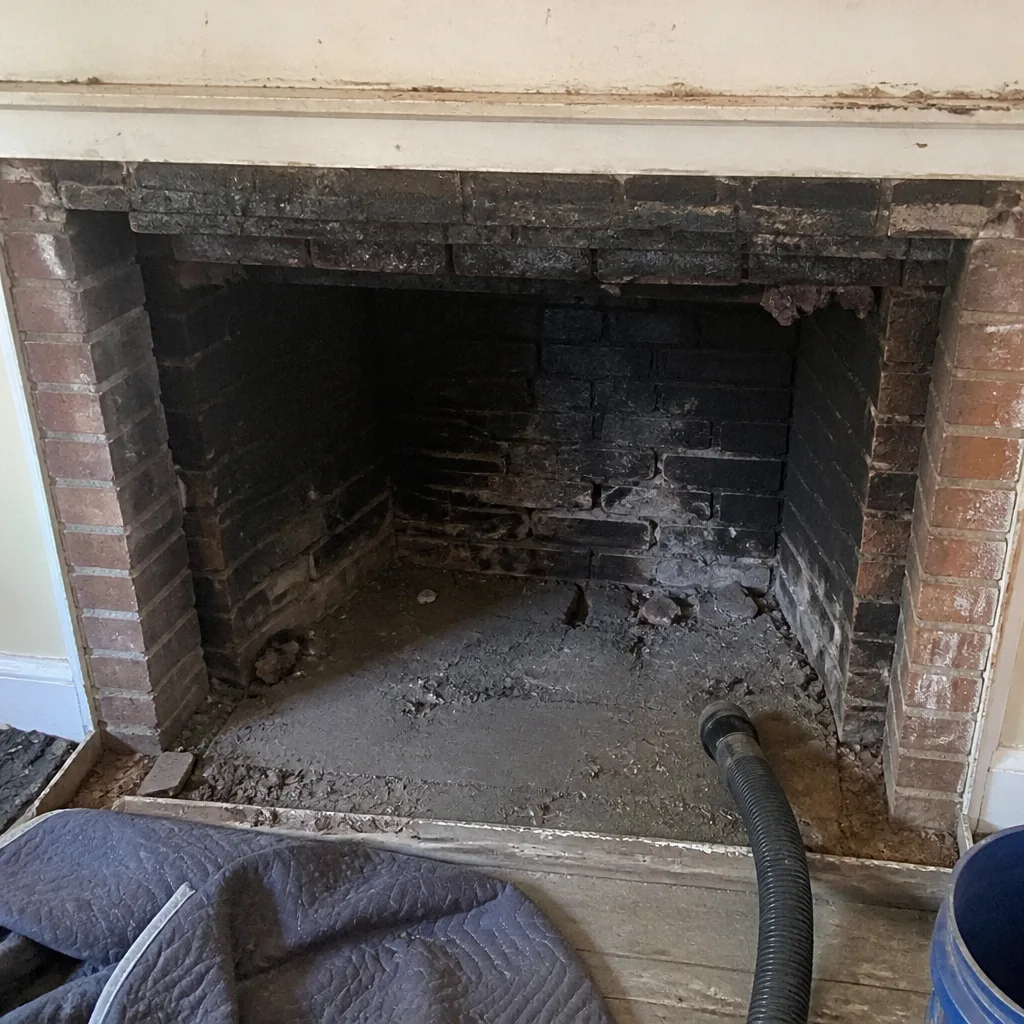 Before
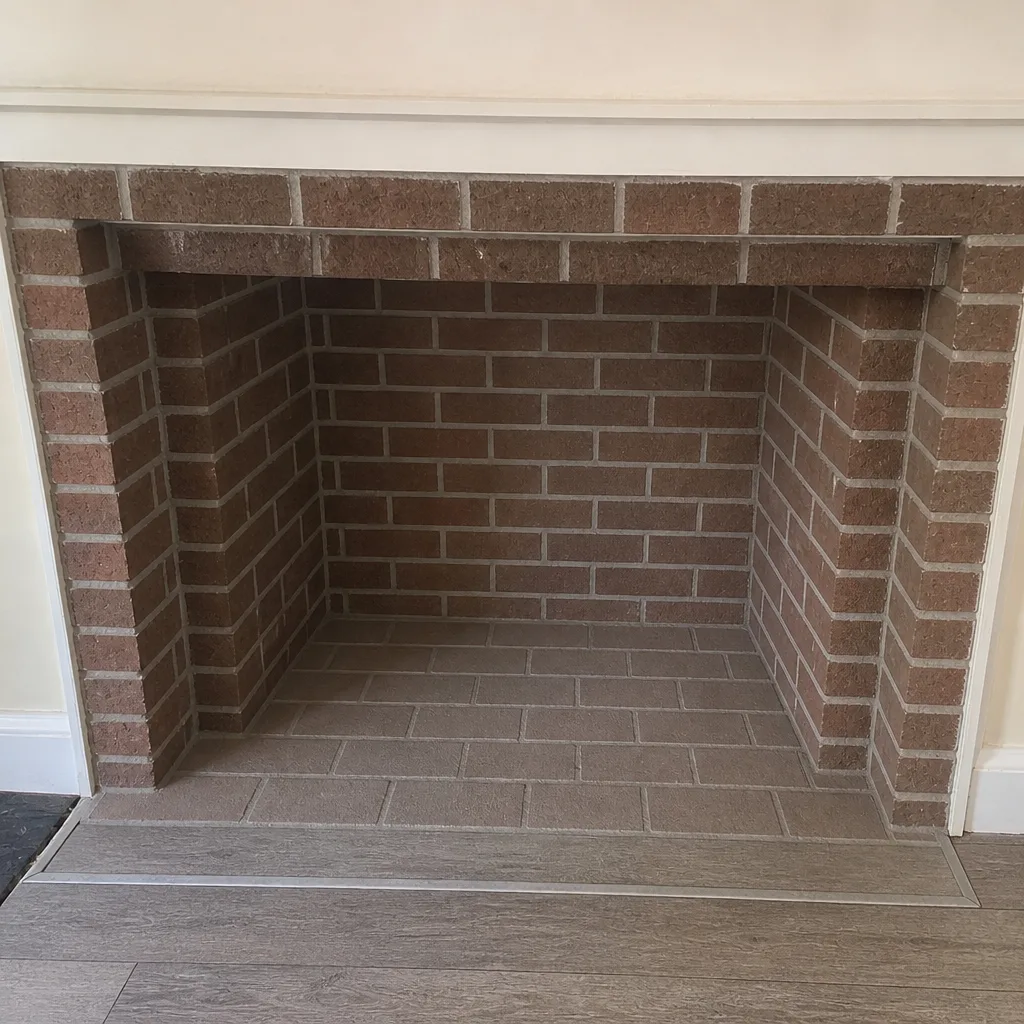 After
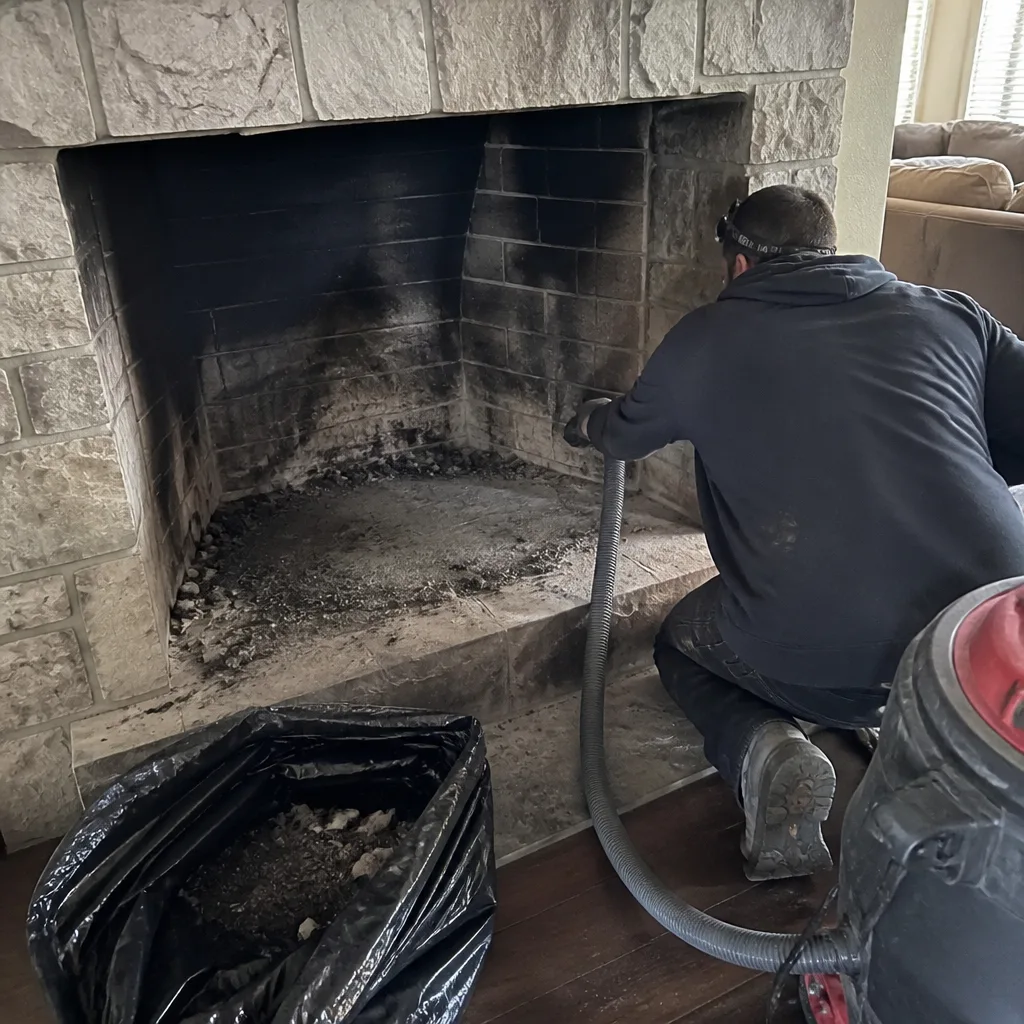 Before
 After
 Before
 After
When to Call a Professional
Some chimney symptoms can wait for a scheduled inspection. A cold fireplace with a slightly sticky damper usually isn’t urgent. But there are clear signals that shouldn’t wait: visible cracked or missing pieces of flue tile, a strong persistent creosote smell even when the fireplace hasn’t been used, smoke that rolls into the room on every burn, a chimney fire that happened even once (often described as a “sounded like a freight train” roar), visible damage to the exterior brick or crown, or a carbon monoxide detector that’s ever gone off in the home. Any of those means the chimney should be inspected and, if needed, repaired before the next fire. If you’re not sure, call anyway. Chimney Sweep Everett offers free estimates in Everett – call (888) 545-1163 to get a specialist out to your property.
Frequently Asked Questions
A typical chimney sweep is priced per job by written estimate after the technician inspects your chimney, since condition and access change the work involved. We don’t quote a flat price before looking because a chimney with heavy glazed buildup isn’t the same job as one with light ash. Call (888) 545-1163 for an exact quote – estimates are free.
Only if the flue is actually compromised. A new liner is the right answer when flue tiles are cracked, spalling, or missing, when the flue cross-section is too small for the appliance, or when an older unlined chimney needs a compliant venting system. It’s the wrong answer if the flue is intact and the problem is a draft or blockage issue. Nothing is recommended without camera evidence you can see. Call (888) 545-1163 to get a proper inspection first.
Most experts recommend annual inspection, with sweeping as needed based on how much you burn. In Everett’s humid climate, we recommend inspecting at least once a year, and a sweep is usually warranted if you’re burning regularly or seeing more than a small amount of buildup on the flue walls. If you’re not sure when it was last done, that’s a strong reason to book an inspection. Call (888) 545-1163 to schedule.
Creosote builds up on the flue walls, and glazed creosote in later stages can ignite – producing a chimney fire that can damage the liner or spread into the structure. Separately, a blocked flue can back combustion gases, including carbon monoxide, into the home. Neither outcome is guaranteed, but both are preventable. The point of cleaning is to keep both risks low. Call (888) 545-1163 for an inspection and a written recommendation.
That pattern usually points to a cracked flue tile or unsealed flue joint that only leaks when thermal pressure differences are highest, which is winter. It’s not a seasonal mystery, it’s a specific structural cause. A video camera inspection is the only way to confirm it. Call (888) 545-1163 to get one scheduled.
Yes, and it’s usually fixable without opening a wall. The four causes – downwash from a tree or roofline, home envelope pressure imbalance, incorrect chimney height, and a missing or wrong cap – each have a targeted fix. The right fix depends on which one is happening, and a draft test confirms it. Call (888) 545-1163 to get it diagnosed.
Yes. Cooler, damper air keeps the flue temperature lower and condenses more unburned smoke compounds onto the flue walls, and damp firewood makes it worse. In our experience, creosote accumulates faster in Everett than in dry inland climates, which is why annual inspection matters. Call (888) 545-1163 to book one.
A sweep is cleaning – physically removing creosote and debris from the flue and firebox. An inspection is a diagnostic evaluation – camera work on the flue, exterior inspection, and a written recommendation on what’s safe, what can wait, and what should be repaired. Chimney Sweep Everett handles both, plus Everett repair work with professional-grade materials from brands like DuraFlex, HeatShield, Copperfield, and Olympia Chimney. No referrals out.
The Bottom Line
Chimney problems almost always fit one of five patterns: draft, blockage, liner damage, firebox-to-flue ratio, or exterior water intrusion. The single most useful thing you can do as an Everett homeowner is to notice the symptom pattern – when it happens, what comes into the room, and what makes it better or worse – before you call. That pattern is what lets a specialist narrow the diagnosis to the right component and skip the guesswork. If anything in this guide matches what’s happening in your home, get an inspection before the next burning season. Our technicians have up to 15 years of experience and work only with professional-grade materials, so the repair is done right the first time. We answer 24/7. Fast dispatch from 7am to 7pm, Sunday through Friday.
Contact
If your fireplace is smoking, smelling wrong, or simply overdue for a look, call (888) 545-1163 for a free estimate. We’ll inspect your chimney, show you what we find on camera, and tell you plainly what can wait and what shouldn’t. If you want to start with cleaning, we can schedule a chimney sweep and inspection together. Prefer to look at the full picture first? Visit Chimney Sweep Everett to see what we cover.
Written by the team at Chimney Sweep Everett.